Disclosure: As an Amazon Associate I earn from qualifying purchases. This post may contain affiliate links at no extra cost to you.
- What is the best water bowl design for cars? Floating-disk splash-proof bowls prevent water sloshing during vehicle motion while providing continuous drinking access.
- Hydration target on road trips: Offer 100ml to 200ml of cool bottled water every 2 to 3 hours during scheduled highway rest breaks.
- Material safety: Choose food-grade silicone or food-grade 304 stainless steel bowls that resist bacterial biofilm buildup.
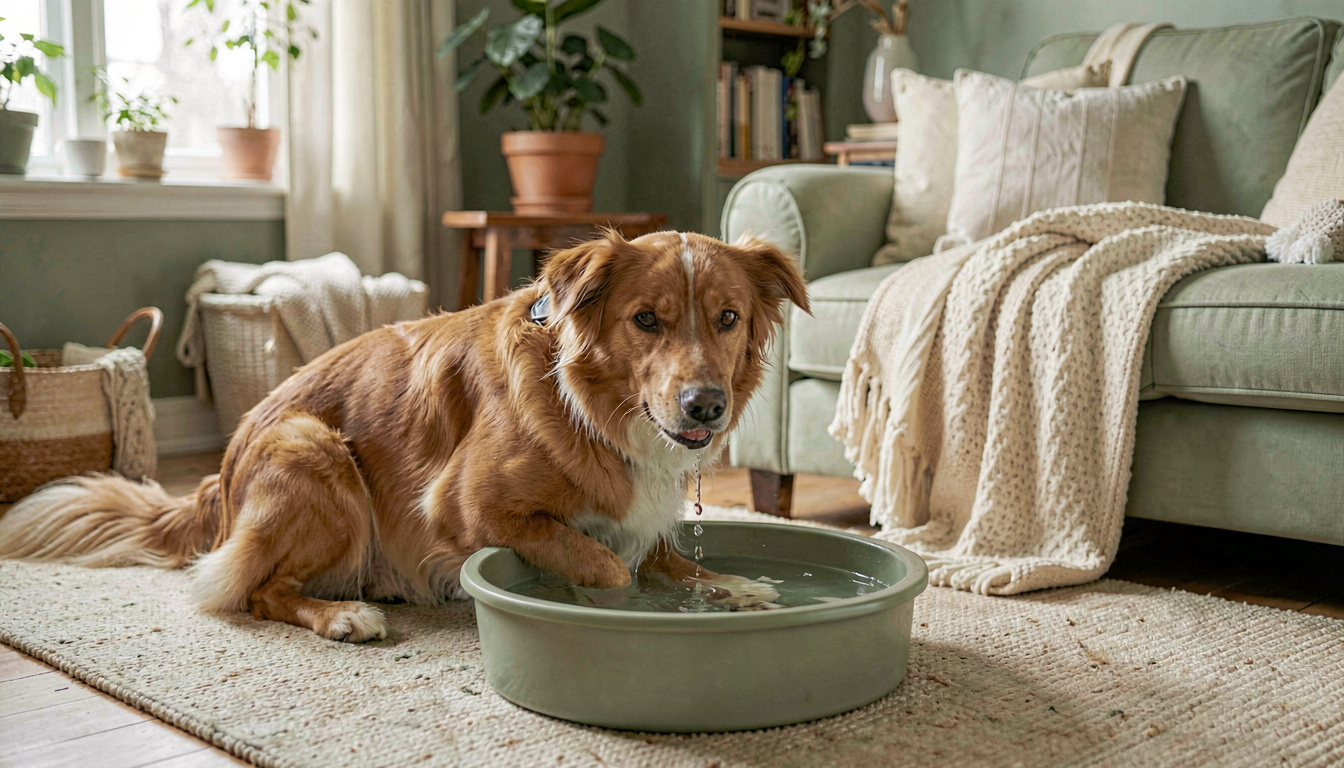
Maintaining adequate hydration during vehicle travel is vital for canine physiological health. Respiratory panting is a dog’s primary thermoregulatory mechanism for heat dissipation, causing rapid fluid loss through exhaled water vapor during warm car rides. Mild dehydration (as little as 5% fluid loss) causes lethargy, thick saliva, dry mucous membranes, and reduced muscle endurance in traveling dogs.
Providing clean water on the road without soaking car seats or footwell carpets requires choosing specialized spill-proof travel bowls. This guide compares floating-disk splashless bowls, collapsible silicone travel cups, squeeze water bottles with integrated troughs, and thermal insulated pet bowls.
| Bowl Design | Spill-Resistance Level | Primary Material | Liquid Capacity | Best Use Case |
|---|---|---|---|---|
| Floating-Disk Splashless | Maximum (Zero-slosh in motion) | BPA-Free ABS Plastic | 1.0L to 1.5L | Continuous hydration on rear floorwell |
| Collapsible Silicone Cup | Low (Stationary use only) | Food-Grade Silicone | 350ml to 750ml | Rest stop leash walks & hiking clips |
| Squeeze Bottle with Trough | High (One-handed operation) | Polypropylene & Silicone | 500ml to 750ml | Quick passenger-administered drinks |
| Double-Wall Thermal Steel | Moderate (Tapered lip option) | 18/8 304 Stainless Steel | 900ml to 1.8L | Keeps water ice-cold on hot summer trips |
What Design Features Make a Dog Water Bowl Spill-Proof?
Engineering a vehicle-safe water bowl involves controlling fluid dynamics against sudden acceleration, braking, and cornering forces. In practice, a standard open plastic bowl filled with 500ml of water will splash across car carpets during a gentle 20 km/h turn, whereas a floating-disk bowl retains 100% of its liquid volume.
Floating Disk Baffle Technology
Floating-disk bowls contain a buoyant internal plate resting on the water surface. A small opening in the center of the disk allows a controlled shallow layer of water to pool above the plate. When a dog licks the center pool, the disk depresses slightly to release more water. When the vehicle sways or bumps, the floating disk acts as a physical baffle that suppresses wave formation and prevents splashing over the bowl’s outer walls.
Inward-Curved Splash Rims and Weighted Base Grids
Secondary spill-prevention features include inward-tapered upper rims that redirect sloshing liquid back into the main reservoir. High-end travel bowls feature wide, low-center-of-gravity bases equipped with silicone non-slip rubber rings or Velcro strips that grip carpeted vehicle floor mats securely.
How Much Water Does a Dog Need During Vehicle Transit?
Canine fluid requirements depend on body weight, ambient temperature, activity level, and respiratory rate. Healthy dogs require approximately 50ml to 70ml of water per kilogram of body weight daily. Use this baseline calculation table for highway planning:
- Small Dogs (5kg – 10kg): 250ml to 500ml total daily volume (50ml rest stop offers).
- Medium Dogs (11kg – 25kg): 600ml to 1.5L total daily volume (150ml rest stop offers).
- Large Dogs (26kg – 45kg): 1.5L to 2.5L total daily volume (250ml rest stop offers).
Step 1: How to Select Between Silicone Collapsible and Splash-Free Rim Bowls
Choose the correct travel bowl style by evaluating your trip activity type:
- For In-Motion Vehicle Use: Select a floating-disk splash-proof bowl with a non-slip silicone base ring. Place the bowl flat on the rear seat floorwell mat.
- For Rest Stop Walks & Hikes: Select a collapsible food-grade silicone bowl with an integrated aluminum carabiner clip. Clip the collapsed bowl to your travel tote bag or leash handle.
- For Extreme Summer Heat: Select a double-wall vacuum-insulated stainless steel bowl that keeps water cold for up to 24 hours, preventing bacteria growth in warm vehicle cabins.
Step 2: How to Sanitize Travel Water Containers Between Trips
Neglecting travel bowl hygiene allows slime layers (bacterial biofilm) to accumulate on interior plastic surfaces. Maintain hygienic water gear using this three-step cleaning routine:
- Disassemble Floating Disk Assembly: Snap open the floating disk housing to separate the internal foam float from the plastic shell.
- Wash with Hot Soap Solution: Wash all bowl components thoroughly using hot water and mild anti-bacterial dish soap. Use a bottle brush to scrub inside narrow rim crevices.
- Air Dry Completely: Allow all parts to air dry completely on a drying rack before reassembling to prevent mildew trapped within internal floats.
What Are the Common Hydration Management Mistakes?
Avoid these widespread hydration errors during vehicle journeys:
Allowing a hot, thirsty dog to gulp massive quantities of cold water (over 500ml in under 60 seconds) immediately after rest stop exercise can trigger acute gastric distress or vomiting. Offer small, controlled portions (150ml) every 10 minutes until thirst is satisfied.
Another frequent error is leaving water bowls filled to the absolute brim inside moving vehicles. Even high-efficiency floating-disk bowls can splash if overfilled past their maximum fill-line indicator. Always fill travel bowls to 50% capacity during motion.
What Do Veterinary Organizations Recommend for Travel Hydration?
Leading veterinary and animal welfare institutions provide clear guidance on fluid maintenance during travel.
Managing Hydration for Senior Dogs and Brachycephalic Breeds
Senior dogs with joint stiffness and brachycephalic (flat-faced) breeds such as Bulldogs and Pugs face unique challenges when drinking in vehicles. Brachycephalic breeds swallow large amounts of air when drinking from deep narrow bowls, increasing flatulence and gastric bloat risk. For flat-faced dogs, select wide, shallow floating-disk bowls that allow easy muzzle access without submerging nostrils. For senior dogs with neck arthritis, elevate the travel water bowl 10cm using a non-slip foam riser block on the car floorwell.
Electrolyte and Fluid Balance Considerations
During multi-day summer road trips, dogs lost sodium and potassium ions through heavy panting salivation. Veterinary specialists advise against offering commercial human electrolyte drinks containing high sugar or artificial sweeteners. If additional hydration support is needed during extreme heat travel, mix unflavored, sodium-balanced veterinary electrolyte powder or plain unseasoned bone broth into your dog’s travel water bowl.
Cleaning Travel Water Containers on Extended Trips
When traveling for multiple days, wash your dog’s travel water bowl every evening at your hotel or campsite using hot water and mild soap. Rinse thoroughly with clean drinking water and dry with a clean paper towel to prevent bacterial slime accumulation on silicone or plastic surfaces.
Limitations and Tradeoffs of Travel Water Bowls
While floating-disk splashless bowls solve vehicle water sloshing, functional tradeoffs exist. The multi-piece floating disk assembly requires complete disassembly and scrubbing every week; if neglected, trapped moisture inside interior floats can breed black mold. Additionally, large 1.5-liter thermal steel bowls add significant weight to travel totes and require flat floorwell space to prevent tipping during aggressive cornering.
Frequently Asked Questions
How do splash-proof dog water bowls work in moving cars?
Splash-proof travel water bowls use a floating interior disk with a small center drinking reservoir or tapered inward-curved splash rims. As the vehicle turns, accelerates, or hits road bumps, the floating disk acts as a baffle that restricts liquid movement, preventing water from sloshing over the sides onto car floor mats.
How much water does a dog need during a vehicle road trip?
As a general veterinary rule, dogs require approximately 50ml to 70ml of fresh water per kilogram of body weight daily. During travel, offer 100ml to 200ml of fresh water every 2 to 3 hours at rest stops, increasing frequency during warm summer trips.
Are silicone collapsible travel bowls safe and hygienic for dogs?
Yes, high-quality collapsible bowls made from 100% food-grade silicone (BPA-free and phthalate-free) are safe, non-toxic, and durable. However, silicone bowls must be washed with warm soapy water and thoroughly dried between trips to prevent bacterial biofilm and mold accumulation in fold creases.
Can I leave a water bowl filled inside a moving car’s rear seat?
Yes, if using a floating-disk splash-proof bowl placed flat on a non-slip floor mat in the rear footwell. However, avoid filling bowls to full capacity while driving; fill to approximately 50% capacity to ensure zero sloshing during sharp braking maneuvers.
How do I keep travel drinking water cool on long summer drives?
Store bottled tap water brought from home in an insulated thermal cooler bag with ice packs. Avoid leaving plastic water containers in direct sunlight inside parked vehicles, as heat degrades plastic and warms drinking water beyond palatable temperatures.
Related Reading
- dog travel checklist road trip packing guide
- how to keep dog comfortable on long car rides
- signs of overheating in dogs and emergency steps
- how to warm a hypothermic dog safely
- Labrador comfort guide: travel and hydration needs
Sources and Further Reading
The guidance in this article draws on published material from the following organizations:
- Pet safety in vehicles — American Veterinary Medical Association
- Walking or running with your dog — American Veterinary Medical Association
Last updated: August 22, 2026