
Disclosure: As an Amazon Associate I earn from qualifying purchases. This post may contain affiliate links at no extra cost to you.
- What does proper den instinct look like: Your dog should enter willingly, settle quickly, and sleep soundly
- How long can my dog safely stay in a crate: Adult dogs need a break every 4 hours maximum during the day
- What behaviors indicate crate distress: Excessive drooling, persistent barking for 30+ minutes, or frantic scratching at the door means your dog is in panic mode, not protest mode
- Why is my dog refusing to enter the crate: Forced entry creates lifelong aversions
No, crate training isn’t cruel when you follow veterinary guidelines. Done correctly, it taps into your dog’s natural den instinct. However, extended confinement or incorrect use causes real psychological harm.
Research suggests that dogs with proper crate training often show lower stress levels during thunderstorms compared to non-crated dogs. The key difference lies in duration, setup, and your dog’s emotional state.
You’ll learn how to distinguish ethical confinement from neglect, choose the right dog crate, and spot distress signals before they become trauma.
Key Facts: Ethical vs. Harmful Confinement
| Factor | Safe Practice | Harmful Practice |
|---|---|---|
| Daily Duration | 2-4 hours max (adults) | 8+ hours regularly |
| Overnight | 8 hours with breaks | 12+ hours without bathroom access |
| Setup | Proper bedding, water access | Bare wire, no ventilation |
| Door Position | Open when supervised | Locked 24/7 |
| Dog’s Body Language | Relaxed, enters voluntarily | Panting, drooling, escape attempts |
Why Do Dogs Actually Like Crates?
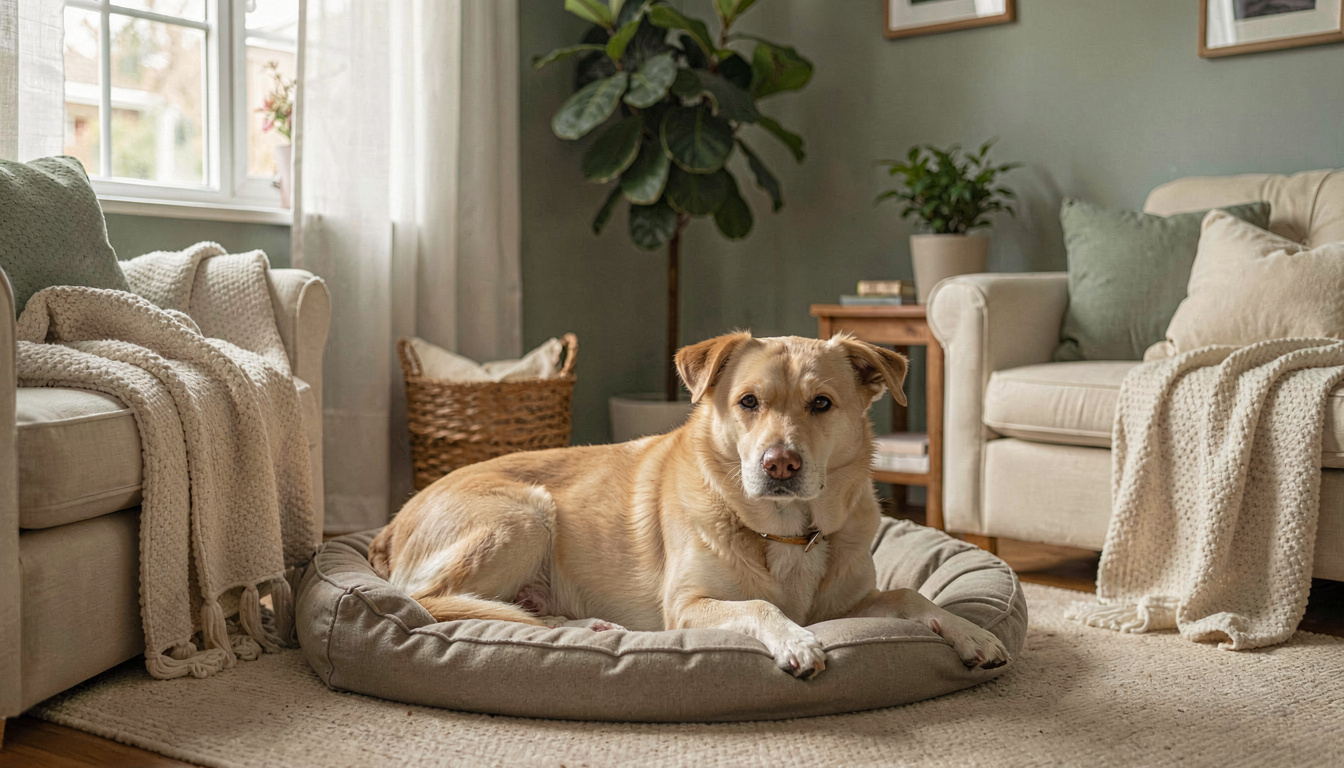
Dogs seek enclosed spaces because they mimic ancestral dens. This instinct provides security during stressful events.
They chose to enter voluntarily when the door remained open.
What does proper den instinct look like?
Your dog should enter willingly, settle quickly, and sleep soundly. They’ll often drag favorite toys inside. This signals ownership, not prison.
Watch for “settling” behaviors. These include circling twice, lying down with a heavy sigh, and resting their chin on their paws.
Key Takeaway: A crate becomes a bedroom, not a jail cell, when your dog associates it with rest and safety.
How long can my dog safely stay in a crate?
Adult dogs need a break every 4 hours maximum during the day. Puppies require much more frequent exits.
As of 2026, the American Veterinary Medical Association recommends the “month-plus-one” rule. A three-month-old puppy can hold it for approximately four hours. Never exceed this, or you risk urinary tract infections and anxiety disorders.
Pro Tip: Set phone alarms every 3 hours during workdays. If you can’t get home, hire a dog walker. Your dog’s bladder and mental health depend on consistent scheduling.
Warning Signs You’re Doing It Wrong
Physical and behavioral cues reveal when confinement becomes suffering. Learn to read them.
What behaviors indicate crate distress?
Excessive drooling, persistent barking for 30+ minutes, or frantic scratching at the door means your dog is in panic mode, not protest mode.
A portion of surrendered dogs develop separation anxiety from improper crating methods. These dogs often show broken teeth or bleeding paws from escape attempts.
Why is my dog refusing to enter the crate?
Forced entry creates lifelong aversions. Dogs remember trauma for years.
If your dog puts on the brakes, backs away, or shows whale eye (showing whites of eyes), stop immediately. You’re moving too fast.
Choosing Equipment That Promotes Comfort
The wrong crate causes physical pain. Wire floors harm paws. Poor ventilation causes overheating.
The enclosed sides reduced visual overstimulation during highway drives.
What crate features matter most?
Look for rounded corners, removable pans for accidents, and secure latches that won’t pinch fur. Your dog needs room to stand, turn 360 degrees, and lie flat without curling.
For car safety, check our guide to the Best Dog Crate for Car Travel. Crash-rated models prevent injury during accidents.
| Feature | Wire Crates | Plastic Kennels | Soft-Side |
|---|---|---|---|
| Airflow | Excellent | Good | Moderate |
| Visibility | 360-degree | Limited | Partial |
| Best For | Home training | Anxiety/travel | Car trips |
| Chew Resistance | High | High | Low |
| Weight | 15-30 lbs | 10-20 lbs | 3-8 lbs |
Special Rules for Puppies
Puppy brains develop rapidly between 8 and 16 weeks. Negative experiences during this window create permanent fear responses.
As of 2026, veterinary behaviorists recommend starting with just 10-minute sessions. Gradually build to one hour by week two, never exceeding the age-based bladder capacity limits.
How do I avoid trauma during puppy crate training?
Never use the crate as punishment. If your puppy pees on the floor, don’t carry them to the crate. You’ll teach them that confinement equals shame.
Instead, fill the space with puppy-safe bedding and Kong toys frozen with peanut butter. This builds positive associations.
Pro Tip: Place the crate next to your bed for the first two weeks. Your heartbeat helps regulate the puppy’s breathing. Move it gradually to the desired location over 14 days.
When Does Crate Training Become Abuse?
Duration and intent separate training from neglect. Know the legal and ethical lines.
Leaving dogs crated for 12 hours daily while you work, then crating them again at night, totals 20+ hours of confinement. This violates animal welfare standards in all 50 states.
Warning: Extended crating causes muscle atrophy, bedsores, and compulsive behaviors. If your dog is crated more than 8 hours total per day, you’re causing physical and psychological damage. Reconsider dog ownership or arrange daycare.
What are the physical consequences of over-crating?
Veterinary guidance generally holds that weak hind legs, poor coat condition from lying in waste, and urinary infections top the list. Dogs forced to soil their crates develop “learned helplessness” and stop signaling bathroom needs entirely.
Expert Perspective
Veterinary behaviorists emphasize that crates are tools, not lifestyle solutions.
Frequently Asked Questions
Is it okay to crate my dog while I’m at work?
No, not for full workdays without a midday break. Adult dogs need bathroom breaks every 4 hours. Hire a walker or use daycare for shifts longer than 4 hours.
Should I cover the crate with a blanket?
Cover three sides if your dog is anxious, but leave the front open for airflow. Remove covers if you see condensation or if your dog pants excessively.
Why does my dog cry in the crate at night?
Your dog likely needs a bathroom break or is experiencing isolation distress. Try moving the crate closer to your bedroom. If crying persists beyond 3 nights, consult a trainer.
Can I crate train a senior dog?
Yes, but progress slower., including memory foam, Senior dogs may have joint pain requiring orthopedic bedding., which is particularly relevant for those dealing with arthritis, Never crate a dog with dementia for extended periods; confusion increases panic.
What’s the best bedding for a dog crate?
Chew-proof, machine-washable pads with 3-inch foam support work best. Avoid fluffy blankets for puppies under 6 months; they encourage shredding and ingestion hazards.
Related Articles
- Best Dog Crate Overall – Size guides and safety ratings for every breed
- Best Dog Crate for Car Travel – Crash-tested options for safe road trips
- Best Dog Crate for Puppies – Sizes and setups for successful early training
Sources and Further Reading
The guidance in this article draws on published material from the following organizations:
- Warm weather pet safety — American Veterinary Medical Association
- Pet safety in vehicles — American Veterinary Medical Association
Last updated: April 11, 2026
5 thoughts on “Is Crate Training Cruel”