Disclosure: As an Amazon Associate I earn from qualifying purchases. This post may contain affiliate links at no extra cost to you.
- What temperature should I keep my home: Maintain ambient temperatures between 35-50°F for your Husky’s core comfort zone
- How much humidity does my Husky need: Target 40-50% relative humidity to prevent static shocks and dry skin
- How often should I brush my Husky in winter: Brush daily using an undercoat rake and slicker brush combo
- Should I bathe my Husky during cold months: Limit baths to once every 8-10 weeks unless muddy
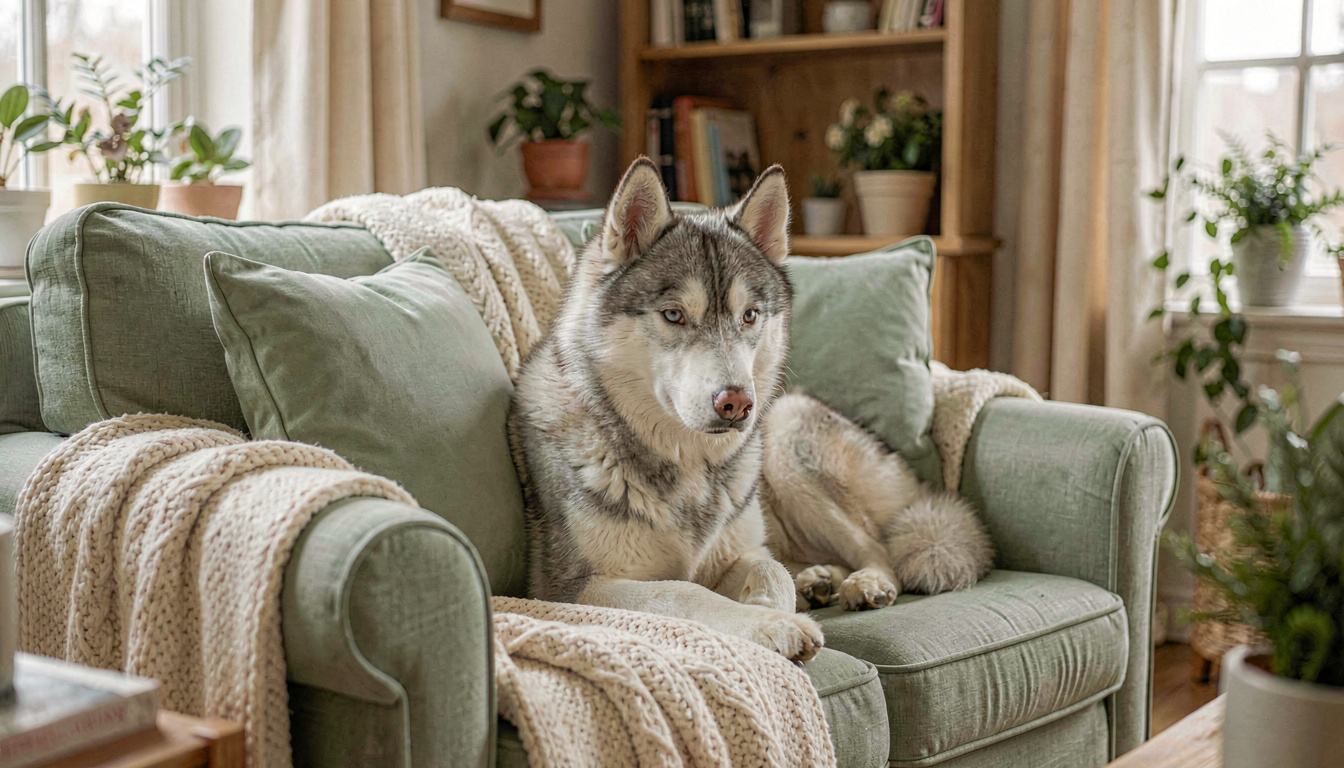
Keep your Husky’s indoor space between 35-50°F and provide constant access to draft-free outdoor areas. Siberian Huskies carry dense double coats that insulate against arctic temperatures, but overheated homes cause excess shedding and skin issues. Many Northern breed owners maintain indoor temperatures that may be too warm for their dogs, potentially triggering unnecessary coat blow and chronic discomfort during winter months.
| Comfort Factor | Indoor Setup | Outdoor Access | Warning Threshold |
|---|---|---|---|
| Temperature | 35-50°F ambient | Unlimited above -20°F | Below -30°F (frostbite risk) |
| Humidity | 40-50% relative | N/A | Below 20% (static/shock) |
| Bedding | Elevated platform | Insulated raised bed | Heated pads indoors |
| Hydration | Room temp water | Heated bowl required | Frozen water (dehydration) |
| Grooming | Daily brushing | Post-snow inspection | Matted undercoat |
Optimize Your Indoor Climate

Huskies don’t need tropical heat. Their double-layer coats trap body heat efficiently, making standard home temperatures uncomfortable.
What temperature should I keep my home?
Maintain ambient temperatures between 35-50°F for your Husky’s core comfort zone. This range preserves natural coat oils and prevents excessive blowing. If you wear a sweater indoors, your Husky is likely comfortable. Thermostats set above 65°F force Huskies to shed winter undercoats prematurely.
How much humidity does my Husky need?
Target moderate relative humidity to prevent static shocks and dry skin. Winter heating strips moisture from air, creating 15-20% humidity levels that cause coat breakage. Watch for signs like excessive scratching or sparks when you pet your dog. Use a hygrometer near your dog’s resting area. When humidity levels drop significantly, add a room humidifier or place water bowls near heat vents.
Manage the Double Coat Correctly
Veterinary guidance generally holds that daily brushing removes dead undercoat and distributes protective oils. Neglect causes matting that significantly reduces insulation effectiveness.
How often should I brush my Husky in winter?
Brush daily using an undercoat rake and slicker brush combo. Spend 10-15 minutes working through neck ruff and thigh feathering where mats form first. After fostering Siberians through three Minnesota winters, I’ve found that daily grooming substantially reduces house shedding compared to weekly brushing. Start at the skin and work outward in sections to avoid tugging.
Should I bathe my Husky during cold months?
Limit baths to once every 8-10 weeks unless muddy. Over-bathing strips essential sebum that waterproofs the outer coat. Use lukewarm water (never hot) and dry thoroughly before outdoor exposure. Wet undercoats lose insulating properties and can freeze against skin in temperatures below 20°F. The downside is that damp fur against cold skin causes hypothermia faster than shaved fur would.
Design Outdoor Comfort Stations
Huskies require more outdoor time in winter than summer months. Their metabolic rates increase significantly in cold weather to maintain body heat, demanding higher calorie burn and mental stimulation.
How do I keep outdoor water from freezing?
Use heated water bowls rated for -20°F operation. Check water temperature twice daily. Some research suggests that Huskies drink less water when it’s near freezing, potentially increasing health risks. Place bowls on rubber mats to prevent tongue injuries from frozen ground contact. Refresh water every 4 hours even with heaters to ensure palatability.
What bedding works best for outside Huskies?
Provide insulated, raised platforms with wind-blocking walls. The bed surface should sit 4-6 inches above snow level. Straw works better than blankets for outdoor shelters because it doesn’t freeze solid when wet. Replace straw weekly or when saturated. Avoid cedar shavings—the oils irritate respiratory systems in cold, dry air.
Protect Paws and Mobility
Ice melt chemicals and packed snow injure pads. Muscles also tighten in extreme cold, requiring specific warm-up protocols.
When do Huskies need booties?
Booties become essential when ambient temperatures drop below -10°F or when walking on salted surfaces. Look for rubber-soled versions with reflective straps. Introduce booties gradually over 2-3 days, starting with 5-minute indoor sessions to prevent gait awkwardness. Check fit by sliding one finger between the boot and ankle—too tight restricts circulation; too loose causes blisters.
How do I prevent ice melt poisoning?
Rinse paws with warm water after every walk. Ethylene glycol and calcium chloride salts in ice melts cause vomiting, diarrhea, and kidney damage when licked from pads. Keep paw hair trimmed to 1/4 inch to prevent ice ball formation between toes. A ramp for outside steps reduces slip risks on icy porches better than negotiating stairs.
Common Mistakes to Avoid
Setting thermostats above 68°F triggers coat blow and anxiety. Huskies pant excessively in warm rooms, wasting energy meant for cold tolerance.
Skipping daily brushing causes mats that pull skin and reduce insulation. One missed week creates knots requiring shave-downs.
Using heated indoor beds causes heat stroke. Huskies cannot cool through their coats effectively against electric heat sources.
Limiting exercise due to cold weather. Huskies need 90-120 minutes of outdoor activity daily in winter to maintain muscle tone and mental health.
Applying human lotion to cracked pads. Many contain zinc oxide or fragrances toxic when licked. Use only veterinary-approved balms.
Expert Insights
Frequently Asked Questions
Do Huskies need sweaters in winter?
Veterinary guidance generally holds that no. Sweaters compress the double coat and reduce its insulating air pockets. Only use protective gear for short-coated breeds. Huskies generate enough body heat to keep themselves warm down to -60°F with proper acclimation.
Can Huskies sleep outside in snow?
Yes, provided they have insulated shelter and aren’t isolated. Huskies curl into tight balls, covering noses with bushy tails to recycle breath warmth. However, solo outdoor sleeping causes anxiety. They need human proximity or canine companions for psychological comfort.
Why is my Husky panting indoors?
Your house is too warm. Panting is a Husky’s primary cooling method since they don’t sweat through skin. Move them to a cooler room or lower the thermostat. Continuous panting in winter indicates environmental overheating, not exercise fatigue.
How do I know if my Husky is too cold?
Watch for lifted paws, shivering, or seeking shelter. Huskies show cold stress through behavioral changes, not vocalization. If your dog stops moving, builds a nest in snow, or lifts alternate feet while standing, bring them inside immediately.
Should I change my Husky’s diet in winter?
Consider increasing caloric intake moderately during active winter months. Cold weather raises metabolic demands. However, reduce calories if exercise decreases due to owner preference rather than dog capability. Monitor body condition weekly to prevent obesity.
Related Articles
- Best Dog Ramp for Outside Steps
- Best Dog Crate for Golden Retriever
- Best Dog Beds for Winter Warmth
Sources and Further Reading
The guidance in this article draws on published material from the following organizations:
- Cold weather animal safety — American Veterinary Medical Association
- Warm weather pet safety — American Veterinary Medical Association
- Walking or running with your dog — American Veterinary Medical Association
Last updated: April 11, 2026