Disclosure: As an Amazon Associate I earn from qualifying purchases. This post may contain affiliate links at no extra cost to you.
- Is pacing before sleep normal: Yes, pacing before sleep is completely normal for most dogs
- How long should pre-sleep pacing last: Healthy dogs pace for 30 to 90 seconds before settling
- What health issues cause excessive pacing: Arthritis, dementia, and neurological disorders cause excessive pacing that disrupts sleep
- Why can’t my senior dog settle: Senior dogs struggle to settle when their joints hurt or their cognitive function declines
Why Dogs Pace Before Sleep
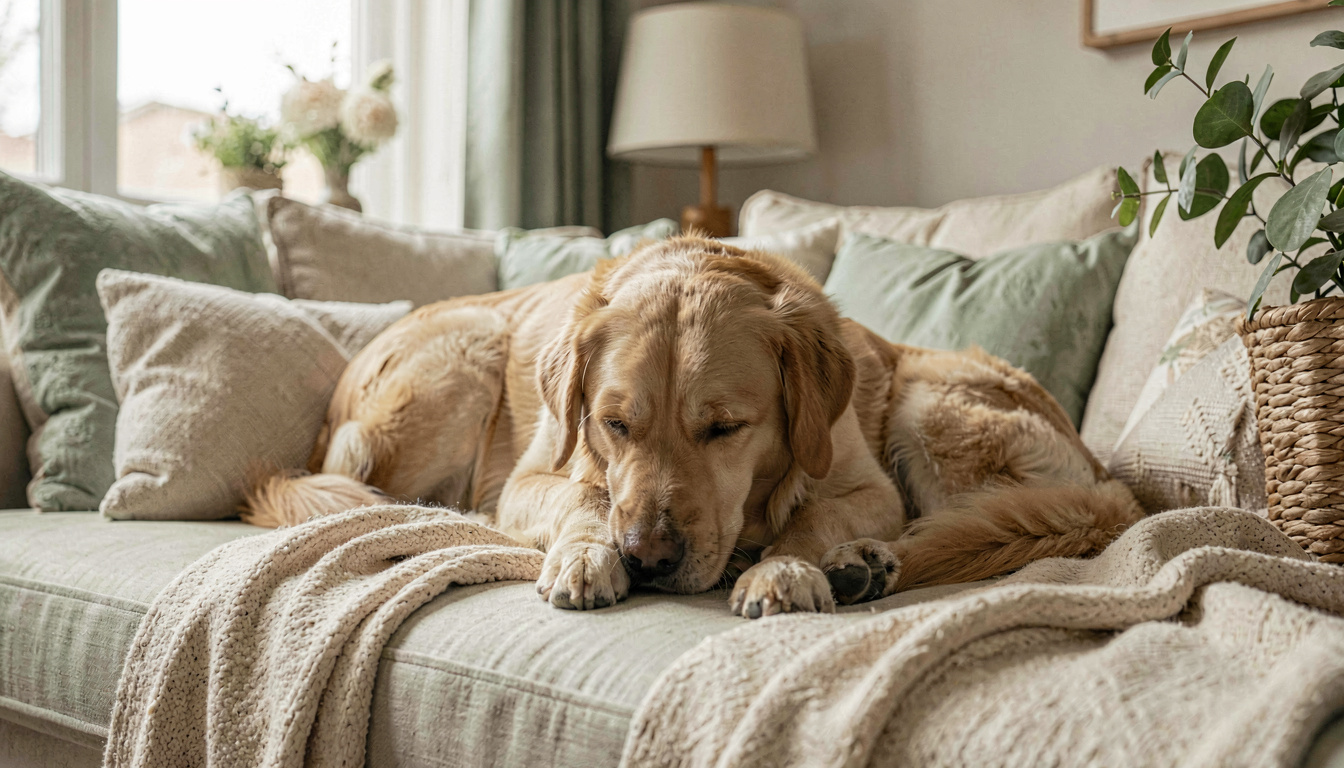
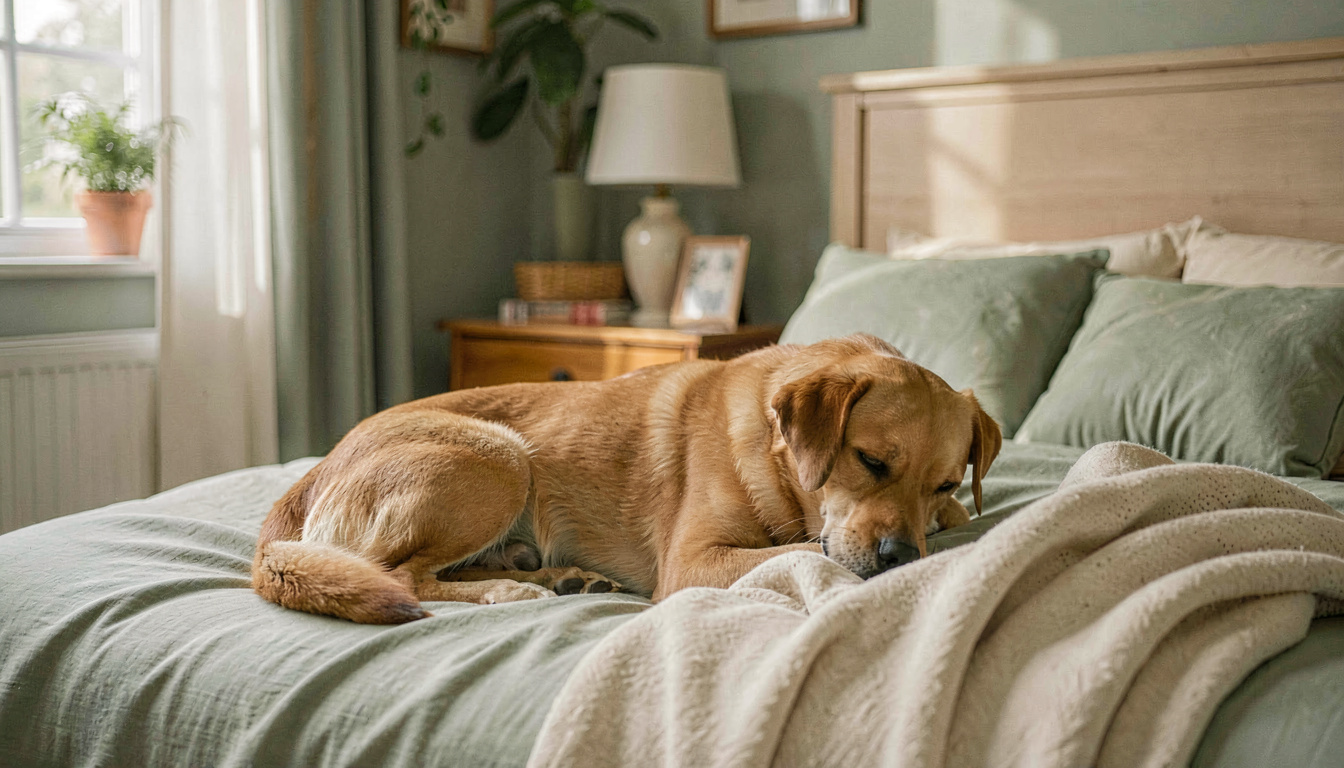
Your dog paces before sleep to create a comfortable nest, regulate body temperature, and release pent-up energy. This circling behavior is hardwired into their DNA from wild ancestors who trampled grass to build safe sleeping spots. Many dogs exhibit pre-sleep rituals, with pacing being one of the most commonly observed behaviors reported by pet owners.
Most pacing is completely normal. However, excessive circling or sudden changes in your dog’s bedtime routine can signal pain, anxiety, or cognitive issues. Proper bedding and room setup can significantly reduce pacing time in many dogs.
According to the ASPCA, according to the American Kennel Club, below, we’ll break down exactly what’s normal, what’s not, and how to help your dog settle faster.
Normal vs. Concerning Pacing
| Sign | Normal Pre-Sleep Pacing | Concerning Pacing |
|---|---|---|
| Duration | 30-90 seconds | Over 5 minutes |
| Speed | Slow, methodical | Frantic, restless |
| Direction | Consistent circles | Direction changes or pacing in lines |
| End result | Lies down calmly | Can’t settle, stands back up |
| Time of day | Only at bedtime | Occurs throughout night |
The Evolutionary Roots of Pre-Sleep Pacing
Is pacing before sleep normal?
Yes, pacing before sleep is completely normal for most dogs. This behavior stems from their wild ancestors who circled to flatten grass, scatter snakes, and check wind direction before lying down. Your dog’s brain still runs this ancient program even when sleeping on a luxury memory foam bed.
The circling serves three purposes. First, it flattens the sleeping surface. Second, it helps dogs find the coolest or warmest spot depending on the season. Third, it lets them position their nose into the wind to detect predators while they rest.
How long should pre-sleep pacing last?
Puppies often skip this ritual entirely. They haven’t fully developed the instinct yet and usually crash into sleep after short play sessions. Older dogs may pace longer simply because they need more time to lower their body temperature and find joint relief.
When Pacing Signals Pain or Illness
What health issues cause excessive pacing?
Arthritis, dementia, and neurological disorders cause excessive pacing that disrupts sleep. Dogs with joint pain circle repeatedly because they cannot find a comfortable position.
Canine Cognitive Dysfunction Syndrome (CDS) creates disorientation that looks like pacing. These dogs forget where their bed is or how to lie down properly. They may pace until they collapse from exhaustion.
Why can’t my senior dog settle?
Senior dogs struggle to settle when their joints hurt or their cognitive function declines. The pacing becomes compulsive rather than purposeful. You’ll notice they circle the same spot ten times instead of three.
Check their paws too. Overgrown nails or foreign objects make lying down painful. Dogs pace to avoid putting pressure on sore feet.
Anxiety-Driven Pacing Patterns
Why does my anxious dog pace at night?
Anxious dogs pace to self-soothe and burn nervous energy., including crate training, Thunder, separation anxiety, or schedule changes trigger this behavior. Unlike normal pre-sleep circling, anxious pacing often includes panting, drooling, or whining.
The movement releases cortisol and adrenaline. These stress hormones make it physically impossible for your dog to lie down. You’ll see them walk in straight lines or figure-eights rather than tight circles.
Create a safe zone using Best Dog Playpens to limit roaming space. Smaller areas reduce anxiety by mimicking den environments. The physical boundaries signal safety to your dog’s brain.
How can I calm my dog before bed?
Establish a 20-minute wind-down routine. Turn off bright lights and avoid excited play. A consistent sequence of leash-free potty break, quiet pets, and bed placement tells your dog it’s time to rest.
White noise machines mask startling sounds that trigger pacing. Many dogs pace because they hear outdoor noises we can’t detect. A fan or sound machine blocks these distractions.
Building a Better Sleep Environment
What bed type reduces bedtime pacing?
Orthopedic memory foam beds may help reduce pacing behaviors, particularly when they provide adequate support with at least 4 inches of thickness for large dogs. These beds eliminate the need to “fluff” the surface because they conform immediately to your dog’s body.
Bolster beds with raised edges satisfy the denning instinct. Dogs pace less when they can rest their chin on a raised surface. The edges mimic the grass walls their ancestors created.
For travel situations where pacing becomes disruptive, a secure Best Dog Carrier provides the den-like security that stops restless movement before it starts. The enclosed sides prevent the visual scanning that triggers circling.
Should I restrict my dog’s sleep area?
Yes, restricting space often reduces pacing. Use Best Dog Gates to section off a calm sleeping zone away from household traffic. Dogs pace less when they don’t need to patrol large areas.
However, don’t confine a pacing dog to a crate if they’re anxious. This creates panic. Instead, use baby gates to create a room-sized boundary that allows movement without permitting endless patrolling.
When to Call Your Vet Immediately
Contact your veterinarian if pacing accompanies other symptoms. Sudden increases in bedtime restlessness often indicate the earliest stages of medical issues.
Schedule an appointment if:
- Pacing increases suddenly over one week
- Your dog cannot lie down after 10 minutes
- Pacing happens during the day too
- Your dog shows signs of confusion or disorientation
- They cry out when attempting to lie down
What Veterinarians Say About Pre-Sleep Behavior
Frequently Asked Questions
Why does my dog pace in circles before bed?
Your dog paces in circles to flatten their sleeping area and check for danger. This instinct comes from wild ancestors who needed to create safe nests. Most dogs circle two to three times before lying down.
Is pacing before sleep bad for my dog?
No, pacing before sleep is not bad if it lasts under two minutes. However, pacing that extends beyond five minutes or includes distress signals indicates physical or mental health issues requiring attention.
How long should I let my dog pace?
Allow your dog to pace for up to three minutes. If they haven’t settled by then, check for bed discomfort or room temperature issues. Extended pacing warrants a vet visit to rule out pain or anxiety.
Do all dogs pace before sleeping?
No, not all dogs pace. Some dogs skip this ritual entirely, especially those raised indoors on soft surfaces from puppyhood. Missing the behavior is normal too.
Can I train my dog to stop pacing?
You shouldn’t train away normal pacing. It’s a natural comfort behavior. Instead, ensure they have a quiet space and supportive bed. For anxious pacing, address the underlying stress through routine changes or calming aids.
Related Articles
- Best Dog Playpens for creating secure sleep zones that reduce anxiety-driven pacing
- Best Dog Gates to limit nighttime roaming and establish healthy boundaries
- Best Dog Carrier options for travel anxiety and den-like security
Sources and Further Reading
The guidance in this article draws on published material from the following organizations:
- Pet safety in vehicles — American Veterinary Medical Association
Last updated: April 11, 2026
1 thought on “Why Dog Paces Before Sleep”