Disclosure: As an Amazon Associate I earn from qualifying purchases. This post may contain affiliate links at no extra cost to you.
Remove the cover and machine wash in cold or warm water with pet-safe detergent every 2-3 weeks. For foam inserts, spot clean only with a vinegar solution—never submerge. Dry completely on low heat or air dry to prevent mold.
Your dog’s bed harbors 100,000 bacteria per square inch after just one week of use. That’s more than your kitchen floor.
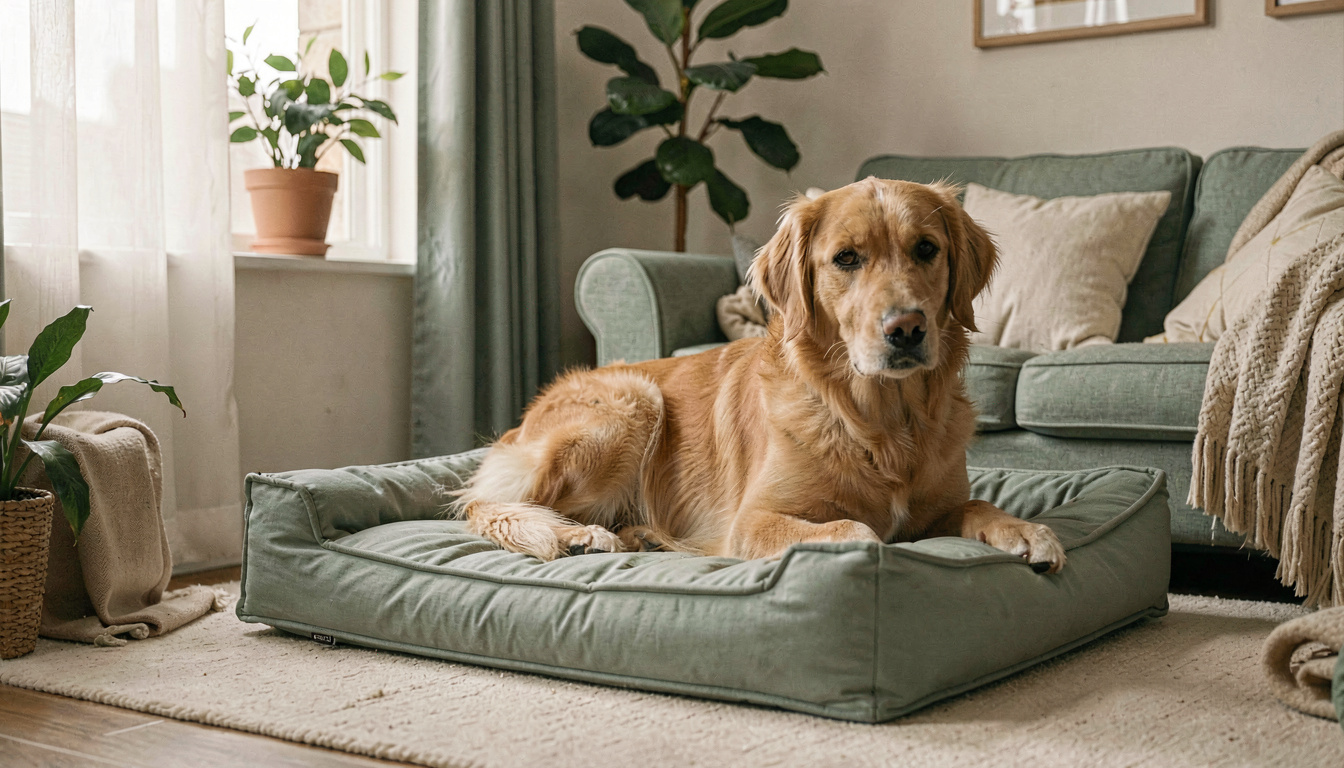
If you spent $200 on an orthopedic bed for your aging Golden Retriever, the last thing you want is to ruin it with one wrong washing cycle.
Here’s the thing: most owners destroy expensive foam inserts because they miss one critical step on the care label. I’ll show you exactly what that is—and how to keep your investment fresh for years.
Quick Reference Guide
| Task | Time Needed | Materials | Frequency |
|---|---|---|---|
| Hair removal & prep | 10-15 minutes | Vacuum, lint roller | Before every wash |
| Cover washing | 45-60 minutes | Pet-safe detergent, 1 cup vinegar | Every 2-3 weeks |
| Foam spot cleaning | 20-30 minutes + drying | Mild soap, vinegar, cloth | Every 4-6 weeks or as needed |
| Full drying | 4-24 hours | Sunlight, dryer (low heat) | Every wash cycle |
Pre-Wash Preparation
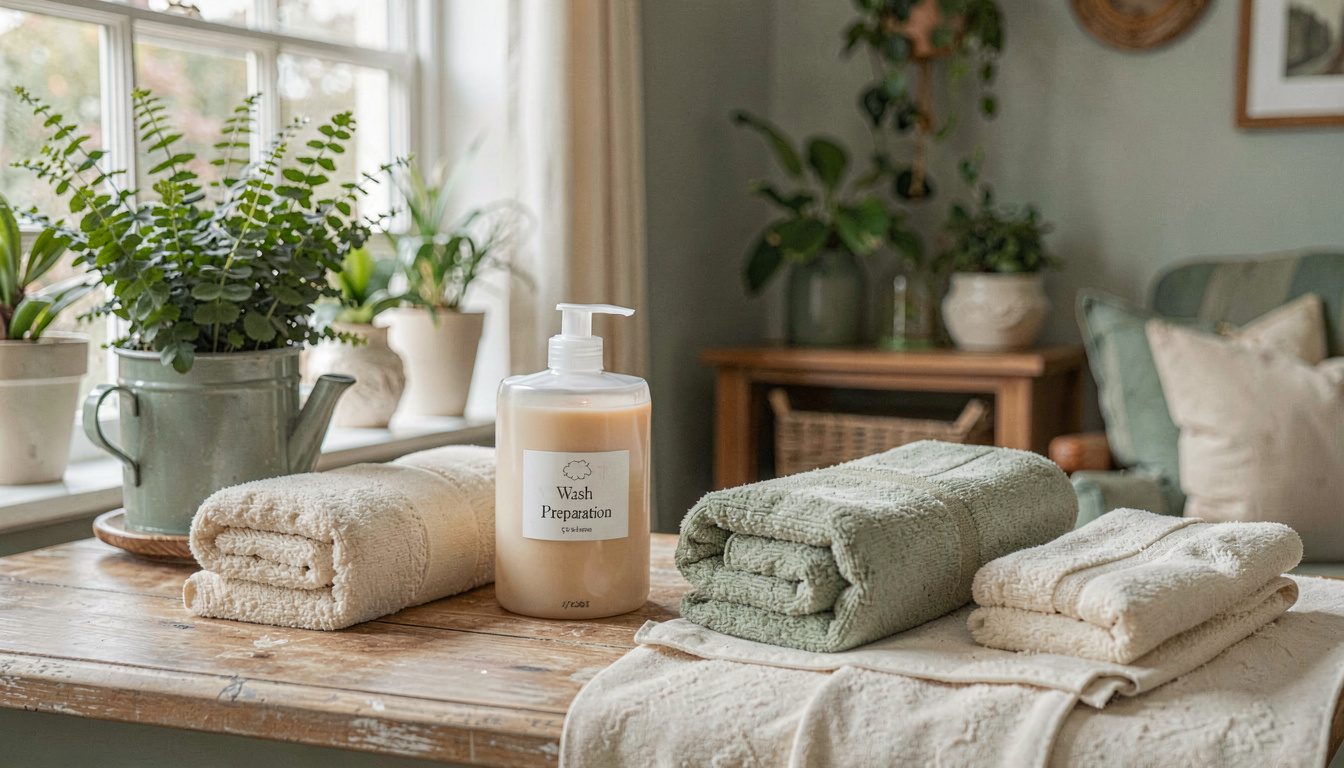
Don’t just toss the whole bed into your washer. That’s a $300 mistake waiting to happen.
How do I remove dog hair before washing?
Start with a thorough vacuum using the upholstery attachment. Get into the crevices where hair mats down. For stubborn fur, use a rubber lint brush or damp rubber gloves—run your hands across the fabric and watch the hair ball up instantly.
Shake the cover outside if you can. You’ll be shocked how much loose dirt falls out. This step protects your washing machine drain from clogging with fur.
What should I check on the care label?
Look for the hidden zipper. Many premium beds like FurHaven models have waterproof liners inside that should never see the inside of a washer. Check for tags indicating “spot clean only” on foam inserts—that’s your warning bell.
Unzip the cover and remove any foam, bolster, or cooling gel inserts immediately. Set them aside for hand cleaning. If your bed doesn’t have a removable cover (common in budget models), you’ll need the bathtub method I’ll cover shortly.
Machine Washing Removable Covers
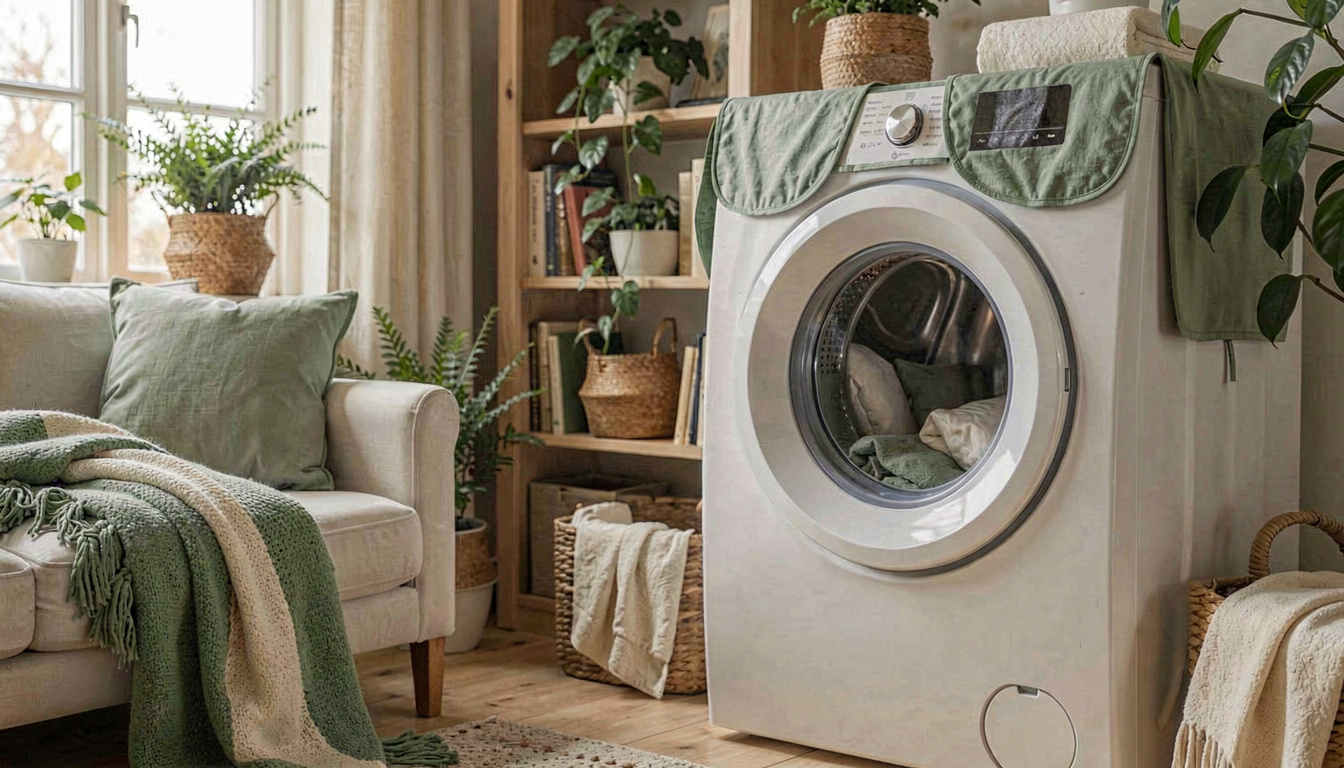
Now for the easy part—if you do it right.
What temperature kills germs without damaging the fabric?
High heat kills bacteria and parasites, but it also shrinks covers and melts waterproof coatings. Here’s the balance: if your label allows, wash at 140°F (60°C) to kill germs. Otherwise, warm water (90-100°F) with a pet-safe detergent like all® Free Clear works fine.
Use the extra rinse cycle. Always. Detergent residue irritates dog skin and causes itching.
Add 1 cup white vinegar to the wash dispenser or fabric softener compartment. This neutralizes ammonia smells from urine and acts as a natural fabric softener without the chemical buildup. For beds that smell like they’ve hosted a wet dog convention, add 1/2 cup baking soda directly into the drum with the vinegar.
Which detergent is safe for dogs?
Avoid anything with heavy fragrances or dyes. Dogs have 300 million olfactory receptors—you have 6 million. That “fresh mountain breeze” scent overwhelms their respiratory system. Stick to hypoallergenic, odor-fighting formulas specifically labeled pet-safe.
Wash the cover separately from your clothes. Dog hair transfers, and you don’t want Fido’s fur on your work shirt.
Now here’s where it gets interesting: while the cover tumbles, you’ve got a foam insert sitting in your laundry room that needs attention.
Cleaning Foam and Non-Washable Inserts
Memory foam and orthopedic supports require surgical precision. One wrong move and you’ve got a soggy, mildewed brick.
Can you submerge memory foam in water?
Absolutely not. Waterlogging destroys the cellular structure of memory foam. It takes weeks to dry fully, and mold starts growing within 48 hours in damp conditions.
Instead, fill your bathtub with 3-4 inches of lukewarm water and add a teaspoon of mild dish soap. Dip a clean cloth into the solution, wring it until barely damp, and blot the foam surface. Work in sections.
For heavily soiled areas, mix 1 cup white vinegar with 2 cups water in a spray bottle. Mist lightly—not saturate—and blot with a dry towel. The vinegar sanitizes without saturating.
How do you sanitize without submerging?
After spot cleaning, mist the entire surface with a 50/50 vinegar-water solution. Let it air dry completely before reassembling. Place it in direct sunlight if possible—UV rays kill bacteria naturally.
For beds without removable covers (common in travel beds), you’ll need to soak the entire bed in a tub for 10-15 minutes using the method above, then extract as much water as humanly possible. These take 24-48 hours to dry fully.
Drying and Reassembly
Moisture is the enemy. A damp bed grows mold faster than you can say “vet bill.”
How do you dry a dog bed completely?
For covers: Tumble dry on low heat if the label permits. L.L.Bean premium beds specifically recommend this to prevent shrinkage. High heat damages waterproof liners and elastic. Throw in a clean tennis ball to fluff the filling and prevent clumping.
Air drying works best for longevity. Hang covers in direct sunlight—the natural UV light kills remaining bacteria and freshens fabric.
For foam inserts: Patience. Place them on a drying rack in a well-ventilated room. Flip every 4 hours to ensure even drying. Press your hand into the center—if it feels cool or damp, it’s not done.
But wait—before you zip that cover back on, check the inside. Run your hand over the foam. Any dampness means you wait another day.
Common Washing Mistakes That Ruin Beds
I’ve made every error on this list. Learn from my disasters.
1. Washing the foam insert. I already warned you, but it bears repeating. That “gentle” cycle? Still too violent. Hand wash only.
2. Using human stain removers. Bleach and ammonia-based cleaners leave residues toxic to dogs. Stick to vinegar and baking soda, or products labeled pet-safe deodorizers.
3. Overloading the machine. Cramming the bed in with your jeans prevents proper agitation. The cover comes out still dirty, and heavy wet loads damage your washer’s drum bearings.
4. Storing while damp. Even slightly moist beds develop mildew smells within 72 hours. When in doubt, dry longer.
5. Ignoring the frequency. Wash removable covers every 2-3 weeks minimum. Spot clean weekly during flea season or heavy shedding periods. Full sanitization every 4-6 weeks keeps parasites and bacteria at bay.
Expert Insights on Canine Hygiene
Frequently Asked Questions
How often should I wash my dog’s bed?
Wash removable covers every 2-3 weeks with regular use. Spot clean weekly for muddy paws or accidents. Perform a full deep clean including foam sanitation every 4-6 weeks. During flea season or if your dog has skin allergies, double that frequency.
Can I use regular laundry detergent?
Only if it’s fragrance-free and hypoallergenic. Standard detergents contain perfumes and optical brighteners that irritate canine skin and respiratory systems. all® Free Clear is a solid choice, or any detergent specifically marked for pet bedding.
What about waterproof liners?
Wipe water-resistant liners (common in FurHaven beds) with a damp cloth and dilute detergent only. Never machine wash these—they’re heat-sealed and will separate in the washer, ruining the waterproof barrier.
Is it safe to dry dog beds in the dryer?
Yes, for covers only, on low heat. High temperatures shrink fabric and damage waterproof coatings. Foam inserts must air dry. If using a dryer for covers, toss in a clean tennis ball to prevent filling from clumping.
My dog bed still smells after washing. Why?
You likely have bacteria living in the foam core. Remove the cover and mist the foam with a 50/50 vinegar-water solution. Let it dry completely in sunlight. Alternatively, sprinkle baking soda on the foam, let sit for 24 hours, then vacuum. Persistent odors mean the foam needs replacement.
Related Reading
Ready to upgrade your dog’s comfort setup? Check out these guides:
• Best Dog Bed Covers — Protect your investment with removable, washable covers that make cleaning effortless
• Best Dog Bed for Travel — Portable options that stay clean on the road and wash up easily at home
• Best Dog Bed Deodorizer — Keep beds smelling fresh between washes with these vet-approved solutions
What This Gear Does Not Do Well
However, a recurring tradeoff is that covers designed for easy removal can fray at the seams or shrink slightly after repeated cycles, while the foam core inside often lacks a waterproof lining, so deep-set stains and dampness can migrate into the padding where they become nearly impossible to fully extract without compromising the foam’s integrity.