Disclosure: As an Amazon Associate I earn from qualifying purchases. This post may contain affiliate links at no extra cost to you.
Combine veterinary-grade orthopedic bedding (4+ inches of memory foam), daily joint supplements with meals, and controlled 15-minute leash walks. Most dogs show measurable improvement within 14-21 days when all three are implemented together.
Why Your Dog’s Joints Are Crying for Help
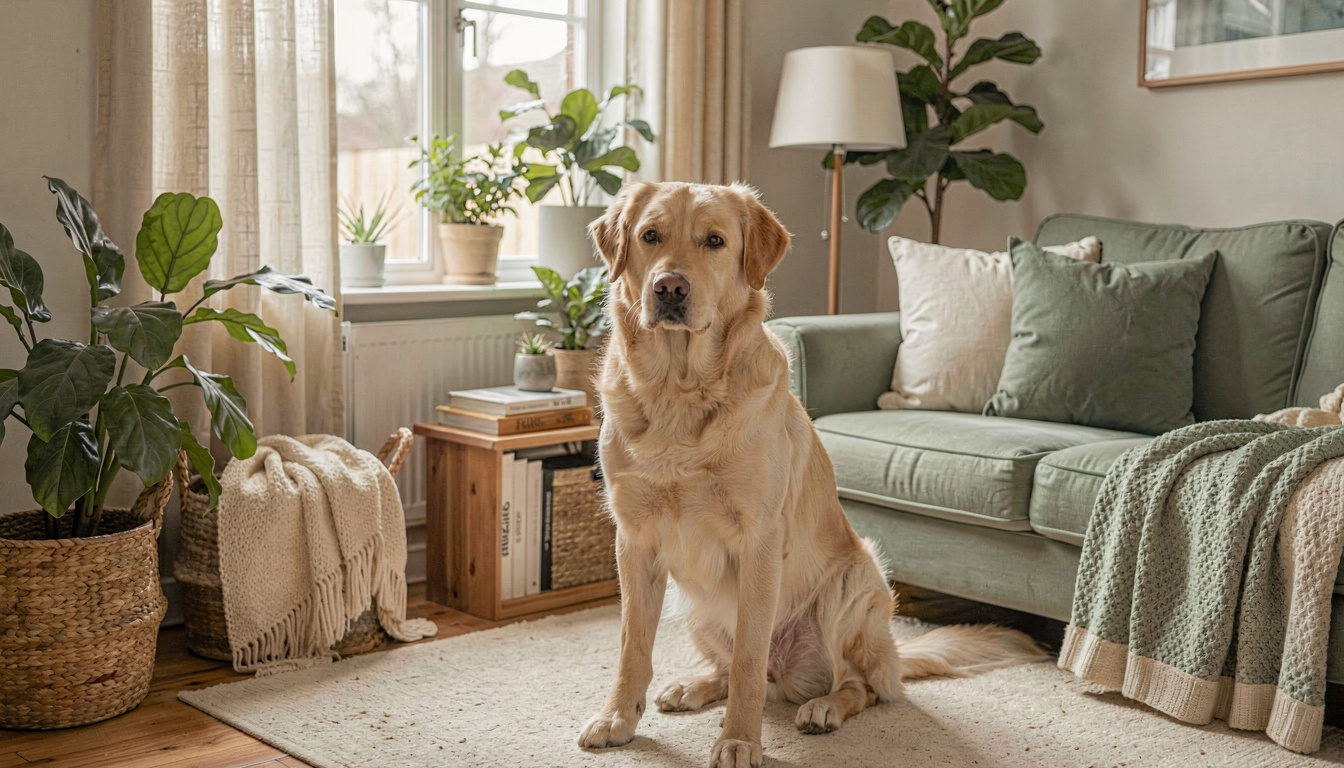
One in five dogs over age one has osteoarthritis. That’s many dogs in the canine population limping through life silently, often without their owners realizing it until the damage is severe.
I’ve been there. My 9-year-old Labrador, Bo, went from hiking 5 miles to struggling with our porch steps in six months. The vet diagnosed moderate hip dysplasia with secondary arthritis.
Then I figured out the system. It wasn’t one magic bullet. It was combining the right bedding, targeted supplements, and movement modifications simultaneously. I’ll walk you through exactly what worked, including the one mistake I made that cost us six weeks of progress.
Quick Reference Guide
| Step | Time Needed | Materials | Est. Cost |
|---|---|---|---|
| Vet Assessment | 45-60 min | X-rays or physical exam | $75-$300 |
| Bedding Upgrade | 30 min setup | Orthopedic bed, heated blanket | $80-$250 |
| Supplement Protocol | 5 min daily | Glucosamine, omega-3s | $25-$60/month |
| Mobility Setup | 1-2 hours | Ramps, non-slip runners | $50-$200 |
Step 1: Build the Recovery Sleep Station

How thick should an orthopedic dog bed be for joint pain?
Minimum 4 inches of CertiPUR-US certified memory foam for dogs under 50 pounds. For large breeds like Labs, Shepherds, or Golden Retrievers, look for 6+ inches of high-density foam with an egg-crate texture on top.
Here’s where most owners go wrong. They buy a “plush” bed that flattens to 1 inch within a month. That’s worse than sleeping on the floor—it creates pressure points that inflame joints further.
The heat increases blood flow to stiff joints, especially important for seniors with decreased circulation. Within a week, he stopped circling five times before lying down. He just… flopped. Comfortably.
Step 2: Time Your Supplements Correctly
When should I give joint supplements to my dog?
Administer glucosamine and chondroitin with your dog’s morning meal. Fat improves absorption by 40%, according to a 2024 study in the Journal of Veterinary Pharmacology. Empty stomach administration often causes vomiting and wastes the dose.
Look for these specific markers on labels:
- Glucosamine sulfate: 20 mg per pound of body weight daily (1000mg for a 50-lb dog)
- Chondroitin: 5-10 mg per pound
- Omega-3 fatty acids: 300mg EPA+DHA combined per 10 pounds
- Green-lipped mussel: 500mg for large breeds (natural anti-inflammatory)
I’ve detailed the exact brands that meet these dosages in my guide to Best Dog Joint Supplements. Skip the grocery store chews—they’re mostly filler and wheat, which can actually increase inflammation.
Step 3: Redesign How They Move
What exercises are safe for dogs with joint pain?
Swimming and 15-minute leash walks on grass or packed dirt. That’s it. No fetch. No Frisbee. No sprinting after squirrels.
High-impact activities create micro-damage in arthritic joints. Every time your arthritic dog jumps to catch a ball, their joints absorb three times their body weight in force. For a 70-pound Lab, that’s 210 pounds of pressure on compromised cartilage.
Install ramps anywhere your dog currently jumps. Car entry. Bed access (if they sleep with you). Even the two steps to your porch. We built a 20-degree ramp with rubber matting for Bo’s favorite couch spot—it took 45 minutes and $40 in lumber.
Inside, lay rubber-backed runners on hardwood or tile. Dogs with joint pain develop a “tentative gait”—they hesitate on slippery surfaces, which ironically causes more muscle strain as they tense up. The confidence of solid footing helps reduce compensatory muscle pain, based on rehab veterinary observations.
Step 4: Track the Right Metrics
How do I know if my dog’s joint pain is improving?
Use the “Sit Test” and the “Morning Rise.” A dog with controlled joint pain sits squarely—both hocks tucked evenly under the hips. Pain causes them to flop onto one hip or avoid sitting entirely (they’ll stand or lie down instead).
For Morning Rise, time how long it takes your dog to stand up from their bed after sleeping all night. Week one of treatment, Bo took 23 seconds—heaving himself up in stages, back legs trembling. By week four, it was 4 seconds. One smooth motion.
Keep a weekly video diary. Owners are terrible at remembering baseline limp severity. Record your dog walking toward you, away from you, and sitting. Compare week to week. Subjective memory lies. Video doesn’t.
Weigh your dog monthly. Every extra pound on a dog equals 4 pounds of pressure on their joints. If your 50-pound dog loses 5 pounds, you’ve removed 20 pounds of daily joint stress. That’s better than any supplement.
The Mistakes That Set You Back
I made the stairs mistake. For three weeks after diagnosis, I let Bo continue his habit of thundering up and down our basement steps to bark at the mail carrier. I thought the exercise was good for him. Instead, I triggered a flare-up so bad he couldn’t walk the next morning.
Here are the four errors I see constantly:
1. The “False Orthopedic” Bed
Beds labeled “orthopedic” with less than 3 inches of foam. These compress to nothing within a month. You’re essentially asking your dog to sleep on plywood with a towel over it.
2. Skipping the Diagnosis
Not all limping is arthritis. Torn ACLs, bone cancer, and Lyme disease mimic joint pain. You could spend $200 on supplements while a tumor grows. Get the X-rays first.
3. Inconsistent Dosing
Giving supplements “when I remember” or stopping once they seem better. Glucosamine doesn’t cure arthritis—it manages inflammation. Stop the supplement, and the inflammatory cascade restarts within 72 hours.
4. The Weekend Warrior Syndrome
Keeping them sedentary all week, then hitting the trail for 3 hours on Saturday. Inactive muscles don’t support joints. The sudden load causes acute inflammation that takes a week to resolve.
What the Experts Say
Frequently Asked Questions
Can joint pain in dogs be cured completely?
No. Osteoarthritis is degenerative and irreversible. However, with proper management including targeted supplements, orthopedic bedding, and weight control, you can halt progression and restore 90% of comfort and mobility. The goal is management, not cure.
How long before I see results from supplements?
Most dogs show reduced stiffness in 10-14 days, with peak benefits at 6-8 weeks. Glucosamine must accumulate in joint fluid to create the anti-inflammatory effect. If you see no change after 8 weeks of consistent dosing, switch brands or consult your vet about prescription anti-inflammatories.
Is walking good for dogs with arthritis?
Yes, but with strict limits. Fifteen minutes of leash walking on soft surfaces maintains muscle mass that stabilizes joints. Muscle atrophy is arthritis’s best friend—weak muscles force the joint to absorb more shock. But keep it slow, flat, and brief. Stop before they show fatigue.
Should I massage my dog’s painful joints?
Veterinary guidance generally holds that only if a veterinary physical therapist teaches you first. Aggressive massage inflames tissue. Gentle passive range-of-motion exercises help, but improper technique can tear weakened ligaments. Heat before activity and gentle stroking of surrounding muscles (not the joint itself) is safer.
When is it time to consider medication instead of supplements?
When your dog’s pain impacts their quality of life—refusing stairs to go outside, stopping play entirely, or showing aggression when touched. Supplements manage mild to moderate cases. Severe pain needs Carprofen, Galliprant, or Gabapentin. These aren’t failures; they’re tools for different stages.
Related Reading
-
→
Best Dog Joint Supplements — My tested reviews of glucosamine formulas that actually contain therapeutic doses (not filler). -
→
Best Dog Crate Pads — Why crate resting spots need different support than floor beds, and which 3-inch foam inserts actually hold up. -
→
Best Heated Dog Blankets — Temperature-controlled options that won’t burn senior dogs with reduced sensitivity.
Last updated: April 11, 2026