Disclosure: As an Amazon Associate I earn from qualifying purchases. This post may contain affiliate links at no extra cost to you.
- What bed type calms anxious dogs best: Donut-style or bolster beds work best
- Where should I put the safe space: Choose a quiet interior room away from windows
- How tight should the wrap fit: Snug but not restrictive
- When should I apply the wrap: Put it on before the trigger occurs
You can calm an anxious dog naturally by creating a secure den, applying gentle pressure wraps, and using herbal supplements or pheromones. Most dogs respond within 15 to 60 minutes using these drug-free methods. You don’t need prescriptions to help your pet cope.
Anxiety affects many dogs and is a common behavioral concern that pet owners frequently address with their veterinarians. That’s millions of pets suffering from thunder phobia, separation distress, or general nervousness. Natural calming avoids the drowsiness and cost of prescription medications.
However, severe anxiety may still need veterinary intervention. This guide covers techniques that work for mild to moderate cases. We’ll focus on methods you can start today without a vet visit.
| Method | Time to Effect | Cost Range | Best For |
|---|---|---|---|
| Safe space setup | Immediate | $50-$200 | Storm phobia |
| Pressure wraps | 5-15 minutes | $40-$50 | Situational anxiety |
| L-theanine supplements | 30-60 minutes | $20-$40/month | Daily anxiety |
| CBD oil | 45-90 minutes | $30-$60/month | General nervousness |
| Pheromone diffusers | 2 weeks (buildup) | $25-$50 | Multi-dog homes |
Create a Den-Like Safe Space
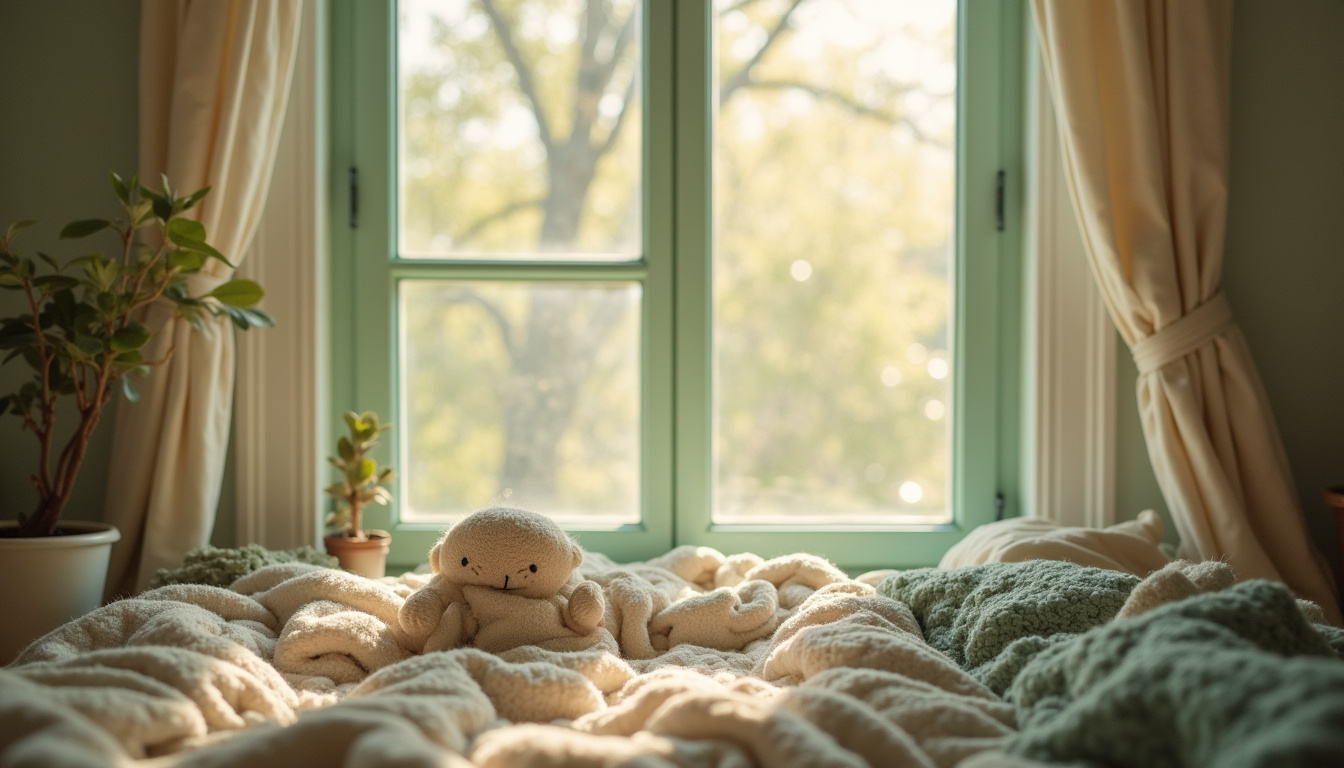
Dogs naturally seek enclosed spaces when frightened. A proper den mimics the tight security of a wild dog’s burrow. This satisfies their hardwired need for protection from predators.
What bed type calms anxious dogs best?
Donut-style or bolster beds work best. The raised edges create physical boundaries that trigger security reflexes. The slight pressure against their body mimics being cuddled.
Measure your dog from nose to tail base. Add 8 inches to determine the minimum bed diameter. For example, a 20-inch dog needs a 28-inch bed minimum.
Place the bed against a wall or inside a crate. This blocks visual stimuli from multiple angles. Dogs relax faster when they don’t need to monitor blind spots.
Where should I put the safe space?
Choose a quiet interior room away from windows. Basements or interior bathrooms work well during storms. The temperature should stay between 68 and 72 degrees Fahrenheit. Avoid drafty areas.
We recommend the models in our guide to the Best Dog Crate Overall for anxious dogs. Wire crates work well if covered. Plastic airline crates provide better sound dampening naturally.
Apply Pressure Therapy
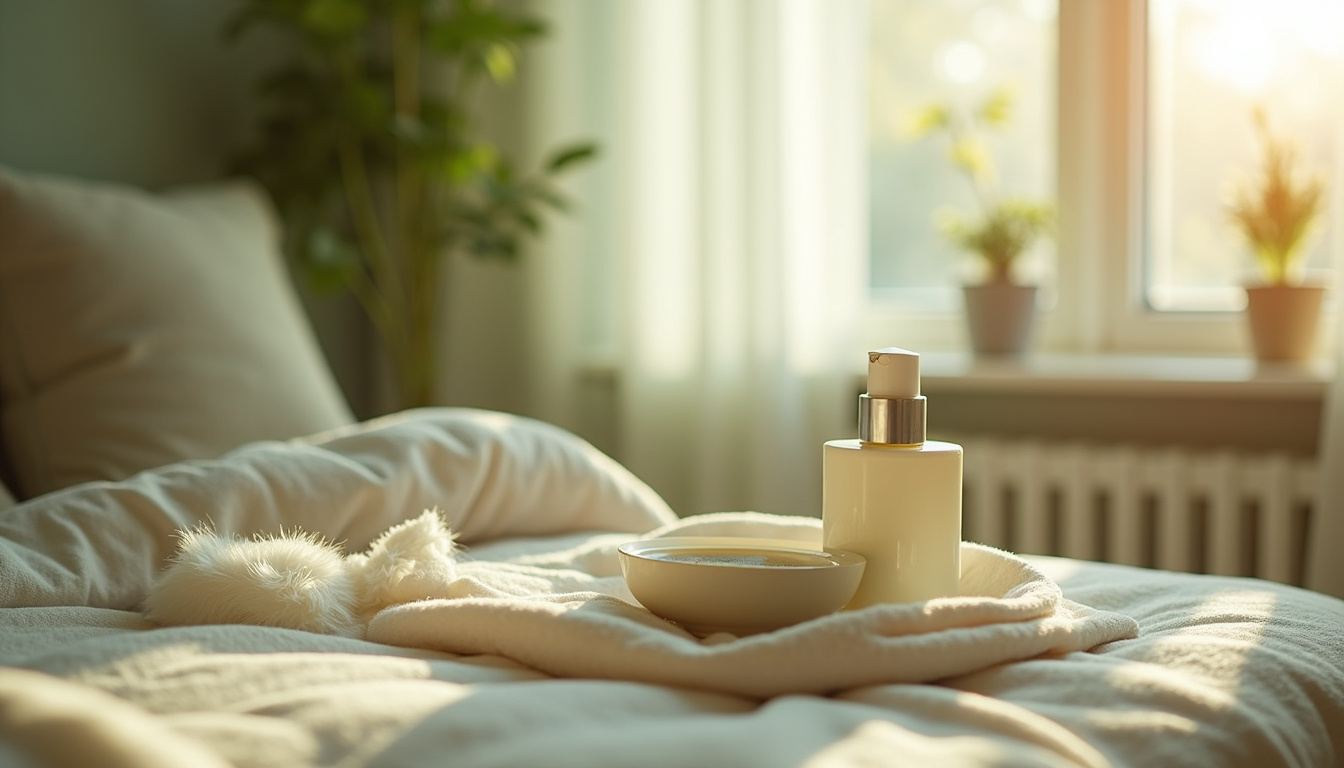
Pressure wraps apply constant, gentle squeezing similar to swaddling an infant. This triggers the parasympathetic nervous system. It tells the body to rest and digest.
How tight should the wrap fit?
Snug but not restrictive. You should fit two flat fingers between the wrap and your dog’s ribs. The pressure should equal a firm hug, not a constriction. Check the fit every 15 minutes initially.
Wash the wrap weekly. Dirt reduces the fabric’s compression effectiveness. Use unscented detergent. Fragrances can irritate sensitive noses.
Thunder shirts and anxiety wraps can help reduce anxiety behaviors in many dogs, though individual results may vary based on the specific pet and situation. Results appear in 5 to 15 minutes. The effect lasts for hours while worn.
When should I apply the wrap?
Put it on before the trigger occurs. If storms预测 at 3 PM, dress your dog at 2:30 PM. Pre-emptive calming works better than reactive application. Once cortisol floods the system, wraps help less.
Introduce the wrap during calm times first. Let your dog wear it for 10 minutes while eating dinner. This builds positive associations.
Use Natural Supplements and Scent Therapy
Certain herbs and pheromones alter brain chemistry without sedation. They work gently on the gamma-aminobutyric acid (GABA) pathways. That’s the same system prescription drugs target, but milder and safer for long-term use.
Which supplements work fastest?
L-theanine and casein hydrolysate (Zylkene) show results in 30 to 60 minutes. CBD oil works in 45 to 90 minutes but varies by dog weight. Start with 0.25 mg per pound of body weight. A 40-pound dog gets 10 mg.
Store supplements in cool, dark places. Heat degrades L-theanine potency. Check expiration dates monthly. Fresh products work better.
I’ve found that combining L-theanine with a pheromone diffuser cuts panic response time in half compared to either alone. My foster beagle went from shaking to sleeping within 40 minutes using this combo.
How do pheromone diffusers work?
They release synthetic dog-appeasing pheromones (DAP). These mimic the calming scent mother dogs emit while nursing. One diffuser covers 600 square feet. Install it in the wall socket 2 feet above floor level for optimal distribution.
Place diffusers in rooms where your dog spends most of their time for maximum effectiveness. Replace the vial every 30 days for consistent output. Mark your calendar.
Use Best Dog Gates to section off quiet supplement zones away from busy household traffic. This prevents the supplement from being wasted on environmental stress.
Implement Sound Masking and Routine
Predictable audio environments block startling noises. They mask the unpredictable sounds that trigger panic. Consistency is key.
What music works best for canine anxiety?
Classical music with 50 to 80 beats per minute matches resting heart rates. “Through a Dog’s Ear” compilations specifically arrange tracks for canine nervous systems. Play at 60 decibels or lower. That’s normal conversation volume.
Consistent routines often help lower stress hormones and create a more predictable environment that many dogs find comforting. Feed, walk, and settle your dog at the same times daily. Even on weekends, keep the schedule. Dogs can’t tell it’s Saturday.
How long should calming sessions last?
Maintain the environment for the duration of the stressor plus 30 minutes. If fireworks last 2 hours, keep the music and lights dim for 2.5 hours total. Sudden return to normal conditions can trigger a secondary anxiety spike.
For senior dogs with joint pain adding to their anxiety, ensure easy access to safe spaces. Ramps prevent the stress of climbing. Jumping aggravates arthritis, which increases anxiety.
See our picks for the Best Dog Ramp to help anxious seniors reach their beds without struggle. This removes physical barriers to their comfort zone.
Common Mistakes to Avoid
Skipping the acclimation phase causes problems. Dogs need 3 to 5 days to accept new calming beds or wraps as safe. Throwing them into a storm situation creates fear of the tool itself.
Inconsistent schedules confuse dogs. If you use supplements only on “bad days,” they work less effectively. Give calming treats 30 minutes before predictable stressors daily during storm season. Routine builds efficacy.
Buying the wrong bed size triggers more stress. A bed too large eliminates the security of contact with bolster walls. Measure twice before ordering. Too small causes cramps. Too large eliminates the den feeling.
Ignoring underlying pain is common. Arthritis or dental pain often masquerades as anxiety. Rule out medical causes first. A dog in pain can’t relax fully.
Giving up too soon is the biggest error. Natural methods require 2 to 3 weeks of consistent application before judging results. The body needs time to adapt to new neurochemical patterns.
Expert Insights
Natural methods fail when owners expect human timelines. Dogs process herbal supplements at different metabolic rates. Weight, liver function, and breed all affect absorption. Always consult your vet before mixing supplements with existing medications. Drug interactions are rare but serious.
Track your dog’s progress with video. Owners often miss gradual improvements because they see the dog daily. Record baseline behavior, then compare after 2 weeks of treatment. Objective measures prevent premature protocol changes.
Frequently Asked Questions
How long do natural calming methods take to work?
Pressure wraps work in 5 to 15 minutes. Supplements need 30 to 90 minutes. Environmental changes are immediate but require 1 to 2 weeks to show full behavioral benefits. Don’t expect miracles overnight. Consistency builds the calm.
Can I use multiple calming methods together?
Yes. Layering techniques creates stronger effects. Research suggests that combining pressure wraps with pheromones may be more effective than using either method alone for reducing anxiety in dogs. However, introduce one method every 3 days to identify what works. If you add everything at once, you won’t know which helped.
Are calming beds worth the investment?
Quality calming beds can help reduce pacing and restless behavior in many anxious dogs by providing a comfortable, secure resting space. Look for orthopedic foam bases plus bolsters. The downside is price—good models cost $80 to $150. But they last 3 to 5 years with washable covers. Calculate the cost per day. It’s less than premium kibble.
When should I see a veterinarian for anxiety?
Seek help if your dog harms themselves, destroys property when alone, or loses bladder control. These indicate severe anxiety requiring medical intervention. Natural methods help mild to moderate cases only. Pharmaceuticals aren’t failure. They’re tools.
Can anxiety wraps hurt my dog?
Properly fitted wraps pose no risk. However, ill-fitting wraps can cause overheating or restricted breathing. Check your dog’s gum color every 30 minutes initially. Pale gums mean remove the wrap immediately. Never use on dogs with respiratory issues unless cleared by a vet.
Related Articles
Check out our detailed guides:
- Best Dog Crate Overall
- Best Dog Ramp
- Best Dog Gates
Last updated: April 11, 2026