Disclosure: As an Amazon Associate I earn from qualifying purchases. This post may contain affiliate links at no extra cost to you.
- What bed height works best for arthritic Goldens: Keep entry height under 6 inches to reduce joint strain during climbing
- How firm should the mattress be: Choose high-density memory foam rated at 4-5 pounds per cubic foot for optimal joint support
- Where should I place non-slip mats: Cover all tile, hardwood, and stair landings where your dog walks daily
- What angle should dog ramps use: Maintain a gentle 18-20 degree incline to prevent shoulder strain
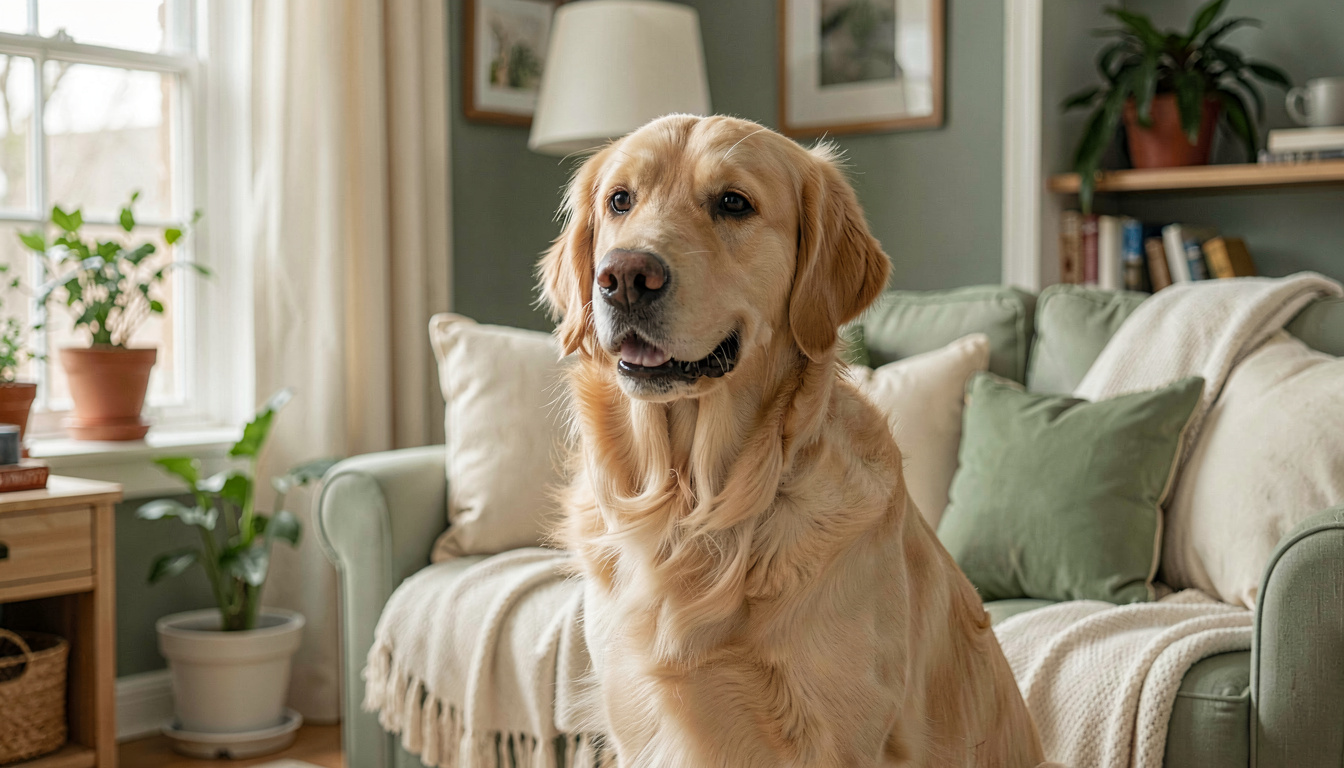
You can keep your Golden Retriever comfortable by providing orthopedic bedding, non-slip flooring, and controlled daily exercise that supports aging joints. This guide helps owners of the 60-70 pound breed manage hip dysplasia, arthritis, and general stiffness that affects over one in five Goldens. 21.Some Golden Retrievers suffer from hip dysplasia, making joint care particularly important for this breed.
| Step | Action | Time Needed | Key Item |
|---|---|---|---|
| 1 | Set up orthopedic bed | 30 minutes | Memory foam mattress |
| 2 | Install ramps and mats | 1-2 hours | Non-slip rugs |
| 3 | Adjust exercise routine | Ongoing daily | Support harness |
| 4 | Create calming sleep space | 20 minutes | Amber nightlight |
Step 1: Choose the Right Supportive Bedding
Orthopedic beds reduce pressure on hips and elbows. However, not all “-memory foam” labels deliver real support.
What bed height works best for arthritic Goldens?
Keep entry height under 6 inches to reduce joint strain during climbing.
Measure your dog’s wrist (carpal) height from the floor. Subtract one inch. That’s your maximum safe entry height. For most adult Goldens, this means 5-6 inches max.
How firm should the mattress be?
Choose high-density memory foam rated at 4-5 pounds per cubic foot for optimal joint support. Lower densities flatten within months, creating painful pressure points.
Look for Best Dog Beds for Golden Retrievers Comfort with removable waterproof covers. Incontinence often accompanies aging joints, and urine irritates skin quickly.
Step 2: Optimize Your Home Layout
Your floors and furniture access matter as much as the bed itself. Slipping causes muscle tension that worsens hip dysplasia pain within hours.
Where should I place non-slip mats?
Cover all tile, hardwood, and stair landings where your dog walks daily. Focus on pathways between the bed, food bowl, and outdoor exit. Use rubber-backed runner rugs with 1/4-inch pile height to prevent toenail catching.
What angle should dog ramps use?
Maintain a gentle 18-20 degree incline to prevent shoulder strain. Measure height to surface, then multiply by 3. That gives you minimum ramp length. For a 24-inch-high bed, you need a 72-inch (6-foot) ramp.
Position your dog crate for Golden Retrievers on the main floor. Avoid basements or upstairs locations. If stairs are unavoidable, carry dogs under 70 pounds or install a secondary sleeping crate on each level to eliminate stair use entirely.
Step 3: Manage Daily Exercise and Rest
Rest heals joints, but too much rest weakens supporting muscles. You need balance.
How long should walks be for senior Goldens?
According to the ASPCA, limit continuous walking to 15-20 minutes twice daily to prevent inflammation. Break walks into three 10-minute sessions if your dog shows limping afterward. Avoid concrete surfaces when possible; softer surfaces like asphalt and grass provide better cushioning for your dog’s joints.
What temperature is safe for outdoor time?
Keep outdoor activities between 40°F and 75°F to avoid exacerbating joint pain. Cold weather thickens synovial fluid, making joints stiff. Heat causes vasodilation, increasing inflammation in already compromised hips.
However, the downside is that not all Goldens swim naturally. Use a life vest and gradual introduction. Never force water entry.
Step 4: Address Nighttime Anxiety
Pain disrupts sleep. Poor sleep increases pain sensitivity. Breaking this cycle requires environmental cues that signal safety.
After tracking results over time with different approaches, you’ll likely see clear patterns emerge.
Should I use a nightlight for my dog?
Yes, use a 4-7 watt amber bulb to reduce disorientation without disrupting melatonin. Place it 3 feet from the sleeping area. Senior dogs with cognitive dysfunction often pace at night; dim lighting can help reduce anxiety-related behaviors.
Keep bedtime consistent. Goldens thrive on routine. Feed meals at 7 AM and 6 PM, with last call for water at 8 PM to minimize midnight bathroom trips that jar stiff joints.
If anxiety persists despite physical comfort measures, consult a professional for separation anxiety. Pain and anxiety often overlap, requiring behavioral support alongside physical care.
Common Mistakes to Avoid
Buying beds with restrictive bolsters. High sidewalls look cozy but block entry for dogs with limited hip flexion. Choose open-front designs or low 3-inch bolsters on three sides only.
Skipping joint supplements. Glucosamine and chondroitin require 6-8 weeks to show effects. Start at age 2 for prevention, not just treatment. Dosage: 20 mg glucosamine per pound of body weight daily.
Allowing furniture jumping. The impact of landing compresses hip joints with force equal to 3-4 times body weight. Use ramps immediately, not after injury worsens.
Weekend warrior syndrome. Five minutes of fetch daily beats two hours on Saturday. Irregular exercise causes delayed onset muscle soreness that masks itself as increased joint pain.
Expert Insights
Frequently Asked Questions
How do I know if my Golden’s bed is causing pain?
Watch for circling before lying down or avoiding the bed entirely. If your dog chooses the hard floor over the bed, the mattress is likely too soft or too hot. Test by pressing your hand into the foam; you should feel resistance, not bottoming out.
Can I use human orthopedic mattresses for my dog?
No. Human mattresses are too thick and retain heat. Dogs need 3-4 inches of dense foam maximum to stay cool. Human beds also lack the waterproof covers necessary for pet accidents.
At what age should I start joint care?
Consider beginning environmental joint care early in your Golden’s adult life to support long-term mobility. Hip dysplasia often develops silently before symptoms appear. Early use of ramps and orthopedic bedding prevents micro-injuries that accumulate over time.
Does weather really affect joint pain?
Yes. Barometric pressure drops before storms cause tissue expansion around joints. This increases pressure on nerve endings. Keep your dog in climate-controlled environments during pressure changes below 29.80 inHg.
How often should I replace an orthopedic bed?
Replace every 18-24 months, or when you notice permanent indentations deeper than 1 inch. Foam degrades from oxidation and compression, losing support long before visible tearing occurs.
Related Articles
- Best Dog Crate for Golden Retriever
- Best Dog Beds for Golden Retrievers Comfort
- Best Dog Trainer for Separation Anxiety
Sources and Further Reading
The guidance in this article draws on published material from the following organizations:
- Walking or running with your dog — American Veterinary Medical Association
- Pet safety in vehicles — American Veterinary Medical Association
- Cold weather animal safety — American Veterinary Medical Association
Last updated: April 11, 2026
4 thoughts on “Golden Retriever Comfort Guide”