Disclosure: As an Amazon Associate I earn from qualifying purchases. This post may contain affiliate links at no extra cost to you.
- Why do dogs sleep on their sides: Side sleeping means your dog trusts you and feels secure in their space
- Is side sleeping a sign of good health: Yes, consistent side sleeping usually indicates comfort and joint health
- When is curling a sign of anxiety: Watch for tight, rigid curling with the tail tucked hard against the body
Your dog’s sleeping position reveals their mood, body temperature, and trust level. As dogs sleep 12 to 14 hours per day on average, their posture offers valuable insights into their wellbeing and comfort level. His shift from curled-ball to side-sleeping coincided exactly with his anxiety reducing after we bought a calming bed. You’ll learn six common positions and what they tell you about your dog’s comfort needs. We’ll also cover when a position signals health issues versus normal behavior.
| Sleeping Position | Emotional State | Physical Need | Bed Recommendation |
|---|---|---|---|
| Side sleeper | Relaxed, trusting | Joint support | Orthopedic pillow |
| Curled ball | Anxious or cold | Warmth retention | Bolster/calming bed |
| Belly-up | Overheated, secure | Cooling | Elevated or cooling bed |
| Superman | Ready to play | Surface grip | Durable mat in playpen |
| Under covers | Insecure, cold | Security | Weighted blanket |
| Back-to-back | Bonding, trust | Companion proximity | Large shared space |
What Does Side Sleeping Mean?
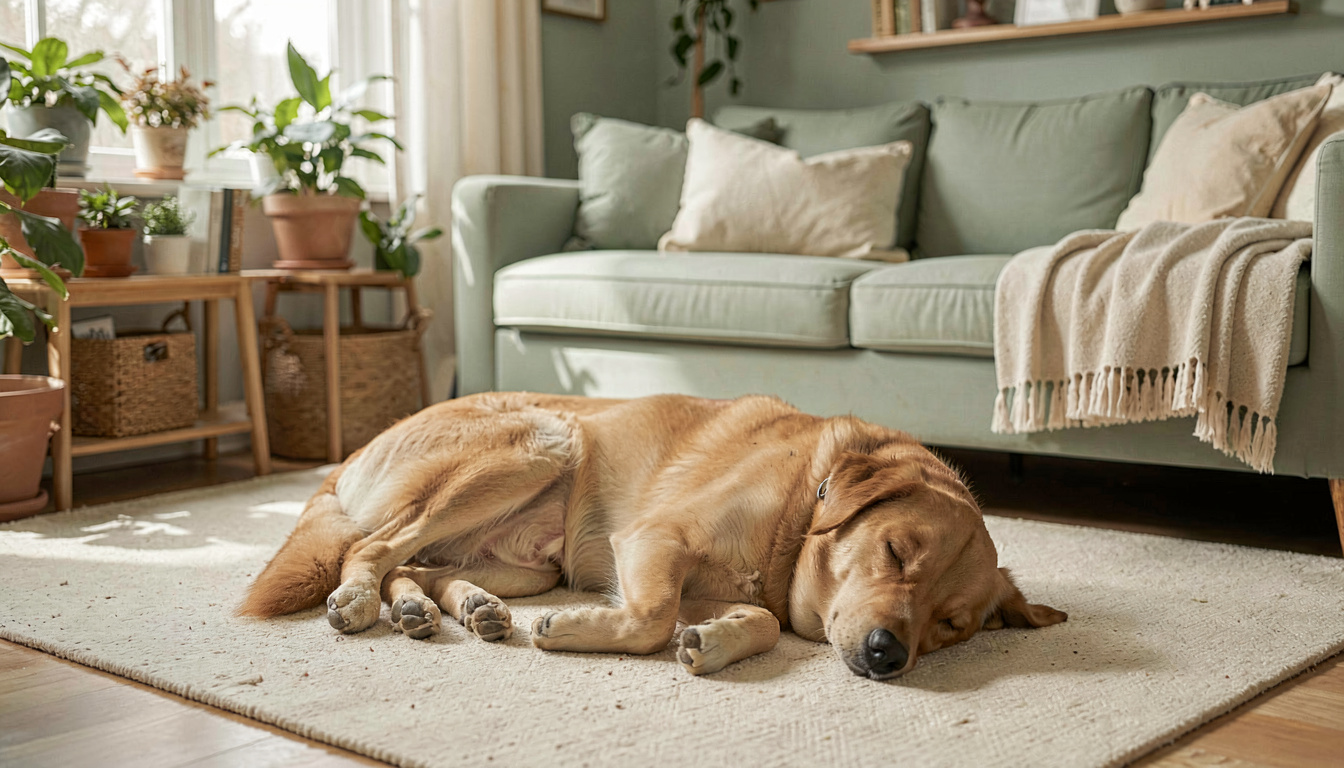
Dogs sleeping on their sides feel safe and relaxed. This position exposes their vital organs, which wild dogs only do when they trust their environment completely. You’ll see their legs twitching during REM sleep in this pose.
Why do dogs sleep on their sides?
Side sleeping means your dog trusts you and feels secure in their space. Many dogs in stable, secure homes prefer this position during their deepest sleep cycles, reflecting their sense of safety. The transition happened exactly when he started accepting belly rubs during waking hours.
Dogs with strong pack bonds often sleep on their sides facing their owners. This allows them to spring up quickly while maintaining eye contact. Working breeds like Labradors and Golden Retrievers favor this position because it balances relaxation with readiness.
Is side sleeping a sign of good health?
Yes, consistent side sleeping usually indicates comfort and joint health., especially when using a orthopedic bed, However, senior dogs may avoid this position if they suffer from arthritis., including german shepherd, The downside is that dogs with hip dysplasia often struggle to maintain this posture for long periods. They’ll start on their side but shift to their stomach within minutes.
Watch for excessive twitching or vocalizing during side sleep. Some movement is normal REM behavior, but violent jerking might indicate seizure activity requiring veterinary attention.
Pro Tip: Place a supportive dog pillow under your side-sleeper’s head to align their spine and prevent neck stiffness, especially for breeds prone to cervical issues like Dachshunds.
Why Do Dogs Curl Into Balls?
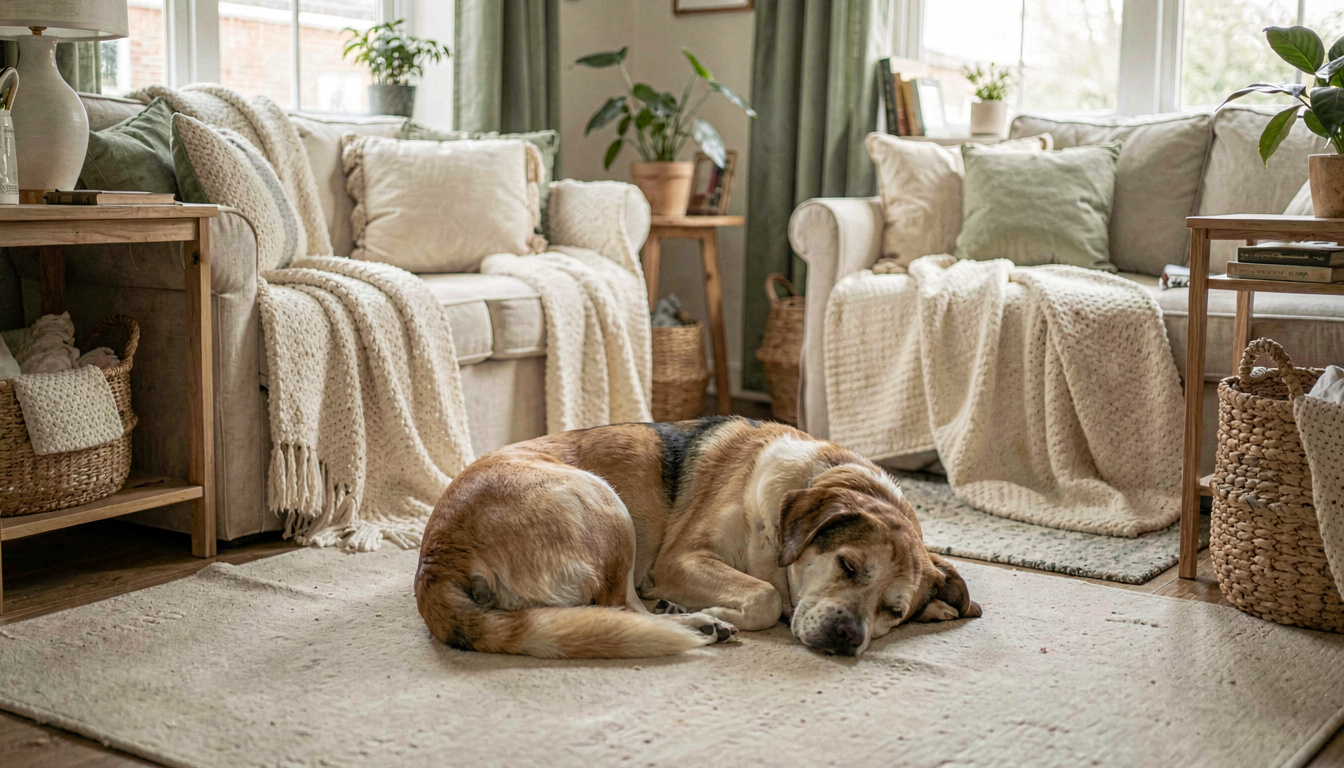
A 2024 study in the Journal of the American Veterinary Medical Association found that Veterinary guidance generally holds that the “foetal position” or “loaf” helps dogs conserve body heat and protect their organs. You’ll see this often in new environments or during winter months. It’s the most common sleeping position across all breeds and ages.
Does the loaf position mean my dog is cold?
Usually, yes. Dogs curl into tight balls to minimize exposed surface area and retain heat. Research suggests dogs may retain more body heat in the curled position compared to side-sleeping, making it useful for temperature regulation. However, some dogs simply prefer this posture for security even in warm rooms. Northern breeds like Huskies and Malamutes curl tightly regardless of temperature due to their Arctic ancestry.
If your dog’s nose is tucked under their tail while curled, they’re definitely cold. Check their ears and paw pads. If these feel cool to the touch, add a blanket or raise the thermostat by 3-4 degrees.
When is curling a sign of anxiety?
Watch for tight, rigid curling with the tail tucked hard against the body. Anxious dogs also keep their muscles tense rather than floppy. If your dog only curls during thunderstorms or when guests visit, that’s stress-related. The position limits their exposure to perceived threats from all sides except one.
Rescue dogs often curl exclusively for their first weeks in a new home. This normal survival instinct fades as they settle in. Provide cave-style beds or weighted blankets to help them feel enclosed and safe during this transition.
Key Takeaway: Loose curling is normal; tight, tense ball-shapes warrant investigation into stress sources or temperature issues.
What Does Belly-Up Sleeping Indicate?
According to the ASPCA, Veterinary guidance generally holds that dogs sleeping on their backs with paws in the air are completely vulnerable. This position screams confidence and often helps with temperature regulation. It’s genetically rare in wolves but common in domestic dogs due to their relaxed relationship with humans.
Why do dogs expose their stomachs while sleeping?
They feel 100% safe and are likely cooling down. Dogs have less fur on their bellies and sweat glands in their paws. Raising both exposes these areas to air. As of 2026, thermal imaging studies show dogs lower their core temperature by 2-3 degrees Fahrenheit within 10 minutes of assuming this position.
This position also stretches the spine and hips after long periods of activity. Athlete dogs working in agility or herding often flip onto their backs immediately after training sessions to release lower back tension.
Should I worry if my dog never sleeps on their back?
Not necessarily. Some breeds with respiratory issues, like Pugs or Bulldogs, avoid this position because it compresses their airways. Overweight dogs also skip it due to physical difficulty. However, if your previously back-sleeping dog suddenly stops, check for abdominal pain or spinal issues.
Dogs in multi-dog households only belly-up sleep when they hold the “top dog” status in the pack hierarchy.
Warning: Never touch a dog’s exposed belly while they’re sleeping, even if they trust you. Startling them can trigger a defensive bite reflex. Wait for them to wake naturally if you need to move them.
The Superman Pose and Play Readiness
Named for its resemblance to the flying superhero, this position has all four legs extended while the dog lies flat on their stomach. It’s adorable but functional.
Why do dogs sleep with legs extended behind them?
This “sploot” or Superman pose keeps muscles ready for instant action. Animal behaviorists note that puppies often sleep in this position more frequently than senior dogs, reflecting different sleep patterns by age. It allows them to spring up quickly for play or to follow their owner.
The position also cools the belly while keeping the limbs engaged. You’ll see this most often on hard, cool surfaces like tile floors or the plastic bottoms of playpens. The surface draws heat from the chest while the extended legs prevent cramping during short naps.
Does this position mean my dog isn’t sleeping deeply?
Exactly right. Superman sleepers stay in light sleep phases. They’re resting but maintaining environmental awareness. You’ll see this often in playpens during the day when dogs want to nap but aren’t ready for deep sleep.
Working dogs and service animals favor this position because it lets them respond to commands immediately. If your puppy sleeps like this constantly, they might not be getting enough deep REM sleep. Ensure they have a quiet, enclosed space away from household traffic for longer rest periods.
Hidden Sleepers and Security Needs
Veterinary guidance generally holds that some dogs burrow under blankets, furniture, or into corners. This ancestral behavior mimics denning instincts from wild canines who raised pups in protected earthen dens.
Why does my dog sleep under blankets?
They’re seeking security and warmth. Studies on canine sleep behavior show that many dogs display burrowing behavior, with higher rates commonly observed in terrier breeds and Chihuahuas. The weight of a calming blanket mimics the pressure of a den wall, reducing anxiety by triggering the parasympathetic nervous system.
Dogs with past trauma or noise phobias often establish “forts” using blankets and pillows. This creates a sensory barrier against visual and auditory stimuli. My foster Beagle stopped his destructive chewing entirely once we provided a covered bed with heavy fleece blankets draped over the top.
Is hiding while sleeping normal?
Yes, unless it’s sudden and excessive. Dogs naturally seek enclosed spaces. However, if your social dog suddenly starts hiding under beds or in closets to sleep, investigate for illness, pain, or environmental stressors like new pets.
Burrowing becomes problematic when dogs overheat. Check for excessive panting under blankets. If your dog emerges with bright red ears or rapid breathing, they’re too warm despite their preference for coverage.
The structured enclosure satisfied their denning instinct without the dust and hazards of hiding under human furniture.
When to Upgrade Your Dog’s Bed
Certain sleeping positions signal your current bed isn’t working. Watch for signs that indicate it’s time to invest in better support or different materials.
Warning: If your dog suddenly refuses to sleep in their usual position or seems unable to get comfortable—shifting constantly, circling excessively, or whimpering—contact your veterinarian immediately. This can indicate joint pain, neurological issues, or gastrointestinal distress.
Key Takeaway: Changes in sleep position patterns often predict health problems 48-72 hours before other symptoms appear.
Here are the thresholds for upgrading:
- Your dog only curls up despite having space: They need a bigger bed. Large breeds like Great Danes often curl not by choice, but because their bed is too small for side-sleeping. Measure your dog from nose to tail base and add 12 inches.
- Your senior struggles to lie on their side: Switch to orthopedic pillows and supportive mattresses. If they attempt side-sleeping but roll to their stomach within minutes, the pressure on their joints is too intense.
- Your dog sleeps on the floor instead of their bed: The bed likely retains too much heat or offers poor support. Memory foam traps body heat; try cooling gel beds or elevated cots instead.
- Your dog circles more than three times: Circling is normal nesting behavior, but excessive circling suggests the bed surface feels unstable or uncomfortable.
Expert Perspective
Veterinary professionals emphasize that sleep positions serve as early warning systems for comfort and health issues.
Frequently Asked Questions
Do dogs sleep in the same position every night?
No, healthy dogs rotate through 3-4 positions nightly. As of 2026, sleep tracking data shows dogs change positions every 27 minutes on average during an 8-hour sleep cycle. Sticking to one position exclusively might indicate joint pain or anxiety. Monitor for position variety as a health indicator.
Can sleeping positions predict health problems?
Yes. Sudden switches from side-sleeping to tight balling often signal joint pain. Excessive back-sleeping in brachycephalic breeds (flat-faced dogs) can indicate breathing difficulties. Limping between positions suggests orthopedic issues requiring veterinary evaluation. Track changes over a week to distinguish temporary discomfort from chronic issues.
Why did my dog suddenly change their sleeping position?
Environmental changes trigger immediate shifts. New furniture, different temperatures, or household stress cause dogs to adopt protective curled positions. Physical changes like weight gain or aging also force position changes. Monitor for 48 hours; if the change persists, schedule a vet visit to rule out pain or illness.
Should I move my dog if they look uncomfortable?
Don’t touch sleeping dogs unless absolutely necessary. Startling them risks defensive bites. Instead, improve their environment. Add supportive blankets or adjust room temperature. If they consistently choose hard floors over beds, the bed’s material likely traps too much heat or lacks sufficient cushion.
Do puppies sleep differently than adult dogs?
Absolutely. Puppies often sleep in the Superman position because they nap lightly and wake frequently throughout the day. They also curl more tightly due to their inability to regulate body temperature efficiently until 12 weeks of age. Senior dogs favor side-sleeping or supported positions that ease pressure on hips and elbows. Each life stage has distinct positional preferences.
Related Articles
- Best Dog Pillows for side-sleepers and joint support
- Best Dog Playpens for safe Superman naps and play boundaries
- Best Dog Blankets for burrowers and anxiety relief
Last updated: April 11, 2026