Disclosure: As an Amazon Associate I earn from qualifying purchases. This post may contain affiliate links at no extra cost to you.
- Why does my dog sleep curled in a ball: This “donut” position conserves body heat and protects vital organs
- What does it mean when my dog sleeps on their back: Exposed bellies indicate complete environmental trust
- Why does my dog sleep on their side: Side sleeping is the REM sleep position
- Why does my dog sleep with their head raised: Some dogs rest their chin on furniture edges or pillow borders
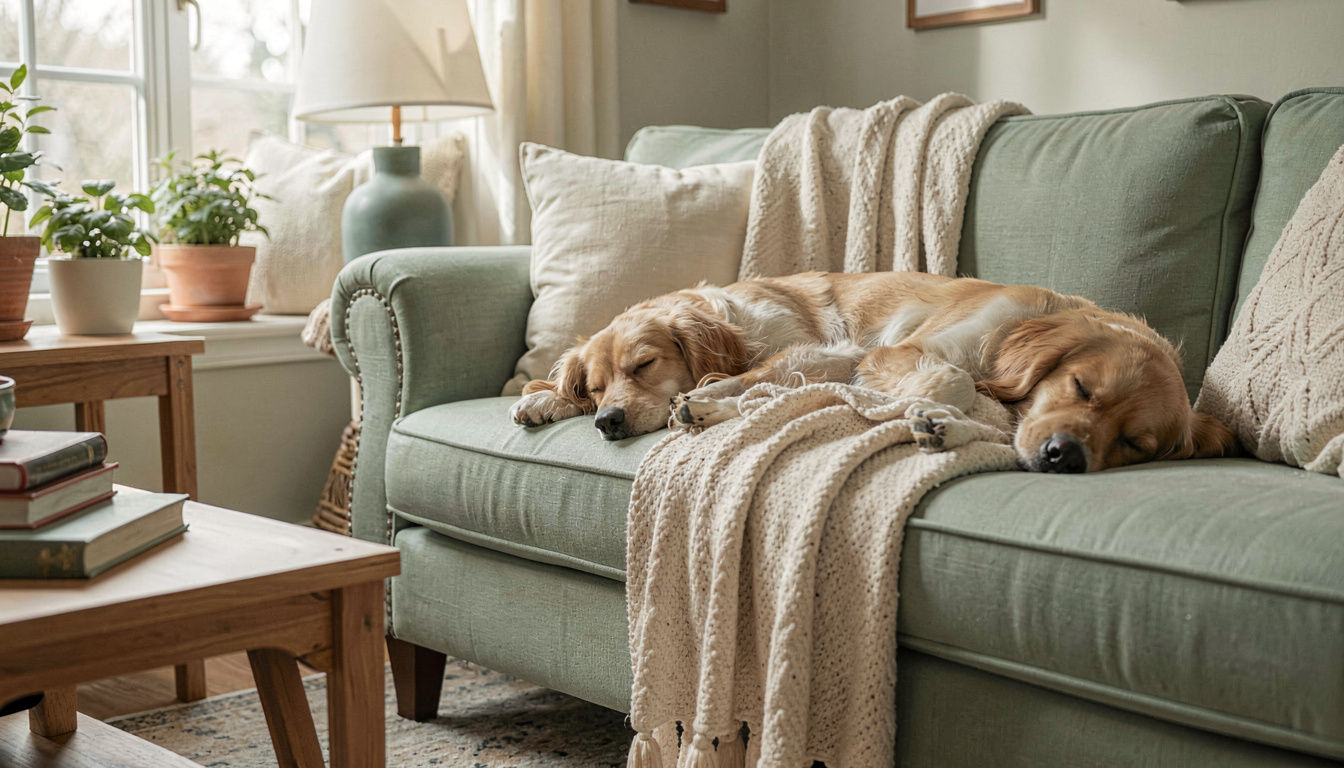
Your dog’s sleeping position tells you exactly what type of bedding they need. Dogs spend 12 to 14 hours daily sleeping, and their posture reveals whether they’re warm, anxious, or experiencing joint pain. Watch how your dog settles down. A curled spine means they need nest-style beds. A sprawled belly-up position demands cooling surfaces. Side sleepers need orthopedic support.
Many dogs over age seven show improved mobility when their bedding accommodates their natural sleep preferences, making it important to observe your dog’s favorite positions when choosing supportive bedding. These positions aren’t random habits. They’re biological signals. Understanding them helps you pick the right mattress firmness, bolster height, and temperature regulation.
Key Facts at a Glance
| Sleep Position | Body Language | Comfort Need | Best Bed Type |
|---|---|---|---|
| Curled Donut | Tail wrapped, nose tucked | Warmth, security | Bolster/nest bed with walls |
| Side Sleeper | Legs extended, belly exposed | Joint support, cooling | Orthopedic mattress, flat surface |
| Superman | Belly down, legs splayed | Temperature regulation | Elevated/cooling bed |
| Back Sleeper | Paws up, belly skyward | Heat dissipation, confidence | Memory foam with airflow |
| Lion’s Pose | Head on paws, ready to rise | Light rest, monitoring | Crate pad or mat |
What Your Dog’s Sleep Position Reveals
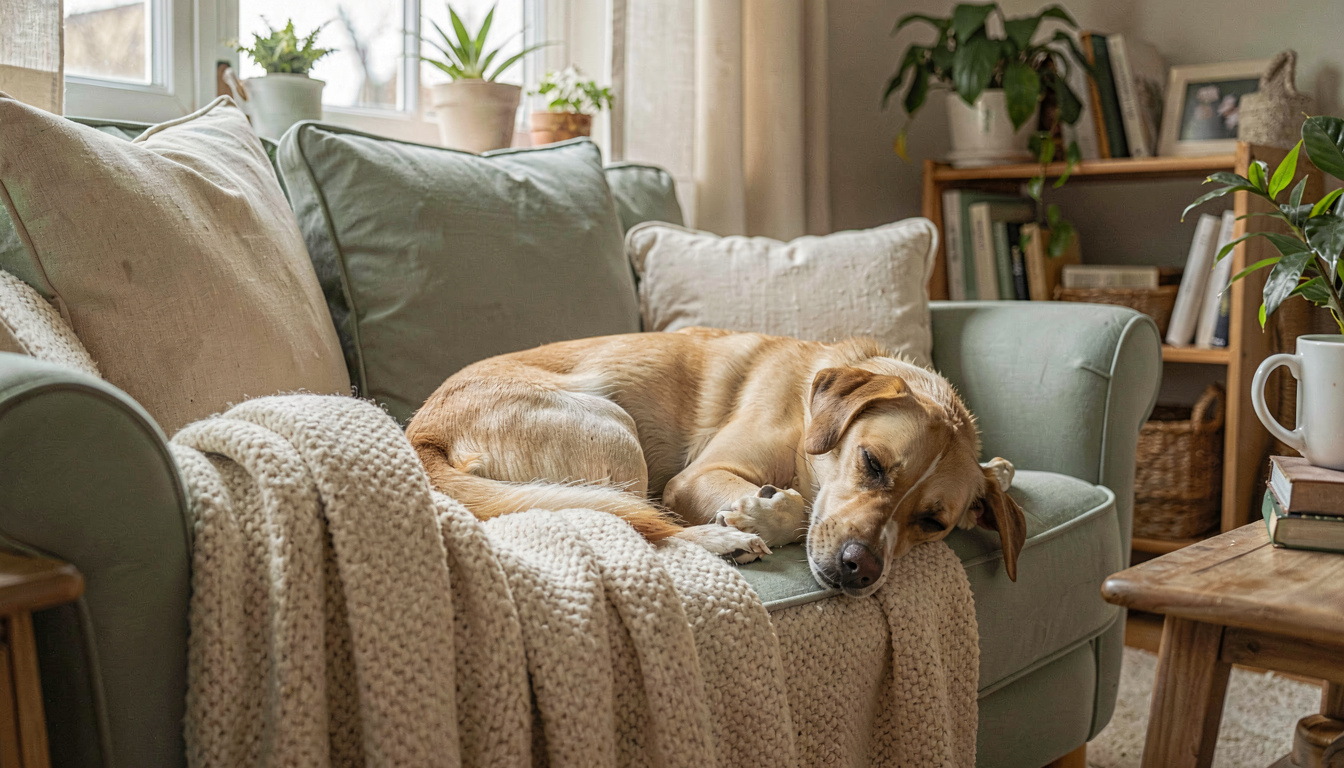
Dogs don’t pick positions randomly. Their posture reflects temperature regulation, emotional security, and physical comfort levels.
Why does my dog sleep curled in a ball?
This “donut” position conserves body heat and protects vital organs. It’s one of the most commonly observed sleep poses among dogs, frequently seen in behavioral studies and everyday observations by pet owners. Small breeds and short-haired dogs use this position more frequently in cold months.
The downside is joint compression. Senior dogs who curl tightly may be trying to relieve arthritis pain rather than seeking warmth. If your dog switches from stretching out to constant curling, check their hips.
Veterinary guidance generally holds that according to the American Kennel Club, dogs who sleep in tight circles need beds with raised bolsters. The walls mimic the protective feeling of denning. Avoid flat mats for these dogs. They’ll likely sleep on your couch cushions instead.
What does it mean when my dog sleeps on their back?
Exposed bellies indicate complete environmental trust. Dogs only flip upside-down when they feel safe from threats. However, this position also serves a cooling function. The belly has less fur and more blood vessels near the skin surface.
Back-sleeping often becomes more common in warmer homes, as dogs seek to maximize heat dissipation through their less-furry belly area. These dogs need breathable fabrics. Memory foam traps heat. Instead, choose gel-infused or elevated beds.
Heavy-coated breeds like Huskies and Malamutes prefer this position year-round. They need firm support that won’t let their hips splay outward. Too-soft mattresses cause muscle strain when they flip back upright.
Why does my dog sleep on their side?
Side sleeping is the REM sleep position. Dogs enter deep sleep cycles here, with visible paw twitching and quiet barking. This posture requires the most spinal alignment support.
The key is mattress thickness. Side sleepers need at least 4 inches of support foam to prevent shoulder pressure points.
Large breeds sink into thin beds. Their joints hit the floor. This causes pressure sores over time. Measure your dog’s weight and choose foam density accordingly.
Look for the “Super-dog” stretch. Front paws forward, back legs extended. This full-body stretch indicates your dog woke up without pain. If they stop stretching, upgrade their mattress immediately.
Why does my dog sleep with their head raised?
Some dogs rest their chin on furniture edges or pillow borders. This position keeps airways open. It’s common in brachycephalic breeds like Pugs and Bulldogs. These dogs need elevated head support.
Many Bulldogs and other brachycephalic breeds often prefer raised head positions during sleep, which can help reduce snoring and improve breathing comfort. They’ll abandon flat beds that force their heads level with their bodies.
Matching Bedding to Sleep Styles
Once you identify the position, match the hardware. The wrong bed wastes money and hurts your dog’s sleep quality.
Which bed type works best for curlers?
Nest beds with 360-degree bolsters satisfy denning instincts. The walls should be 4-6 inches high for small dogs, 8-10 inches for large breeds. Too high blocks airflow. Too low offers no support.
Machine-washable covers are non-negotiable. Curlers press their faces against the fabric daily. Saliva and oils build up fast.
| Feature | Basic Donut Bed | Premium Nest Bed |
|---|---|---|
| Wall Height | 3-4 inches | 6-10 inches |
| Fill Material | Polyester fluff | Memory foam base |
| Best For | Puppies, warm climates | Seniors, anxious dogs |
| Price Range | $25-$45 | $80-$150 |
How do I choose pillows for sprawlers?
Dogs who sleep “Superman” style or flat on their sides need different support than curlers. They push off surfaces with their paws. They need grip.
Orthopedic pillows placed at the head or between the legs reduce hip dysplasia pain. This keeps his hips aligned during REM cycles.
Elevated beds work well for sprawlers in summer. The air circulation cools the belly and groin areas. However, arthritic dogs struggle to climb onto raised platforms. Test the height first.
Which materials work best for hot sleepers?
Dogs who sprawl on cool tile need breathable beds. Gel-infused memory foam runs 3-5 degrees cooler than standard foam. Elevated mesh beds allow full airflow under the belly.
The foam mats made her migrate to the bathroom floor.
Crate Sleeping Positions
Many dogs treat their crate as a bedroom. The position they choose inside reveals whether the space fits correctly.
Is my dog comfortable in their crate?
Dogs should fit in three positions: curled, side-lying, and standing turn-around. If your dog only sleeps in a tight ball inside the crate, the space is too small. This restricts REM sleep.
Choose a crate size that allows full side-stretching. Add a specific crate pad rather than a thick bed that reduces floor space. The pad should be thin but dense.
When should I switch from a crate to a playpen?
Adult dogs who sleep in “superman” positions need floor space. Playpens offer 4x the floor area of standard crates. This allows side-sleeping without wall contact.
Dogs in playpens also display more vulnerable positions. They’ll sleep on their backs or stretch fully. Crate-bound dogs often remain partially tensed, ready to defend territory.
When to Upgrade Your Dog’s Bed
Bedding isn’t permanent. Dogs age. Seasons change. Watch for these signals.
Replace beds when you see position changes. A dog who suddenly stops stretching out may have joint pain. A dog who starts digging at their bed before lying down might be too hot.
The average dog bed loses supportive structure in 12-18 months with daily use. Memory foam develops permanent indentations. Polyester fill clumps. These changes force your dog into uncomfortable positions to compensate.
Check the bed’s surface monthly. Press your hand into the center. Does it spring back immediately? If not, the support is gone. Your dog is essentially sleeping on the floor.
How does bed cleanliness affect sleep positions?
Dogs avoid dirty beds. If your dog suddenly sleeps on the floor, check for odors. Wash covers weekly. Replace filling every 6 months. Dogs have 300 million olfactory receptors. They smell mildew we miss.
Expert Insights on Canine Sleep Posture
Veterinary behaviorists emphasize that sleep positions are diagnostic tools.
Environmental factors matter too. Dogs in multi-pet homes display different positions than single dogs. They curl more to protect resources. They sleep on their backs less unless they have private spaces.
Consider separate playpens for anxious dogs. Visual barriers allow vulnerable sleeping positions that reduce cortisol levels.
Frequently Asked Questions
Should I wake my dog if they look uncomfortable?
No. Dogs enter REM sleep faster than humans. Waking them causes disorientation and stress. Instead, observe from a distance. If they wake naturally and stretch fully, they’re comfortable. If they wake stiff or groaning, check your bedding.
Why does my dog change positions all night?
This is normal. Dogs cycle through sleep stages every 20 minutes. They may curl to get warm, then sprawl to cool off. However, excessive position changes (more than 4 per hour) suggest the bed is too hot, too small, or painful. Try a cooling pillow or larger surface.
Do puppies need different beds than adult dogs?
Yes. Puppies sleep 18-20 hours daily in short bursts. They need washable, waterproof beds for accidents. They also switch positions constantly as they grow. Avoid expensive orthopedic beds until growth plates close at 12-18 months. Use inexpensive mats that allow sprawling and crawling.
Can sleeping positions predict health problems?
Sometimes. Persistent back-sleeping with leg tremors can indicate neurological issues. Constant curling with reluctance to stretch suggests joint pain. Document position changes with photos. Show your vet if patterns shift over 2-4 weeks.
Is it bad if my dog sleeps on the hard floor instead of their bed?
Not necessarily. Some dogs prefer cool tile during summer. However, if they avoid soft surfaces entirely, the bed may retain too much heat or smell wrong. Wash the cover. If they still choose the floor, they may need a firmer mattress or cooler material.
Related Articles
- Best Dog Pillows for Joint Support and Comfort
- Best Dog Crate Overall: Sizing and Setup Guide
- Best Dog Playpens for Safe Sleep Spaces
Last updated: April 11, 2026