Disclosure: As an Amazon Associate I earn from qualifying purchases. This post may contain affiliate links at no extra cost to you.
- What does hip dysplasia limping look like: The classic sign is a “bunny hop” gait where both back legs move together like a rabbit
- When should I call the veterinarian: Call your vet immediately if morning stiffness lasts longer than 30 minutes, or if your dog refuses to jump into the car or onto furniture
- What type of bed helps hip dysplasia most: Choose orthopedic memory foam beds at least 4 inches thick with removable bolsters
- Where should I place my dog’s rest areas: Position beds on every level of your home to eliminate stair climbing
You manage hip dysplasia at home through strict weight control, low-impact exercise, and orthopedic support systems. Most dogs with this genetic condition—especially large breeds like German Shepherds, Labs, and Golden Retrievers—never need surgery if you catch symptoms early. Hip dysplasia is a common concern in large-breed dogs and affects dogs of all sizes, with certain breeds being more predisposed to this hereditary condition. This guide shows you exactly how to spot the warning signs and build a daily care routine that keeps your dog comfortable for years.
Quick Reference: Daily Hip Dysplasia Care
| Task | Frequency | Tools Needed | Time Required |
|---|---|---|---|
| Weight check | Weekly | Scale, body condition chart | 5 minutes |
| Low-impact walks | Twice daily | Harness (no collar) | 10-15 min each |
| Joint supplements | Daily with food | Glucosamine/chondroitin | 2 minutes |
| Range-of-motion exercises | Daily | Yoga mat | 5 minutes |
| Bedding inspection | Weekly | measuring tape | 3 minutes |
Step 1: Spot the Early Warning Signs
Veterinary guidance generally holds that recognizing hip dysplasia early gives you a two-year head start on arthritis prevention. Most owners miss the subtle signals because dogs hide pain instinctively.
What does hip dysplasia limping look like?
The classic sign is a “bunny hop” gait where both back legs move together like a rabbit. Your dog might also stand with their back legs unusually close together or shift weight to their front shoulders, creating a broad chest stance.
When should I call the veterinarian?
Call your vet immediately if morning stiffness lasts longer than 30 minutes, or if your dog refuses to jump into the car or onto furniture. Dogs with hip dysplasia often lick or chew at their hip joints obsessively; this is not grooming, but self-soothing behavior.
Step 2: Set Up a Pain-Free Home Environment
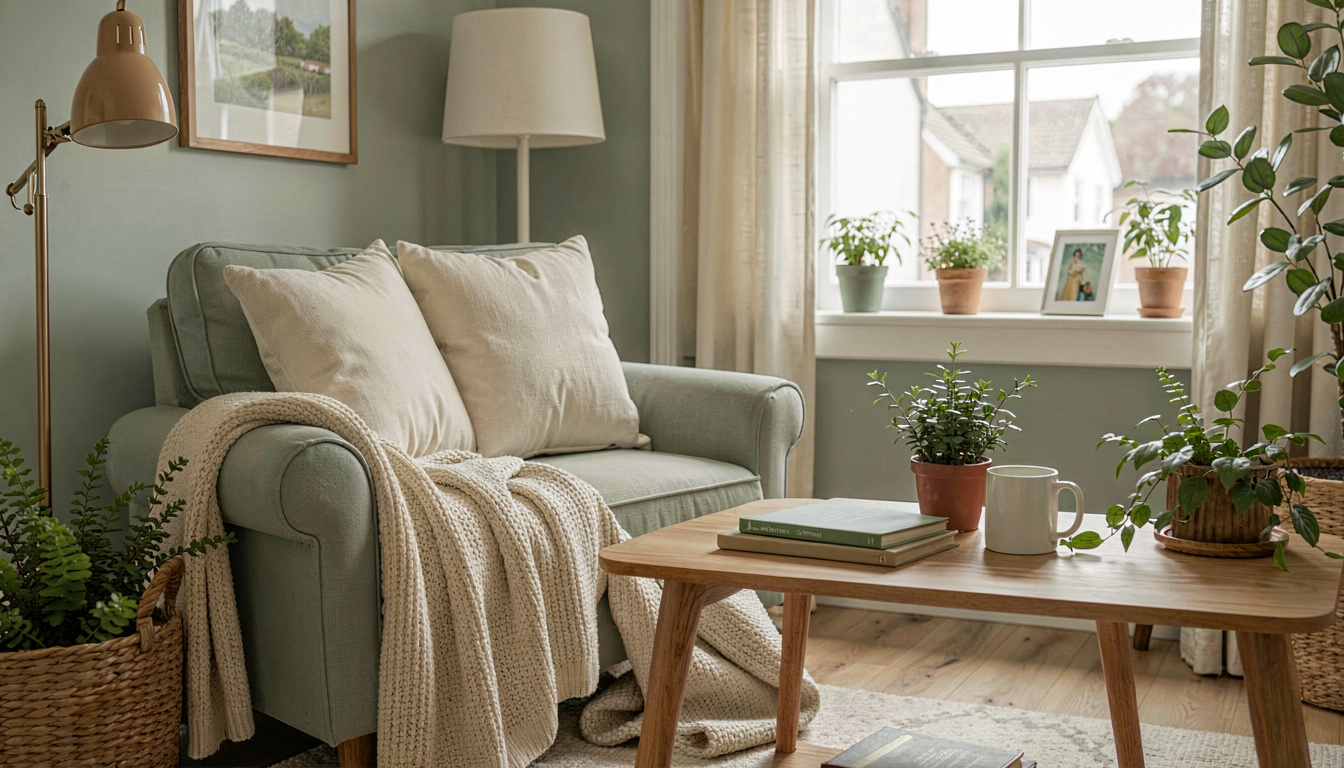
Your flooring and bedding choices determine 40% of your dog’s daily comfort level. Hard surfaces can increase stress on joints compared to softer options like carpet or orthopedic foam bedding.
What type of bed helps hip dysplasia most?
Choose orthopedic memory foam beds at least 4 inches thick with removable bolsters. The foam density should measure 4-5 pounds per cubic foot—anything less collapses under large breeds within three months. Many dogs with hip dysplasia show improved comfort and mobility when provided with supportive, high-density orthopedic bedding that better cushions their joints. See our picks for the Best Dog Beds for Hip Dysplasia Pain.
Where should I place my dog’s rest areas?
Position beds on every level of your home to eliminate stair climbing. Place water bowls within three steps of the primary rest area. If you have hardwood floors, lay yoga mats or rubber-backed runners along all pathways your dog uses daily.
Step 3: Control Exercise Without Stopping It
Complete rest destroys muscle mass that stabilizes loose hip joints. However, running and jumping accelerate cartilage damage. The goal is “controlled conditioning.”
How long should walks be for a dysplastic dog?
Limit walks to two 10-15 minute sessions daily on flat, even surfaces. Avoid hills, stairs, and slippery floors. Dogs maintained at lean body weights live an average of two years longer than overweight counterparts, according to 2025 longevity research from the University of Liverpool.
What exercises strengthen hips safely?
Swimming provides excellent low-impact exercise that allows dogs to build muscle strength while significantly reducing stress on their joints compared to land-based activities. If you lack pool access, use a Best Dog Playpens setup to create a safe, flat exercise zone without the risk of chasing squirrels or rough play with other dogs. Stand-up exercises—using treats to lure your dog from sit-to-stand five times per session—build the gluteal muscles that support the hip joint.
Step 4: Manage Daily Mobility Challenges
Every time your dog jumps into a car or climbs stairs, their hip joints absorb three times their body weight in force. Eliminate these impact moments entirely.
How do I help my dog get in the car?
Use a ramp for vehicles rather than lifting. For dogs under 30 pounds who cannot manage ramps, a sturdy Best Dog Carrier distributes weight evenly across your body and prevents the twisting motion that hurts their hips. Always support the chest and hindquarters simultaneously when lifting—never grab the front legs only.
What ramps work best for indoor stairs?
Choose folding aluminum ramps with sandpaper texture, maintaining a maximum 20-degree angle. Ramps steeper than 25 degrees force dogs to launch themselves, defeating the purpose. Measure your dog’s shoulder height; the ramp must be at least as wide as your dog is tall at the shoulder.
Common Mistakes to Avoid
Most owners accidentally make hip dysplasia worse while trying to help. Maintain a body condition score of 4-5 out of 9— you should feel ribs without pressing hard.
Expert Insights
Recent veterinary research confirms that combining multiple therapies works better than single treatments.
Frequently Asked Questions
Can hip dysplasia be cured without surgery?
No, the structural defect in the hip joint cannot be reversed, but symptoms can be managed indefinitely. Most dogs live full, comfortable lives through weight management, supplements, and pain control.
At what age do symptoms usually start?
Symptoms appear between 4-12 months in rapidly growing puppies, or after age 6 in senior dogs with arthritis. Large breeds typically show earlier signs than small breeds.
Is walking good for dogs with hip dysplasia?
Yes, if kept short and on flat surfaces. Walking maintains muscle mass that stabilizes the joint. However, running, jumping, and swimming for hours can worsen cartilage damage.
How much does non-surgical management cost monthly?
Expect $50-200 monthly as of 2026. This includes high-quality joint supplements ($30-60), prescription medications ($20-100), and orthopedic bedding amortized over its lifespan.
When is surgery necessary?
Total hip replacement offers 95% return to normal function, but costs $3,500-7,000 per joint.
Related Articles
- Best Dog Beds for Hip Dysplasia Pain
- Best Dog Carrier
- Best Dog Playpens
Last updated: April 11, 2026
1 thought on “Dog Hip Dysplasia Symptoms Care”