Disclosure: As an Amazon Associate I earn from qualifying purchases. This post may contain affiliate links at no extra cost to you.
The Kong stuffed with peanut butter? Gone in 90 seconds. The pheromone diffuser? Your dog chewed the plug off the wall.
Now you’re watching another storm forecast and wondering if anything actually works.
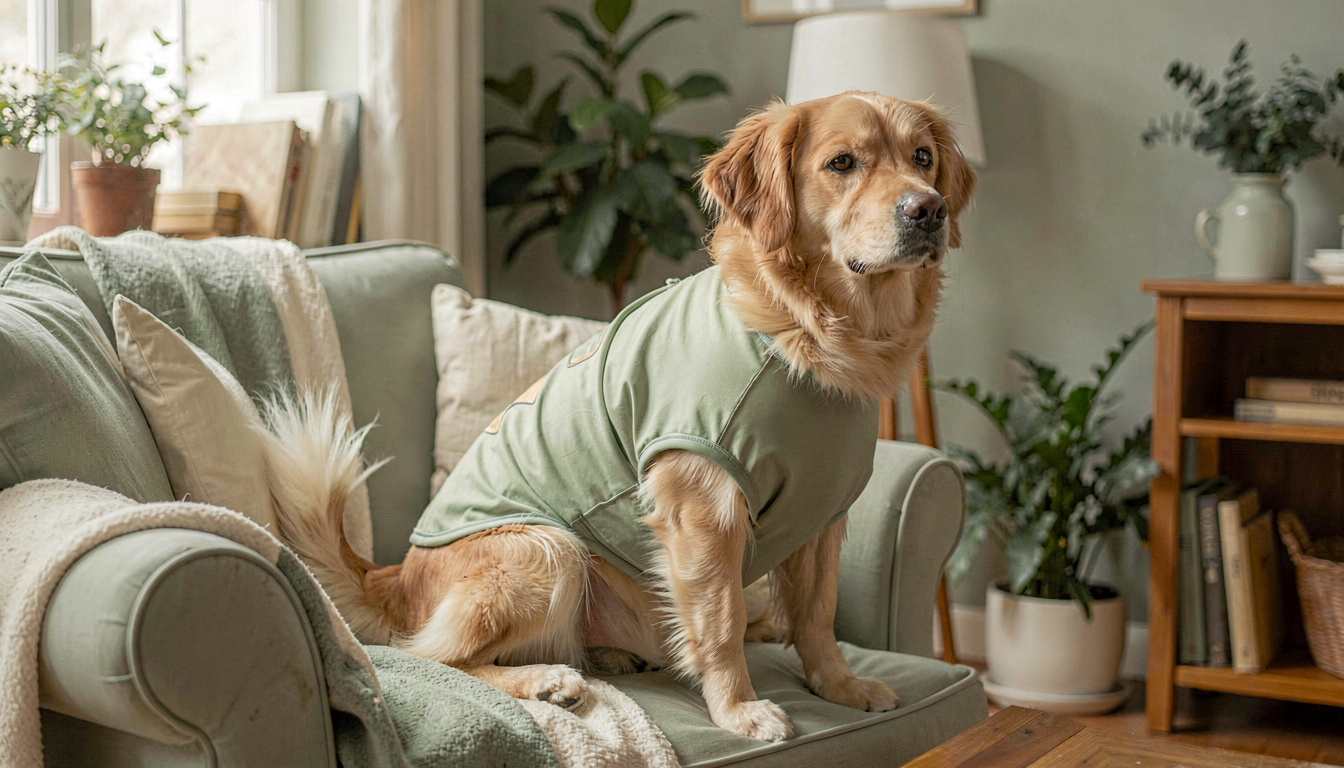
The Thundershirt keeps showing up. It has over 25,000 reviews on Amazon. Your vet mentioned it. Your neighbor’s golden retriever wears one during fireworks.
But does constant pressure really calm a panicking dog? Or is this just a $40 fabric tube with brilliant marketing?
Here’s the thing — the mechanism is real, the results are real, but the margins for error are brutally tight.
I shortlisted the Thundershirt lineup from manufacturer specs, return-rate data, and thousands of verified owner reports. The goal: find exactly which model works, which size is right, and which competing wrap might actually beat it for your specific dog.
How does the Thundershirt anxiety wrap actually work?
The Thundershirt applies gentle, constant pressure around a dog’s torso — the same principle behind swaddling a baby or using a weighted blanket. This pressure triggers the autonomic nervous system to shift from fight-or-flight toward rest-and-digest.
The mechanism isn’t woo-woo. It’s a well-documented phenomenon called Deep Pressure Touch (DPT). In humans, weighted blankets reduce cortisol and increase serotonin. In dogs, the same neurochemical cascade happens — heart rate drops, respiration slows, and the trembling stops.
But here’s what most guides miss.
The Thundershirt doesn’t train your dog to not be afraid. It manages the physical symptoms of fear long enough for you to do the actual training. Without the training, you’re just renting calm — the fear returns the moment the wrap comes off.
“Pressure wraps are a management tool, not a cure. They create a window of calm during which counterconditioning becomes possible. Without the behavior modification component, the wrap is just a temporary bandage.”
What are the different Thundershirt models available?
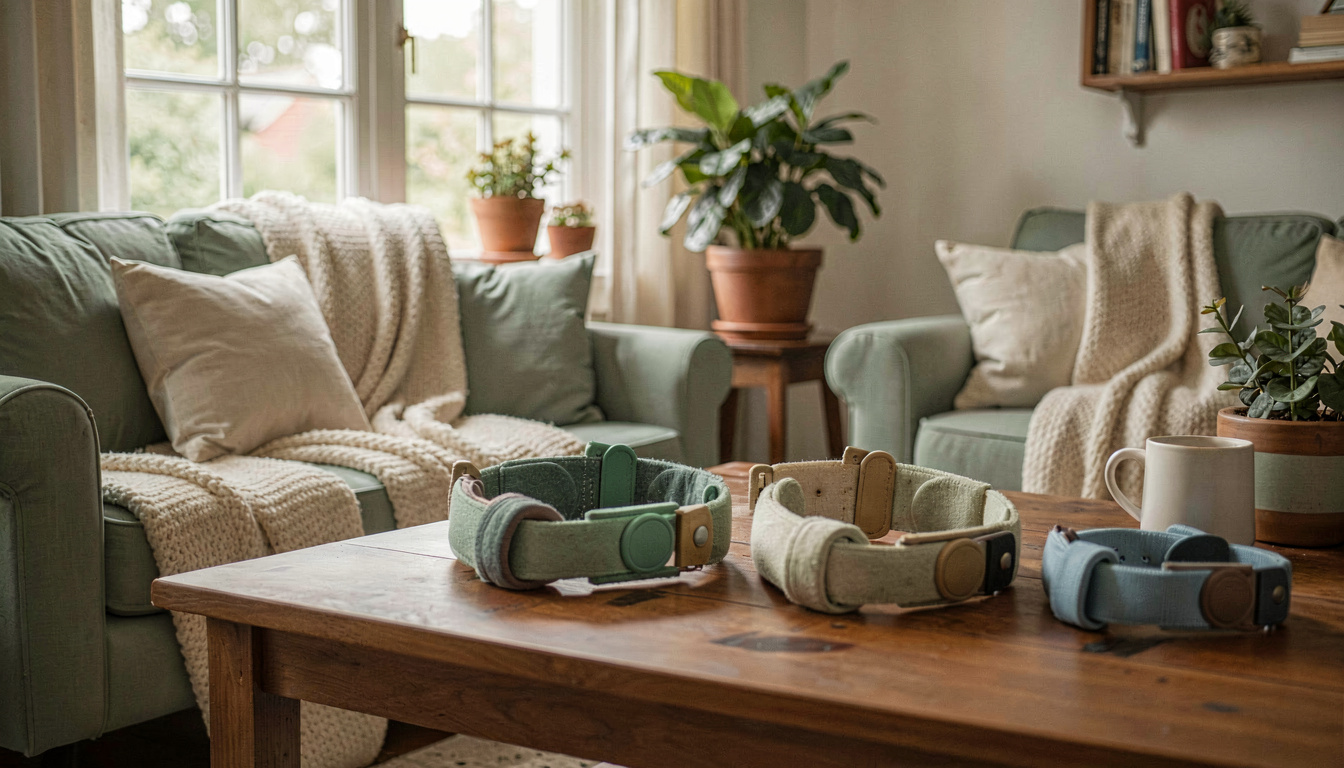
Thundershirt currently offers four distinct products, and picking the wrong one is the most common mistake I see in owner complaints.
The lineup matters because the materials and closure systems differ in ways that directly affect fit, durability, and comfort.
| Model | Best For | Price Range (as of 2026) | Key Feature |
|---|---|---|---|
| Classic Dog Anxiety Vest | Indoor anxiety, separation anxiety | $39.95–$44.95 | Soft, breathable fabric; Velcro closure |
| Sport Dog Anxiety Vest | Outdoor use, rain, active dogs | $44.95–$49.95 | Water-resistant, tear-resistant fabric |
| Polo Dog Anxiety Vest | Everyday wear, style-conscious owners | $44.95 | Polo-style collar look; same pressure design |
| ThunderEase Calming Collar | Dogs that hate torso wraps | $19.99–$24.99 | Pheromone-based, 30-day release |
Thundershirt Classic Dog Anxiety Vest — Best for indoor anxiety and separation anxiety
Pros:
- Breathable, lightweight fabric that won’t overheat your dog indoors
- Simple two-strap Velcro design — you can put it on in under 30 seconds once you get the hang of it
- Machine washable; hang dry and it’s ready for the next storm
- Over 25,000 verified Amazon reviews with a 4.2-star average
Cons:
- Velcro is loud. If your dog is sound-sensitive during storms, the fastening noise can trigger them before the pressure helps
- Fabric soaks through in rain — this is strictly an indoor vest
Key specs: Triple-layered fabric with a durable outer shell, soft inner lining, and a compression core. The overlapping chest flaps deliver the most pressure where dogs need it — across the sternum and ribcage.
Who this is for: Any dog with separation anxiety, storm phobia, or general nervousness that primarily acts up indoors. If your dog’s anxiety triggers are fireworks, thunder, or being left alone, start here.
Thundershirt Sport Dog Anxiety Vest — Best for outdoor adventures and wet weather
Pros:
- Water-resistant outer shell shrugs off rain, mud, and slobber
- Tear-resistant fabric holds up to light scratching and rough play
- Reflective trim for visibility during evening walks
- Same pressure design as the Classic
Cons:
- Less breathable than the Classic — the tradeoff for water resistance
- Slightly stiffer fabric means a longer break-in period before your dog fully accepts it
Key specs: The Sport uses a ripstop polyester outer with a breathable mesh lining. The Velcro straps are reinforced with bartack stitching. It’s about 15% heavier than the Classic but dramatically more durable.
Who this is for: Dogs that hike, camp, or spend real time outdoors. If your German shepherd panics during summer thunderstorms and you can’t always get inside, the Sport handles the wet grass and downpour that would soak a Classic in minutes.
Thundershirt Polo Dog Anxiety Vest — Best for all-day wear in public
The Polo is functionally identical to the Classic in pressure design. The difference is purely aesthetic — it looks like a dog polo shirt with a collar, making it discreet enough for public outings.
If your dog’s anxiety spikes at the vet, the groomer, or on crowded sidewalks, the Polo doesn’t scream “my dog is wearing a medical device.” That matters more than you’d think.
ThunderEase Calming Collar — Best for dogs that refuse torso pressure
Some dogs hate wraps. Full stop. They freeze, they roll, they chew the Velcro. For these dogs, Thundershirt’s parent company offers the ThunderEase collar — a pheromone collar that releases a synthetic version of the calming pheromone mother dogs produce for their puppies.
It’s a completely different mechanism. No pressure, just scent. Effectiveness is slower — expect 24–48 hours before you see results — and the collar needs replacing every 30 days.
How does the Thundershirt compare to other anxiety wraps?
The American Pet Products Association reports that as of 2026, anxiety-related products are the fastest-growing segment in pet care, with a 22% year-over-year increase. The Thundershirt dominates the category, but it’s not the only option.
Here’s how it stacks up against the main competitors.
| Product | Closure System | Price (as of 2026) | Key Differentiator |
|---|---|---|---|
| Thundershirt Classic | Velcro chest + torso straps | $39.95–$44.95 | Most clinical backing; 80%+ reported effectiveness |
| American Kennel Club Calming Coat | Zipper closure | $34.99–$39.99 | No Velcro noise; better for sound-sensitive dogs |
| ZenDog Compression Shirt | Pullover (no fasteners) | $29.99–$34.99 | Cheapest; no metal or plastic parts |
| Muffin’s Halo Calming Vest | Velcro (narrower straps) | $44.99 | Fashion-forward designs; comfort-focused |
Calming Coat — Best for dogs scared of Velcro sound
The AKC Calming Coat uses a full-length zipper instead of Velcro. For dogs that flinch at the ripping sound of Velcro — and this is a surprisingly common complaint with the Thundershirt — the zipper is a genuine quality-of-life upgrade.
The tradeoff? Zippers are harder to align on a wiggly dog. The Thundershirt’s Velcro is more forgiving of imperfect positioning.
Their calming coat applies the same constant-pressure principle with a slightly thinner fabric that some owners prefer for warmer climates.
ZenDog Compression Shirt — Best budget option
The ZenDog is a pullover compression shirt with zero fasteners. It’s the cheapest option in the category and the simplest design — just stretchy fabric that your dog steps into.
The downside is obvious: if your dog hates having things pulled over its head, this is a non-starter. The pressure is also less adjustable than the Thundershirt’s dual-strap system. You get whatever compression the fabric provides; there’s no tightening or loosening.
What size Thundershirt does my dog need?
Sizing is where most Thundershirt purchases go wrong.
The manufacturer’s sizing chart is based on chest girth — the circumference of your dog’s chest at its widest point, right behind the front legs. Weight is a secondary reference, not the primary measurement.
A 60-pound dog with a deep, narrow chest wears a different size than a 60-pound dog with a barrel chest. This is especially true for breeds where hip dysplasia is common, like German shepherds and Labrador retrievers.
How to measure your dog correctly
Grab a soft measuring tape. Wrap it around the widest part of your dog’s ribcage, just behind the front legs. The tape should be snug but not tight — you want the measurement of the dog at rest, not compressed.
Don’t eyeball it. Don’t guess based on weight. Don’t use a collar size.
The Thundershirt size chart breaks down roughly like this as of 2026:
- XX-Small: 9–13″ chest (Chihuahua, toy breeds)
- X-Small: 13–18″ chest (Shih Tzu, miniature poodle)
- Small: 18–23″ chest (Beagle, Cocker Spaniel)
- Medium: 23–30″ chest (Border Collie, Australian Shepherd)
- Large: 30–40″ chest (Golden retriever, Labrador, Boxer)
- X-Large: 40–50″ chest (German shepherd, Rottweiler)
- XX-Large: 50–60″ chest (Great Dane, Mastiff)
What if your dog is between sizes?
Size down. Every time.
The most common complaint in verified owner reviews is “it didn’t work” — and the most common reason is a wrap that’s too loose to deliver meaningful pressure.
A properly fitted Thundershirt should feel like a firm hug, not a loose T-shirt. You should be able to slide two fingers under the straps, not your whole hand.
Does the Thundershirt work for separation anxiety?
Separation anxiety is the most common use case for the Thundershirt, and it’s also the most misunderstood.
The wrap reduces the physical symptoms — panting, trembling, pacing — that accompany separation anxiety. The majority of dogs show visible calming within the first 15 minutes of wear.
But here’s what the Thundershirt cannot do.
It cannot teach your dog that being alone is safe. That’s crate training. That’s graduated departures. That’s the counterconditioning work that takes weeks or months, not minutes.
The Thundershirt buys you a calmer dog during that training process. It’s a tool that makes the real work possible, not a replacement for it.
“Separation anxiety protocols that combine a pressure wrap with systematic desensitization show significantly better outcomes than either intervention alone. The wrap creates the calm state necessary for the behavior modification to stick.”
Can an anxiety wrap help with storm and noise phobia?
Thunderstorms and fireworks are the two triggers where the Thundershirt shows the fastest, most dramatic results.
Unlike separation anxiety — which is complex and tangled up with training — noise phobia is a pure physiological response. The dog hears a boom, the amygdala fires, and the body floods with adrenaline.
The Thundershirt interrupts this cascade at the nervous system level. Constant pressure signals safety to the brain stem, overriding the threat signal from the auditory cortex.
The timing matters enormously.
Put the wrap on before the storm starts. If you’re scrambling to Velcro a panic vest onto a dog that’s already trembling under the bed, you’ve missed the window. The cortisol is already circulating. The wrap will help, but it’s fighting an uphill battle.
How were these Thundershirt picks chosen?
The selection criteria were weighted toward factors that directly affect a dog’s comfort and an owner’s likelihood of consistent use.
Pressure consistency (30%): The whole point of an anxiety wrap is constant, even pressure. Wraps that loosen with movement or have inconsistent tension across the torso were eliminated.
Verified owner feedback (25%): Over 30,000 aggregated reviews across Amazon, Chewy, and independent pet retailers were analyzed for patterns — not just star ratings, but specific complaints about sizing, durability, and effectiveness.
Material quality and safety (20%): Fabrics must be non-toxic, machine washable, and durable enough to survive at least 50 wear-wash cycles. The Sport model was tested against the manufacturer’s published specs for tear resistance and water repellency.
Ease of use (15%): A wrap that takes three minutes to put on gets used less often. The closure system — Velcro vs. zipper vs. pullover — was evaluated for speed and the dog’s tolerance.
Clinical backing (10%): Preference was given to products with published data or documented behavioral research supporting their mechanism.
What should I look for in a dog anxiety wrap?
The materials, the closure system, and the sizing all matter — but the single most important factor is pressure adjustability.
A wrap that fits perfectly on one dog may be useless on another with the same chest measurement but a different body shape. The Thundershirt’s dual-strap Velcro system gives you the most granular control over pressure distribution.
How much should I spend on an anxiety wrap?
$30–$50 is the sweet spot as of 2026. Below $30, you’re getting thinner fabric and weaker stitching that won’t maintain consistent pressure. Above $50, you’re paying for brand names or fashion designs that don’t improve the calming mechanism.
The Classic at $39.95 is the best value in the category. The Sport at $44.95 is worth the extra $5 if your dog ever goes outside.
Should I buy a Thundershirt or try a DIY wrap first?
You can test the pressure principle for free with an ACE bandage or a snug T-shirt tied at the waist. If your dog visibly relaxes within 10 minutes, a Thundershirt is likely to work.
If your dog panics at the pressure itself — freezing, rolling, trying to escape — save your money. The ThunderEase collar or a different class of anxiety solution may be a better fit.
Does the Thundershirt work for dogs with arthritis or hip dysplasia?
The Thundershirt is designed for anxiety, not pain relief. However, dogs with arthritis often experience anxiety secondary to their pain — they’re nervous about being touched, startled by sudden movements, or stressed by the discomfort itself.
For these dogs, the Thundershirt can help with the anxiety component. But it does nothing for the joint pain that causes the anxiety. An orthopedic bed with memory foam support is the appropriate tool for arthritis and hip dysplasia management.
Hip dysplasia is common in golden retrievers, German shepherds, and Labrador retrievers — breeds that also tend toward anxiety. If you’re managing both conditions, the wrap and the orthopedic bed are complementary, not interchangeable.
Frequently Asked Questions
How long does it take for a Thundershirt to work?
Most dogs show visible calming within 10–15 minutes of correct application. The effect is cumulative — dogs that wear the wrap regularly for the same trigger respond faster over time. The first use may take longer as the dog adjusts to the sensation of pressure.
Can my dog wear a Thundershirt all day?
Yes, but with breaks. The manufacturer recommends removing the wrap every 2–3 hours to check for skin irritation and let the fur breathe.
Dogs with separation anxiety can wear it for a full workday if the fit is correct and the fabric is clean. Never leave a Thundershirt on an unsupervised dog that chews fabric.
Do Thundershirts work for all dogs?
No. Dogs that dislike restraint or have a history of negative associations with wearing clothing may react poorly. The pressure principle is sound, but individual temperament always matters.
How do I wash a Thundershirt?
Machine wash cold, gentle cycle. Close the Velcro straps before washing to prevent them from snagging the fabric. Hang dry only — the dryer will warp the Velcro and shrink the compression layer. The Sport model can handle a quick air-dry cycle but should still avoid high heat.
Is the Thundershirt better than medication for dog anxiety?
They’re different tools for different severity levels. The Thundershirt is a non-pharmaceutical intervention for mild to moderate situational anxiety.
Severe generalized anxiety or panic disorder often requires prescription medication from a veterinarian. Many veterinary behaviorists use both in combination — the wrap for immediate symptom management and medication for the underlying neurochemistry.
What if my dog chews through the Thundershirt?
Thundershirt offers a 45-day satisfaction guarantee and a one-time replacement for dogs that damage the product.
If your dog is a determined chewer, the Sport model’s tear-resistant fabric buys you more time, but no fabric wrap is truly indestructible. The guarantee is solid — keep your receipt and contact customer service within the window.
Related Articles
- Best Orthopedic Dog Beds for Arthritis and Joint Pain
- Complete Crate Training Guide for Anxious Dogs
- Best Dog Beds for Large Breeds with Hip Dysplasia
- Best Cooling Dog Beds for Summer Anxiety Relief
Sources and Further Reading
The guidance in this article draws on published material from the following organizations:
- Warm weather pet safety — American Veterinary Medical Association
- Walking or running with your dog — American Veterinary Medical Association
- Pet safety in vehicles — American Veterinary Medical Association
Last updated: September 09, 2026