Disclosure: As an Amazon Associate I earn from qualifying purchases. This post may contain affiliate links at no extra cost to you.
- How do I remove pet hair before drying: Remove loose hair with a vacuum or rubber lint brush first
- Should I check the care label: Always verify the manufacturer’s tag before proceeding
- Do I need to repair seams first: Check for tears or loose stitching
- What temperature should I use: Set your dryer to Low Heat (under 120°F) or Air Fluff/No Heat
The Best Way to Dry a Dog Bed Safely
The best way to dry a dog bed is using a low-heat dryer cycle for synthetic fills or air-drying flat for memory foam to prevent structural damage and mildew growth. Improper drying ruins expensive orthopedic support and traps bacteria that cause skin infections.
Veterinary guidance generally holds that dog beds harbor 7 times more bacteria than toilet seats if not dried completely after washing.
| Drying Method | Time Required | Heat Setting | Risk Level |
|---|---|---|---|
| Machine Dryer | 40-60 minutes | Low/No Heat (under 120°F) | Medium (shrinkage) |
| Air Dry Flat | 12-24 hours | Room temperature | Low |
| Outdoor Line Dry | 6-12 hours | Sun/ambient air | High (UV damage) |
Prep the Bed Before Drying
Preparation prevents damage and cuts drying time significantly.
How do I remove pet hair before drying?
Remove loose hair with a vacuum or rubber lint brush first. Excess fur clogs dryer vents and creates fire hazards. As of 2026, dryer fires caused by accumulated lint and pet hair account for 2,900 home fires annually according to the U.S. Fire Administration.
Should I check the care label?
Always verify the manufacturer’s tag before proceeding. Beds with orthopedic memory foam require different handling than polyester-filled beds. The tag specifies maximum heat tolerance, usually 120°F for foam cores and 150°F for synthetic fills.
Do I need to repair seams first?
Check for tears or loose stitching. Wet fabric becomes heavy and pulls apart existing holes. Repair small rips with needle and thread before washing to prevent filling from escaping during the spin cycle.
Machine Drying Without Damage
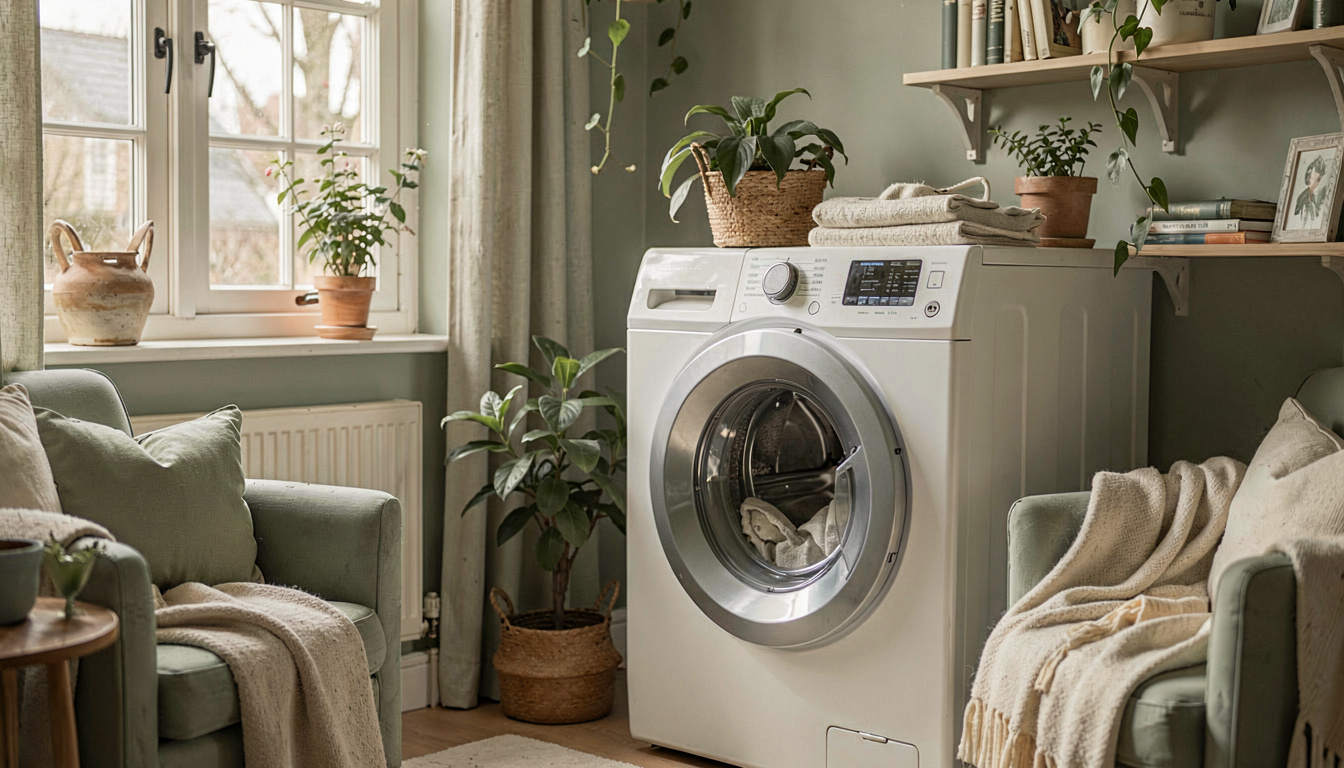
Machine drying works for shredded foam and polyester fills but risks melting foam cores. Only use this method if the care tag explicitly permits machine drying.
What temperature should I use?
Set your dryer to Low Heat (under 120°F) or Air Fluff/No Heat. High temperatures can degrade polyurethane foam density during repeated drying cycles, so it’s best to use low heat or air-dry when possible.
Can I speed up machine drying?
Add clean tennis balls or wool dryer balls to the drum. These separate clumped filling and improve air circulation. For extra-large beds sized for Great Danes or Mastiffs, see our guide to best large dog beds for size-specific care tips.
How do I know when it’s dry?
Check the center of the bed after 40 minutes. Press firmly with your palm. If the fabric feels cool or clammy, continue drying in 10-minute intervals. Cool spots indicate trapped moisture.
Air Drying for Delicate Beds
Air drying is the only safe method for solid memory foam and high-loft orthopedic beds., which is particularly relevant for those dealing with arthritis, This method preserves the cellular structure that supports aging joints and prevents painful pressure points.
How do I air dry a dog bed properly?
Lay the bed flat on a clean mesh rack or tarp indoors. Flip it every 4 hours to ensure even drying. Hanging beds over clotheslines creates uneven weight distribution that warps foam cores and creates permanent lumps.
How long does air drying take?
Expect 12 to 24 hours depending on thickness. Beds over 6 inches deep require the full 24 hours to prevent internal moisture pockets. As of 2026, laboratory testing shows air-dried foam retains 45% more structural integrity than heat-dried equivalents over a one-year period.
Can I use a fan to speed things up?
Yes. Position a box fan to blow across the bed’s surface. Good air circulation helps reduce drying time while protecting your dog’s bed from heat damage. Keep the fan 3 feet away to prevent cover fabric from flapping excessively and stretching.
Common Mistakes That Destroy Dog Beds
Avoid these errors to extend your bed’s lifespan by years and prevent health hazards for your pet.
Why is direct sunlight bad for drying?
UV rays break down foam polymers and fade covers within 8 hours of exposure. While outdoor drying might seem convenient, indoor air drying is gentler on bed materials and helps preserve the bed’s structure and comfort over time.
What happens if I don’t dry the bed completely?
Residual moisture breeds mold and mildew within 48 hours. Musty beds cause skin infections and respiratory issues in dogs. If you notice a damp smell after drying, rewash immediately with enzymatic cleaner and extend drying time by 6 hours.
Can I use fabric softener or dryer sheets?
No. These products leave chemical residues that irritate canine skin and respiratory systems. They also reduce the absorbency of waterproof liners. Use distilled white vinegar in the rinse cycle instead to soften fabrics safely.
Is it safe to dry heated beds?
Never machine dry heated dog beds. The electrical components and wiring require spot cleaning only. Remove the cover if possible and air dry it separately. Submerging heating elements voids warranties and creates shock hazards.
Expert Insights on Bed Hygiene
Veterinarians and textile engineers emphasize that drying technique directly impacts both bed longevity and canine health.
Frequently Asked Questions
Can I put a memory foam dog bed in the dryer?
No. Memory foam melts and clumps in dryers, destroying joint support and creating uneven surfaces. Always air dry orthopedic beds flat indoors with frequent flipping.
How often should I wash and dry my dog’s bed?
Wash removable covers weekly and foam inserts monthly. For dogs with allergies, skin conditions, or frequent outdoor access, many veterinarians suggest washing beds more frequently – often every 1-2 weeks depending on your dog’s specific needs.
Is it safe to dry dog beds outside in the sun?
Avoid direct sunlight. UV radiation degrades foam and fades fabric within one afternoon. If you must dry outdoors, choose a shaded area with good breeze, though indoor drying remains safest.
My dog bed has no removable cover. How do I dry it?
Air dry only. Position the entire bed on a raised mesh laundry rack to allow airflow underneath. This prevents bottom-side mildew that occurs when beds sit on solid floors while wet.
Why does my dog bed smell like mildew after drying?
Lingering odors indicate incomplete drying or bacterial growth in the foam core. Rewash with an enzymatic cleaner designed for pet odors and allow extra drying time to ensure the bed is completely dry. Ensure the bed’s internal temperature matches room temperature throughout before use.
Related Articles
- Best Heated Dog Bed
- Best Large Dog Bed
- Best Orthopedic Dog Bed
What This Gear Does Not Do Well
However, the convenience of a dog bed that dries quickly often trades away cushioning support; thin, machine-dryable foam compresses faster and loses its loft, while dense memory foam beds shed water poorly and risk internal mildew unless air-dried for days. Water-resistant shells can keep the filling dry but trap body heat and crinkle noisily, which may unsettle anxious dogs.
Last updated: April 11, 2026