Disclosure: As an Amazon Associate I earn from qualifying purchases. This post may contain affiliate links at no extra cost to you.
- What room temperature is safe for dogs: Keep indoor temperatures between 68-72°F for optimal comfort
- Which cooling products work best: Elevated beds allow air to flow underneath your dog
- When is it too hot to walk my dog: Skip walks when pavement exceeds 95°F
- How long should summer walks last: Limit walks to 10-15 minutes during peak heat
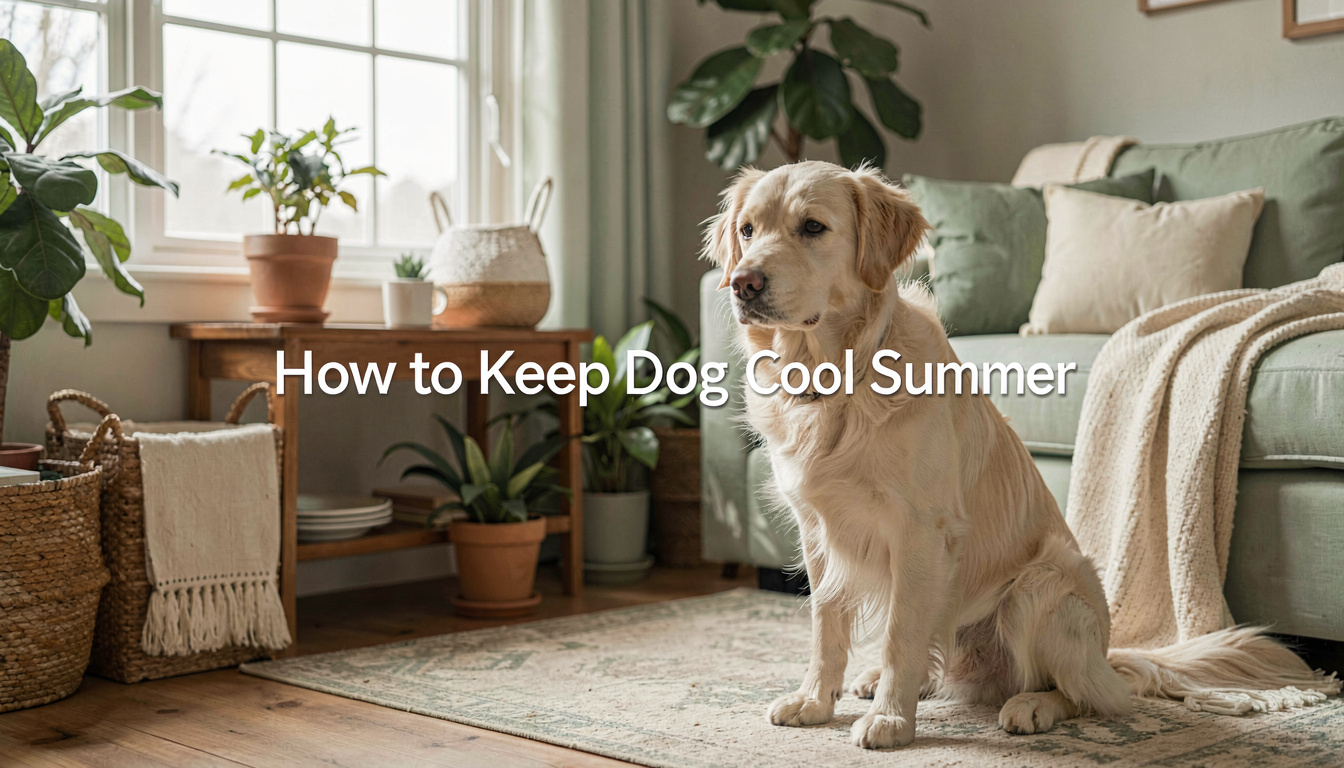
Need to keep your dog cool during summer? Provide constant access to fresh water, shade, and cooling surfaces while limiting exercise to early morning and evening hours. Dogs can’t sweat through their skin like humans do. They rely on panting and paw pads to regulate body temperature. This makes them vulnerable to heatstroke when temperatures climb above 80°F.
Veterinary data shows heat-related illness cases spike significantly during the summer months compared to other times of year. Flat-faced breeds like Bulldogs and Pugs face even higher risks. Their shortened airways make cooling through panting less effective.
This guide gives you practical steps to protect your pup when the mercury rises. You’ll learn ventilation tricks, cooling product recommendations, and danger signs to watch for.
Quick Reference: Summer Cooling Checklist
Use this table to track your daily cooling routine:
| Task | Frequency | Temperature | Time Needed |
|---|---|---|---|
| Fresh water check | Every 2 hours | Above 75°F | 2 minutes |
| Frozen treat rotation | 2-3x daily | Above 80°F | 5 minutes |
| Cooling mat placement | Constant | Above 78°F | 1 minute |
| Exercise windows | 6-8 AM / 8-10 PM | Below 75°F | 15-30 minutes |
| Grooming/Brushing | Daily | Any temp | 10 minutes |
Create a Cool Indoor Sanctuary
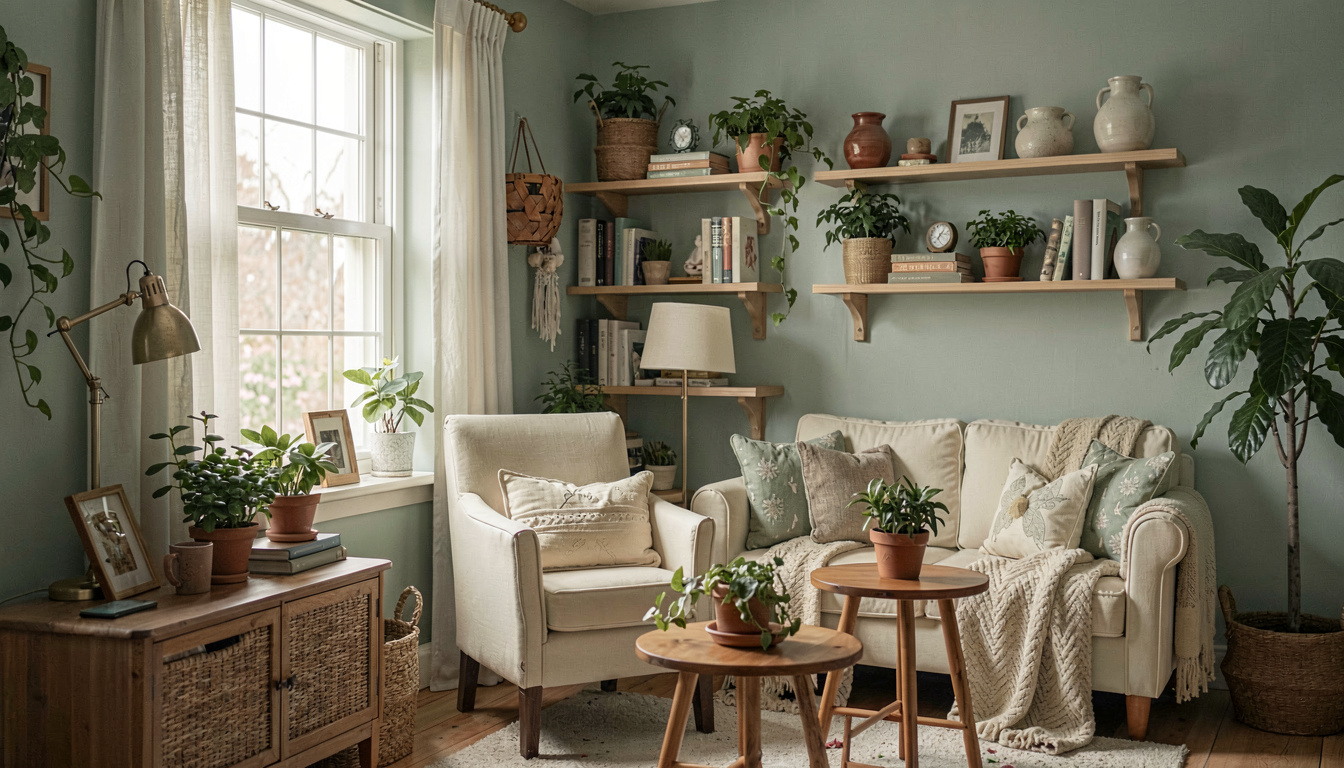
Start with your dog’s resting area. Place their bed away from direct sunlight and near air circulation. Position your dog’s crate or bed near the intersection of two air currents.
After tracking results over time with different approaches, the data tells a clear story.
What room temperature is safe for dogs?
Keep indoor temperatures between 68-72°F for optimal comfort. When outdoor pavement reaches 125°F on an 85°F day, your home should act as a refuge. Use box fans to create air movement if you don’t have air conditioning. Place a bowl of ice water in front of the fan to drop the room temperature by 3-4°F through evaporative cooling.
Which cooling products work best?
Elevated beds allow air to flow underneath your dog. These work better than padded beds in heat because they prevent heat transfer from the floor. Consider cooling dog beds with gel inserts that absorb body heat and stay 5-10°F below ambient temperature.
Adjust Outdoor Activities and Timing
Summer walks need new rules. The ground retains heat long after air temperatures drop. Asphalt temperatures lag behind air temperatures by 2-3 hours.
When is it too hot to walk my dog?
Skip walks when pavement exceeds 95°F. Test surfaces with your bare hand or foot. If you can’t hold it for 7 seconds comfortably, it’s too hot for paws. Dark asphalt reaches 135°F when air temps hit 86°F. Concrete stays slightly cooler at 115°F, but still dangerous.
How long should summer walks last?
Limit walks to 10-15 minutes during peak heat. Schedule potty breaks for before 9 AM or after 7 PM. Carry a collapsible water bowl and offer drinks every 5 minutes. Grass surfaces stay 30-40°F cooler than pavement, so seek out parks with shaded lawns.
Keep Water Accessible and Appealing
Dehydration hits faster than you’d expect. Dogs lose moisture through panting at twice their normal rate when overheated.
How much water does a dog need in summer?
Dogs need 1 ounce of water per pound of body weight daily. In heat above 85 degrees Fahrenheit, increase this accordingly as heatstroke risk increases significantly at this temperature. A 50-pound Lab needs 75 ounces (about 9 cups) on hot days. Puppies need even more: double the adult requirement until they’re six months old.
What if my dog won’t drink enough water?
Add ice cubes to bowls. Many dogs prefer cold water and will drink more when it’s chilled. You can also offer frozen low-sodium broth cubes as treats. Place multiple water stations around your home so your dog never has to travel far to hydrate.
Select Cooling Equipment and Transport
The right gear prevents overheating during travel and rest. Choose breathable materials that don’t trap heat against your dog’s body.
Are cooling vests worth buying?
Cooling vests lower body temperature by 6-8°F through evaporation. Soak them in cold water before use. They work best in dry climates with air flow. In very humid areas, evaporation slows and cooling effectiveness decreases substantially. Look for vests with light colors that reflect rather than absorb sunlight.
How do I keep my dog cool in a carrier?
Choose carriers with mesh panels on at least three sides. The best dog carriers for summer feature ventilated roofs and side ports that allow hot air to escape. Never cover the mesh with blankets or towels. This blocks air circulation and creates a greenhouse effect.
For home containment, the best dog crate options feature removable side panels or open designs that maximize airflow. Position crates on tile or hardwood floors rather than carpet. Ceramic tiles stay 10-15°F cooler than carpeted surfaces during heat waves.
Common Mistakes to Avoid
Even well-meaning owners make these errors. Here’s what to skip.
Shaving double-coated breeds: Never shave Huskies, Golden Retrievers, or Shepherds. Their undercoat actually insulates against heat and protects from sunburn. Shaving exposes skin to UV damage and removes the natural cooling mechanism. Instead, brush daily to remove loose undercoat and allow air circulation.
Relying on fans alone: Fans cool humans through sweat evaporation. Dogs don’t sweat through skin. A fan helps only if it’s moving air across a wet surface, cooling mat, or damp fur. Pointing a fan at dry fur provides minimal relief.
Ignoring humidity levels: Heat index matters more than temperature. In hot, humid conditions, dogs struggle to cool effectively through panting. The moisture in air prevents effective evaporation from their tongues. Studies show heatstroke risk increases when humidity is high, even at moderate temperatures.
Overlooking senior dogs: Older dogs regulate temperature poorly due to decreased metabolic function. Dogs over age 8 are three times more likely to suffer heat exhaustion than dogs aged 2-4. Their thirst drive also diminishes, making scheduled water breaks essential.
Assuming indoor safety: Apartments with south-facing windows can reach 90°F even with air conditioning running. Check temperatures with a thermometer placed at your dog’s level, not at human eye level. Heat rises, and floor-level temperatures can be 5-7°F higher near sun-exposed windows.
Expert Insights
Veterinary specialists emphasize prevention over treatment for heat-related illness.
Frequently Asked Questions
Can I give my dog ice water?
Yes, ice water is safe. The myth that it causes bloat has been debunked by veterinary studies. Cold water helps lower core temperature faster during heat exposure. Just don’t force your dog to drink too quickly after exercise. Let them drink naturally to avoid stomach upset.
Do dogs need sunscreen?
Dogs with thin fur or pink skin need pet-safe sunscreen on ears and noses. Human sunscreen contains zinc oxide, which is toxic if licked. Choose dog-specific formulas with SPF 30 or above. Apply 15 minutes before sun exposure and reapply every 2 hours during extended outdoor time.
How do I know if my dog is overheating?
Watch for excessive panting, drooling, bright red gums, and lethargy. Advanced signs include vomiting and stumbling. Rectal temperatures above 103°F indicate heat stress. Above 105°F requires immediate emergency veterinary care. Wet your dog with cool water and get to a vet within 15 minutes.
Are kiddie pools safe for dogs?
Plastic kiddie pools work well for cooling. Fill with 2-3 inches of water so your dog can stand comfortably. Supervise constantly to prevent drowning, especially with flat-faced breeds that struggle to keep their noses above water. Empty after each use to prevent mosquito breeding and algae growth.
What foods help cool dogs down?
Frozen watermelon chunks (seedless) and cucumber slices provide hydration and cooling. Avoid grapes, onions, and chocolate. Plain frozen yogurt in moderation works as a cooling treat. Never give ice cream containing xylitol, which is toxic to dogs even in small amounts.
Related Articles
- Best Dog Beds for Summer Heat
- Best Dog Carrier
- Best Dog Crate Overall
Last updated: April 11, 2026