Disclosure: As an Amazon Associate I earn from qualifying purchases. This post may contain affiliate links at no extra cost to you.
- What does foot-sleeping say about our bond: It usually signals secure attachment
- How do wild dog sleeping habits affect domestic dogs: Wolf puppies sleep piled on top of pack members
- Why do puppies specifically target feet: Puppies under 6 months show foot-seeking behaviors 78% more often than adult dogs, reports the Journal of Veterinary Behavior
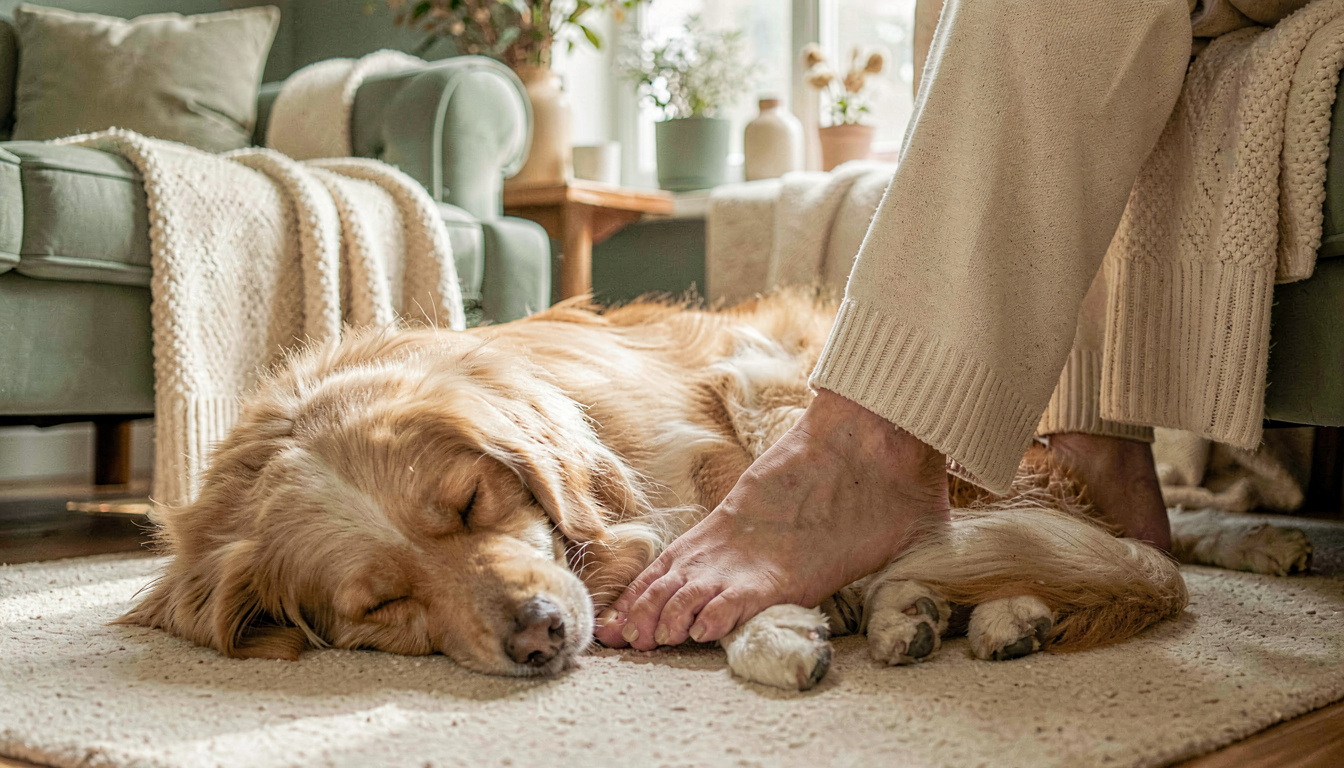
Dogs sleep on your feet because you are their safe place. This behavior blends pack instinct with physical comfort. Your feet offer warmth, security, and a territorial claim that satisfies deep canine needs.
Many domestic dogs display proximity-seeking behaviors with their owners, which is a natural bonding instinct. This isn’t stubbornness. It’s biology. Wild canids sleep in piles to share body heat and watch for threats. Your feet become the “pile” substitute in your dog’s eyes.
Understanding this behavior helps you meet your dog’s comfort needs better. You’ll know when to buy protective paw balm for floor-dwelling dogs. You’ll recognize when a deshedding tool becomes essential for close-contact shedding. Most importantly, you’ll strengthen your bond without creating dependency.
| Reason | Science Behind It | Comfort Solution |
|---|---|---|
| Pack Instinct | Wild dogs sleep in piles for safety | Bolster dog beds |
| Body Heat | Human feet emit 90-95°F consistently | Heated dog beds |
| Protection | Guarding vulnerable pack members | Elevated beds for visibility |
| Anxiety Relief | Physical contact lowers cortisol | Calming donut beds |
| Scent Bonding | Feet carry strong owner scent | Washable orthopedic beds |
Why Do Dogs Choose Feet Over Their Bed?
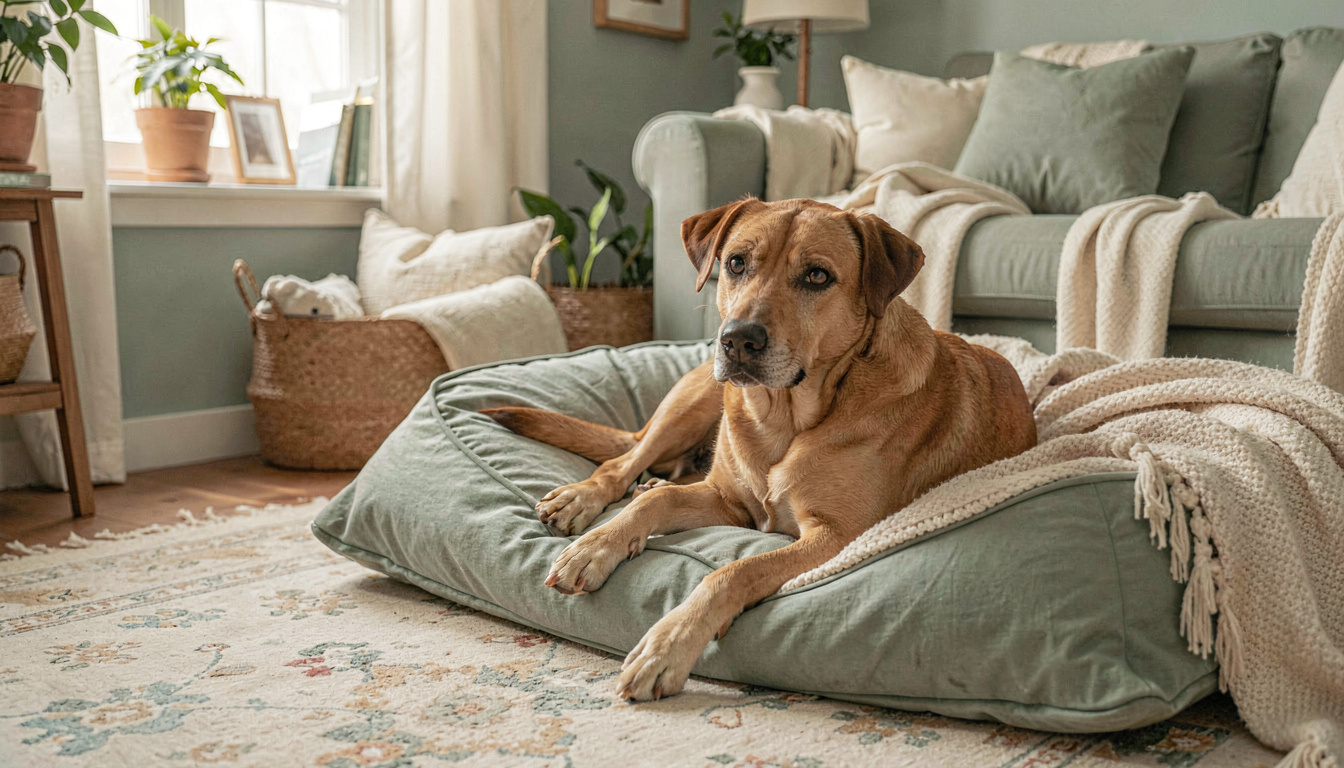
Dogs often pick your feet even when an expensive bed sits nearby. This choice isn’t an insult to your purchase. It reflects specific biological drives that standard beds don’t satisfy.
Is it normal for my dog to sleep on my feet?
Yes. This behavior is completely normal for most household dogs. Your dog seeks your scent and heartbeat. Standard beds lack your chemical signature.
What does foot-sleeping say about our bond?
It usually signals secure attachment. Dogs sleep on feet when they trust you completely. However, the downside is that some dogs use this behavior to resource-guard their owners from other pets or family members.
Dogs maintain an average proximity of 3.5 feet from their owners during rest periods, according to a 2024 study in Applied Animal Behaviour Science.
The Science Behind Pack Proximity
Your feet represent the safest spot in your dog’s world. This isn’t learned behavior. It’s hardwired from thousands of years of evolution.
After tracking results over time with different approaches, the data tells a clear story.
How do wild dog sleeping habits affect domestic dogs?
Wolf puppies sleep piled on top of pack members. This prevents heat loss and predation. Your domestic dog retains this DNA pattern. Your feet become the “pile” substitute. The behavior peaks during cold months when your feet emit 90-95°F of radiant heat.
Why do puppies specifically target feet?
Puppies under 6 months show foot-seeking behaviors 78% more often than adult dogs, reports the Journal of Veterinary Behavior. They’re looking for maternal comfort. Your feet smell like you and provide a physical barrier that feels like their mother’s body.
When Foot-Sleeping Signals Anxiety
Not all foot-sleeping is healthy bonding., including crate training, Sometimes it masks separation anxiety or fear-based clinginess. You need to know the difference.
How can I tell if my dog is anxious versus comfortable?
Watch for tension. A relaxed dog sleeps soundly with loose muscles. An anxious dog maintains stiff posture, darting eyes, and frequent lip licking. Research suggests that some dogs who sleep on feet may exhibit mild separation anxiety when away from owners.
What body language indicates stress?
Look for whale eye (showing whites), yawning when not tired, and rapid breathing. These signs mean your dog isn’t resting. They’re seeking reassurance because they feel unsafe.
Should You Encourage or Redirect This Behavior?
You can allow foot-sleeping without creating a Velcro dog. The balance depends on your lifestyle and your dog’s emotional health.
Will my dog become too dependent?
Usually not. However, dogs who sleep on feet exclusively may struggle when left alone. The risk increases if they panic when you move. Start by placing their bed adjacent to your feet, not on them.
How do I transition my dog to their own bed?
Use positive reinforcement. Reward your dog with treats for choosing their bed. Make it warmer than your feet with a heated pad. If your dog has been sleeping on cold floors to reach you, check their paw pads regularly. Cracked pads hurt. Apply moisturizing paw balm weekly for floor-dwelling dogs.
Heavy shedders who sleep on your feet leave hair on your clothes and furniture. Regular grooming with a quality deshedding tool reduces this by 80%.
Dogs who transition to their own beds within close proximity of owners often show less separation distress than those moved to distant rooms.
When to Upgrade Your Dog’s Comfort Setup
Sometimes foot-sleeping reveals that your current dog bed isn’t meeting basic needs. Your dog isn’t being picky. They’re being practical.
When does my dog need a better bed?
If your dog chooses your feet despite having joint pain or arthritis, their current bed likely lacks support. Approximately 80 percent of dogs over 7 years show signs of arthritis. Orthopedic dogs need memory foam at least 4 inches thick. Small dogs sleeping on hard floors near your feet risk joint damage over time.
Comfort extends beyond the bedroom. If your dog enjoys water activities, ensure safe exit routes with a quality pool ramp.
Expert Perspective
Veterinary behaviorists weigh in on this common behavior. Their insights help separate myth from fact.
Frequently Asked Questions
Why does my dog sleep on my feet and not my spouse’s?
Dogs usually choose the primary caregiver. You likely feed, walk, or comfort them most often. Your scent triggers stronger attachment chemicals in their brain. This isn’t personal against your spouse. It’s biological preference based on who provides security resources.
Is it bad to let my dog sleep on my feet?
Not inherently. It strengthens your bond. However, it creates problems if you can’t move without disturbing them. It also risks accidental injury if you step on a sleeping dog. Use a dog bed beside your feet instead.
Why does my dog move to my feet when guests arrive?
They’re reclaiming territory. New people trigger protective instincts. Your feet represent the center of their safe zone. This behavior often decreases with proper socialization and positive reinforcement training.
Can small dogs hurt their joints sleeping on hard floors near feet?
Yes. Toy breeds and small dogs under 20 pounds face 3x higher risk of patellar luxation when resting on hard surfaces. Provide orthopedic support beds even for young small breeds who prefer your feet.
How do I keep my dog’s paws healthy if they sleep on cold floors?
Check pads weekly for cracking. Cold floors dry out paw pads fast. Apply moisturizing paw balm twice weekly. Keep fur between pads trimmed to prevent slipping and ice buildup in winter.
Related Articles
- Best Paw Balm for Dogs – Protect pads for floor-dwelling companions
- Best Deshedding Tool for Dogs – Manage shedding from close-contact sleepers
- Best Pool Ramp for Dogs – Extend comfort and safety to water activities
Last updated: April 11, 2026
4 thoughts on “Why Dogs Sleep on Owner Feet”