Disclosure: As an Amazon Associate I earn from qualifying purchases. This post may contain affiliate links at no extra cost to you.
- Why does my dog panic when I leave: Your dog panics because their brain floods with stress hormones the moment they detect departure cues
- Which dogs are most at risk: Dogs with unstable early socialization face the highest risk
- How long does it take to develop: Acute anxiety can develop in as little as one traumatic event—like being left during a tornado or fireworks
Dogs develop separation anxiety because they experience genuine panic when detached from their primary attachment figure—that’s you. This isn’t spite or misbehavior. It’s a fear response similar to a human panic attack.
Many dogs referred to veterinary behaviorists suffer from this condition, making it one of the most common canine behavioral issues. Understanding why your specific dog struggles helps you pick the right fix, whether that’s a puzzle toy or a certified behaviorist. Let’s break down the root causes, from genetics to past trauma.
| Cause Category | Common Triggers | Signs to Watch | Immediate Help |
|---|---|---|---|
| Early trauma | Shelter adoption, rehoming, abandonment | Destruction near exits, howling | Consistent routine |
| Genetics | Labs, Border Collies, German Shepherds | Pacing, excessive drooling | Anxiety toys |
| Life changes | Moving, new baby, schedule shift | House soiling, escape attempts | Calming donut beds |
| Over-attachment | Never left alone as puppies | Following you room-to-room | Gradual desensitization |
What Triggers Separation Anxiety in Dogs?
Why does my dog panic when I leave?
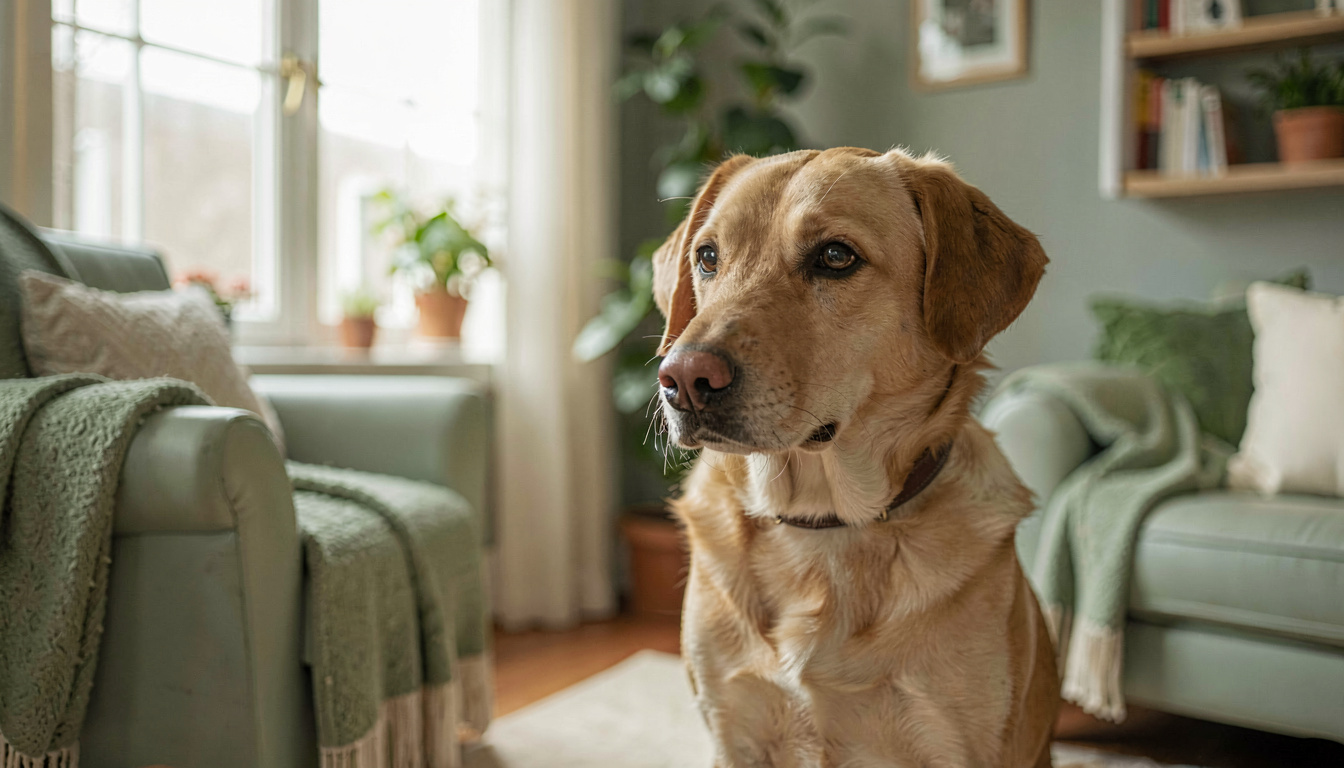
Your dog panics because their brain floods with stress hormones the moment they detect departure cues. Keys jingling. Shoes clicking. These sounds become conditioned fear triggers through classical conditioning. Your dog learns that these signals predict isolation, and their body responds with fight-or-flight chemistry.
One foster destroyed three doorframes before I installed cameras. The footage showed immediate panting and circling—not gradual boredom, but instant distress.
Research suggests that dogs with separation anxiety often experience significant life changes shortly before symptom onset.
Which dogs are most at risk?
Dogs with unstable early socialization face the highest risk. Puppies removed from litters before eight weeks often miss important independence lessons. Adults adopted from shelters carry higher trauma rates. Single-person households create stronger individual bonds that hurt more when broken.
However, the downside is that high-intelligence breeds often suffer more. They notice patterns faster and worry longer.
How Does Past Trauma Affect Anxiety?

Do rescue dogs have more anxiety?
Yes. Shelter dogs show anxiety at nearly twice the rate of dogs raised in single homes from puppyhood. They’ve often experienced abandonment, multiple rehomings, or unpredictable schedules. This creates an expectation that humans disappear permanently.
Dogs in shelter environments commonly display signs of separation distress, often at higher rates than pets in stable home situations. Once adopted, these dogs may take 3-6 months to realize your departures are temporary.
How long does it take to develop?
Acute anxiety can develop in as little as one traumatic event—like being left during a tornado or fireworks. Chronic anxiety builds over weeks of inconsistent schedules. Senior dogs may develop it suddenly due to cognitive decline similar to dementia.
Can Routine Changes Cause Anxiety?
Why did my dog suddenly develop anxiety?
Sudden shifts in your daily schedule disrupt your dog’s sense of security. Dogs are creatures of habit. They expect walks at 7 AM and dinner at 6 PM. When you switch from night shifts to day shifts—or start commuting after working from home—their world feels unsafe.
A 2021 study in Animals journal reported a 700% increase in separation anxiety cases following COVID-19 stay-at-home orders (2021). “Pandemic puppies” accustomed to constant companionship now face real alone time without coping skills.
How do work-from-home transitions trigger this?
Constant proximity creates “Velcro dogs.” When these dogs finally face solitude, they lack the emotional tools to self-soothe. The transition from 24/7 availability to 8-hour absences feels like abandonment to a dog who has never practiced being alone.
Are Certain Breeds Prone to Anxiety?
Genetics play a significant role. Herding breeds and companion breeds were developed to work closely with humans. When that partnership breaks through separation, they suffer more than independent breeds like Livestock Guardians or Northern breeds.
| Breed Type | Anxiety Risk | Common Behaviors | Best Support |
|---|---|---|---|
| Retrievers/Labs | High | Destructive chewing, vocalization | Heavy-duty chew toys |
| Toy Breeds | Very High | Elimination accidents, shaking | Enclosed donut beds |
| Working Breeds | Moderate-High | Escape attempts, barrier frustration | Professional behavior modification |
| Sighthounds | Moderate | Freezing, refusal to eat | Pheromone diffusers |
Small dogs aren’t automatically more anxious due to size. Rather, owners tend to coddle small breeds more, accidentally reinforcing clingy behavior by carrying them constantly.
When to Seek Professional Help
You need outside intervention if your dog injures themselves trying to escape, causes hundreds in property damage weekly, or stops eating when alone. These indicate severe clinical anxiety requiring medical support.
Contact a veterinary behaviorist or certified separation anxiety specialist if:
- Symptoms persist beyond 8 weeks of home training
- Your dog breaks teeth or claws on crates/doors
- Neighbors report constant howling after 30+ minutes
- Your landlord threatens eviction
Expert Perspective
Frequently Asked Questions
Can separation anxiety be cured?
Yes, but it requires consistency. Most dogs show significant improvement within 3-6 months of structured behavior modification. Curing it completely depends on severity and owner compliance. Mild cases resolve faster than trauma-based severe anxiety.
Why does my dog destroy things only when I’m gone?
Destruction targets exit points like doors and windows because your dog is trying to follow you. It’s not revenge or spite. It’s a panic-driven attempt to reunite with their safety source—you.
Is separation anxiety the same as boredom?
No. Bored dogs sleep until you return or chew casually. Anxious dogs show distress behaviors within minutes: panting, drooling, shaking, high-pitched vocalizations. Boredom needs more toys; anxiety needs behavior modification and possibly medication.
How long can anxious dogs be left alone?
During treatment, limit absences to what your dog can handle without panicking—often 10-30 seconds initially. Gradually increase duration. Forcing longer periods “to make them get used to it” actually sensitizes them further and worsens the condition.
Will getting another dog help?
Veterinary guidance generally holds that a 2024 study in the Journal of the American Veterinary Medical Association found that usually no. Most dogs with separation anxiety are bonded to people, not other dogs. Adding a second dog rarely reduces stress and sometimes creates two anxious dogs. Focus on treating the individual dog first.
Related Articles
- Best Dog Separation Anxiety Toys – tested puzzle feeders and durable comfort objects
- Best Dog Trainer for Separation Anxiety – specialists who offer remote support
- Best Donut Dog Beds Anxiety – enclosed beds that trigger calming instincts
Last updated: April 11, 2026
3 thoughts on “Why Does Dog Get Separation Anxiety”