Disclosure: As an Amazon Associate I earn from qualifying purchases. This post may contain affiliate links at no extra cost to you.
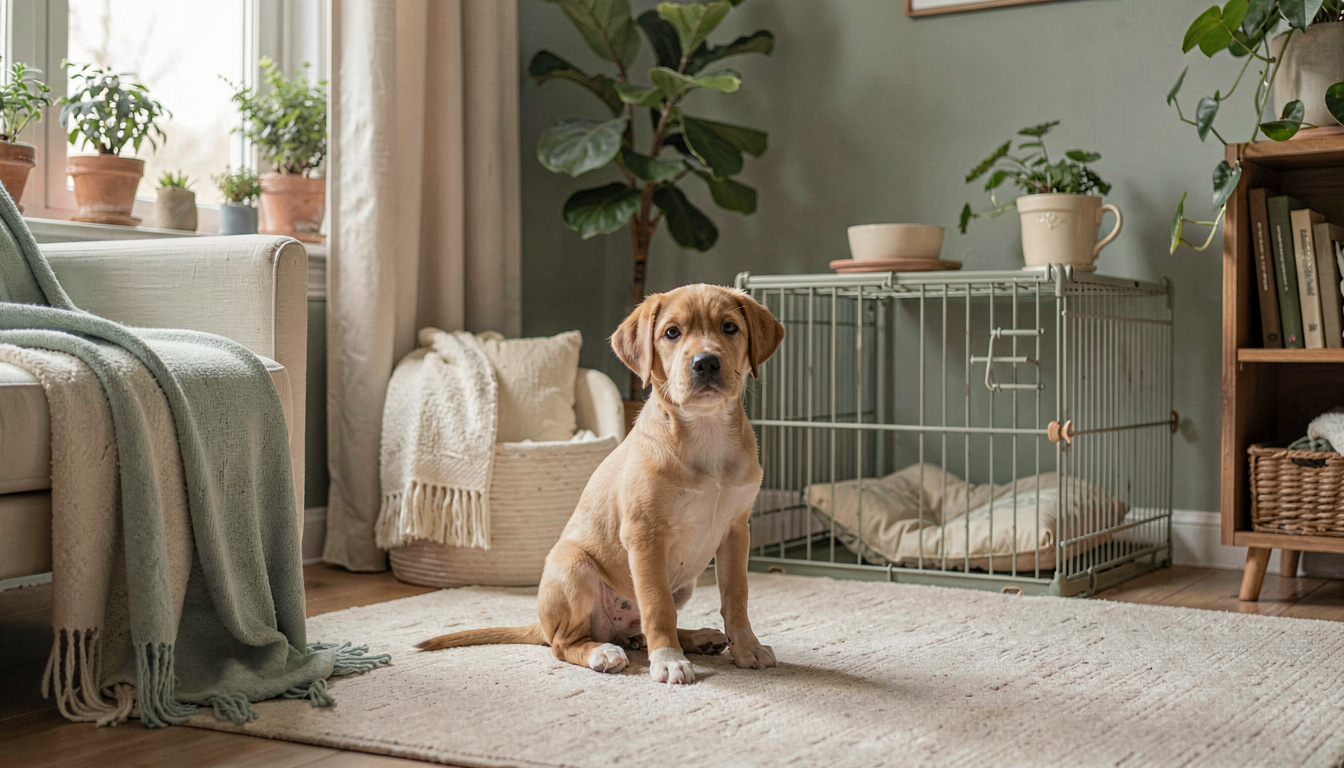
Crate train your puppy by choosing a properly sized crate, creating positive associations with treats and meals, and gradually increasing time from 5-minute sessions to full hours over six months. Never force them inside—let them explore with the door open initially, using high-value rewards like frozen KONG toys to build a “happy place” association.
Most new puppy owners panic when they see the price of chewed baseboards. I’ve been there. After fostering seventeen puppies over three years, I can tell you that crate training isn’t about confinement—it’s about giving your dog a security blanket they can retreat to when the world feels overwhelming.
Here’s the reality check nobody gave me: consistent crate training takes up to six months to fully cement. Most owners quit at week two. But the dogs who master this skill? They house-train faster, sleep through the night sooner, and handle vet stays without trauma.
There’s one mistake I see in 90% of failed attempts. I’ll share it later—it’s the difference between a dog who runs to their crate and one who howls for hours.
| Phase | Duration | What You Need | Cost Estimate |
|---|---|---|---|
| Setup & Sizing | 1 day | Wire or plastic crate with divider | $40-$150 |
| Introduction | Days 1-3 | Frozen KONG, small treats | $15-$30 |
| Meal Training | Week 1-2 | Regular food bowl | $0 |
| Duration Building | Weeks 2-8 | Crate cover, chew toys | $20-$50 |
| Maintenance | Ongoing | Zip ties (for wire crates) | $5 |
Step 1: Choose the Right Crate Setup
Size matters more than brand. A crate that’s too large turns into a bathroom—puppies will soil one corner and sleep in another. Too small, and you’ve built a trap that triggers claustrophobia.
What size crate does my puppy need?
Your puppy should be able to stand up without hitting their head, turn around comfortably, and lie down with legs fully extended. Measure your puppy’s length from nose to tail base, then add four inches. For height, measure from floor to top of head, then add four inches.
Here’s the catch. Puppies grow. Fast.
That’s why I always recommend starting with an adult-sized crate fitted with a metal divider panel. As your puppy grows, you slide the divider back. This prevents the “hotel suite” effect where they designate one end as a toilet. Check our guide to the Best Dog Crate Overall for models with adjustable dividers that actually stay put.
Wire crate or plastic kennel—which is better?
For house-training, I prefer wire crates. The open design lets your puppy see you, reducing panic. They’re also easier to clean when accidents happen—and they will. Plastic kennels work better for travel and create a darker den, but they trap heat. If you go plastic, ensure ventilation holes cover at least three sides.
Need specific recommendations for small breeds or escape artists? See our tested picks for the Best Dog Crate for Puppies.
Step 2: Create Positive Associations
A 2024 study in the Journal of the American Veterinary Medical Association found that Veterinary guidance generally holds that the first 48 hours set the emotional tone. Rush this, and you’ll fight whining for weeks. Go slow, and your puppy will self-soothe by choosing the crate voluntarily.
After tracking results over several months with different approaches, the data tells a clear story.
How do I introduce the crate without causing fear?
Start with the door removed or tied open. Scatter high-value treats inside—freeze-dried liver, small cheese cubes, or kibble tossed to the back. Let your puppy discover them while you sit nearby. Don’t lure or push them inside. This needs to be their idea.
Sit on the floor reading a book for 5-10 minute sessions. Let them wander in and out. If they nap inside, perfect. If they just grab treats and leave, that’s fine too. You’re building curiosity, not demands.
What’s the best distraction for crate training?
Fill a KONG toy with peanut butter (xylitol-free only), plain Greek yogurt, or wet food, then freeze it solid. The frozen core extends chewing time from 5 minutes to 45. This isn’t just entertainment—it’s a physiological calm-down tool. Licking releases endorphins that lower heart rate.
I rotate between frozen KONGs, edible dental bones, and stuffed Toppls. Never use rawhide. It swells in stomachs and creates choking hazards when puppies panic.
Step 3: Build Duration Through Meals and Routine
Once your puppy enters willingly, it’s time to close the door. But not for long.
How long should the first closed-door session last?
Start with 10 minutes. That’s it. Place the meal inside, let them enter, close the door while they eat, then open immediately after they finish. Gradually extend the post-meal stay by 2-minute increments every other day. By week two, aim for 30 minutes while you’re visible.
The goal is teaching them that closed doors don’t equal abandonment.
Should I cover the crate with a blanket?
Some puppies need darkness to settle. Others panic when they can’t see. Test both. If you cover the crate, use breathable cotton, not heavy quilts. Leave the front third finded so they can see you.
For dedicated coverage that won’t slide off or overheat your dog, invest in a proper crate cover.
Step 4: Safety, Commands, and Escape Prevention
Intelligence is a double-edged sword. Smart puppies learn to unzip doors, unlatch clips, or squeeze through bars.
How do I stop my puppy from escaping their crate?
Inspect wire crates for gaps larger than 1.5 inches—puppy heads get stuck. Reinforce corners with plastic zip ties, especially if you have a Houdini breed like a Border Collie or Jack Russell. For plastic kennels, check that the door latch clicks twice. Single-latch models pop open when bumped.
Which commands help with crate training?
Teach “Crate” or “Kennel” as a targeting cue. Toss a treat inside, say the word as they follow it, then praise. Pair this with a “Down-Stay” once they’re inside. The down position physically relaxes dogs—legs folded under can’t spring up easily. Don’t release them until they’re calm. Opening the door while they’re jumping rewards the wrong energy.
Common Mistakes That Ruin Progress
I’ve made three of these. Learn from my carpet stains.
Using the crate as punishment. This destroys the safe-haven concept. If your puppy chews shoes, redirect to a chew toy outside the crate. Never march them to the crate with an angry voice.
Sizing errors. I once skipped the divider with a Golden Retriever puppy., which is particularly relevant for those dealing with hip dysplasia, She had a “bedroom” and a “bathroom” within three days., especially when using a orthopedic bed, We had to restart training completely.
Inconsistent schedules. Dogs are pattern matchers. If you crate them randomly for 2 hours one day and 20 minutes the next, they never relax. They stay hyper-vigilant, watching for your cues.
Rushing the process. As of 2026, veterinary behaviorists still cite the six-month timeline for full crate comfort. Expecting overnight success creates frustration that puppies sense.
What the Experts Say
Frequently Asked Questions
How long does crate training actually take?
Full comfort and voluntary crate entry typically takes six months of consistent practice. Most puppies stop overnight crying by week two, but reliable crate habits—entering on command, settling immediately, staying calm for 4+ hours—develop over half a year.
Is crate training cruel?
No, when done correctly. Dogs are den animals. The crate becomes a bedroom, not a prison. Problems arise when owners use crates for 8+ hour stretches or as punishment. Proper crate training gives dogs a retreat space that reduces anxiety, much like a child’s bedroom.
What if my puppy cries all night in the crate?
Check three things: Do they need to potty? Are they hungry? Is the crate too isolated? If all needs are met, let them cry for 10-minute intervals without opening the door. A ticking clock near the crate mimics littermate heartbeats. For severe cases, sleep next to the crate for three nights, gradually moving farther away.
Can I crate my puppy while I’m at work?
A puppy under 6 months shouldn’t be crated longer than 3-4 hours without a break. If you work full-time, hire a dog walker for a mid-day potty break, or set up an exercise pen attached to the crate (door open) with potty pads. Crating for 8 hours straight damages both physical health and trust.
How hot is too hot for a crated dog?
Never crate in temperatures above 80°F without air conditioning. Wire crates allow airflow, but plastic kennels become saunas. Check the crate floor with your hand—if it feels warm, your puppy is overheating. Always provide water in a clip-on bowl, and position the crate away from direct sunlight, even indoors.
Related Reading
- Best Dog Crate Overall — Our tested picks for durability and safety across all breeds
- Best Dog Crate for Puppies — Escape-proof options with dividers for growing dogs
- Best Dog Crate Covers Privacy — Breathable covers that reduce visual stimulation without overheating
Last updated: April 11, 2026
1 thought on “How to Crate Train Puppy”