Disclosure: As an Amazon Associate I earn from qualifying purchases. This post may contain affiliate links at no extra cost to you.
- What temperature is too cold for my dog: Most dogs feel uncomfortable below 45°F (7°C)
- Which breeds need extra help: Small breeds, short-haired dogs, seniors, puppies, and dogs with medical conditions need immediate winter protection
- What type of winter coat does my dog need: Choose water-resistant outer layers with fleece or wool liners
- How do I measure my dog for clothing: Measure neck circumference, chest girth behind front legs, and back length from neck to tail base
Introduction
You can keep your dog warm in winter by layering protective clothing, upgrading to insulated bedding, and limiting outdoor exposure when temperatures drop below 45°F (7°C). Dogs lose body heat through their paws, ears, and respiratory system. Protection must cover extremities, not just the body.
Research shows that hypothermia cases in dogs increase significantly when temperatures fall below freezing, making winter protection especially important for our canine companions. Small breeds and seniors face the highest risk. This guide helps cold-climate owners protect their pets using proven layering techniques and insulation strategies.
| Task | Materials Needed | Time Required | Difficulty |
|---|---|---|---|
| Assess cold tolerance | Thermometer, breed chart | 5 minutes | Easy |
| Layer clothing | Coat, boots, sweater | 10 minutes | Easy |
| Upgrade bedding | Heated bed or foam pad | 20 minutes | Medium |
| Secure outdoor areas | Insulated shelter, straw | 1 hour | Medium |
Step 1: Assess Your Dog’s Cold Tolerance
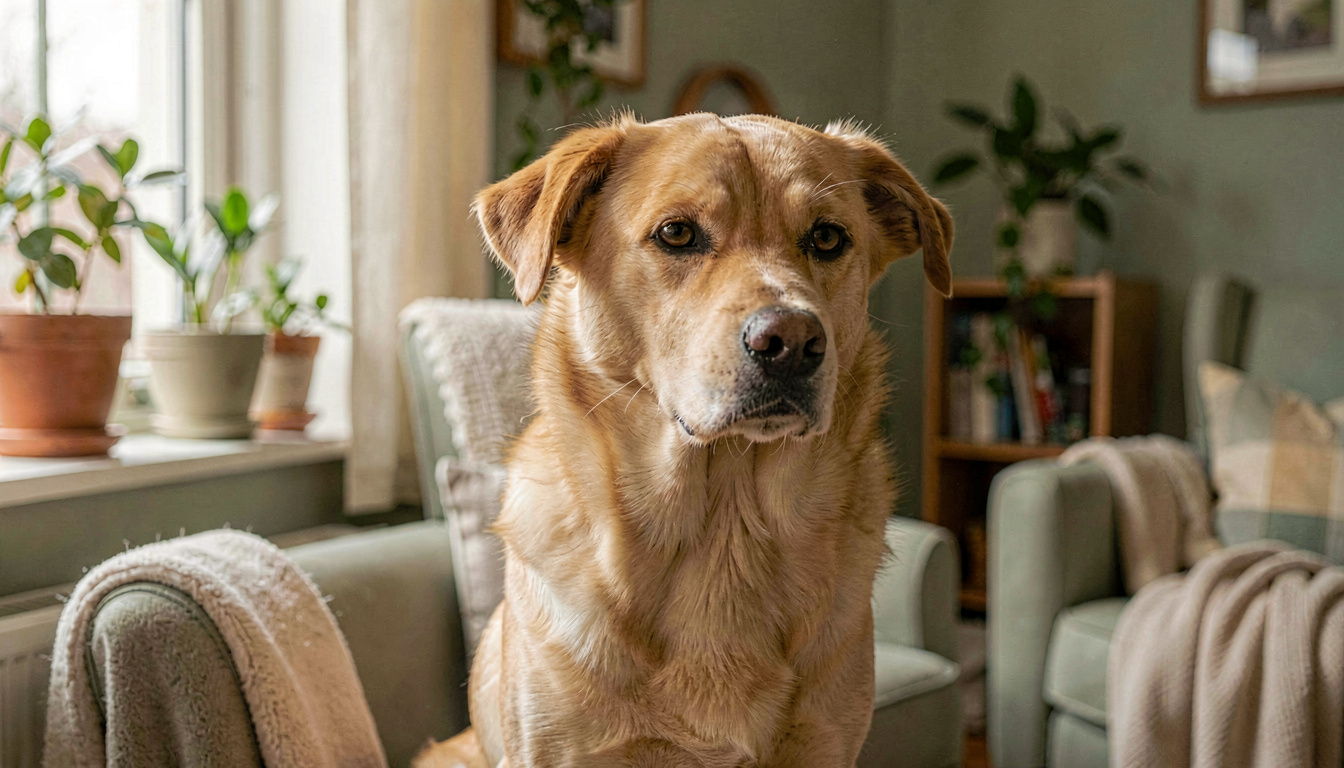
Not all dogs handle cold equally. You need to know your specific dog’s limits before winter hits.
What temperature is too cold for my dog?
Most dogs feel uncomfortable below 45°F (7°C). Temperatures below 32°F (0°C) pose hypothermia risks for all breeds. Wind chill makes it feel 10-20 degrees colder on exposed skin.
Dogs with very low body fat lose heat much faster than those with adequate fat stores, making them more vulnerable to cold weather. Short-haired breeds like Greyhounds and Chihuahuas start shivering at 50°F. Arctic breeds handle cold better, but they still suffer in wet conditions.
Pro Tip: Check the ears and paws first. These extremities show cold stress before the body does. If ears feel ice-cold, go inside immediately.
Which breeds need extra help?
Small breeds, short-haired dogs, seniors, puppies, and dogs with medical conditions need immediate winter protection. Diabetes, heart disease, and kidney problems reduce a dog’s ability to regulate temperature. Never assume fur alone protects against wet cold.
Step 2: Layer Up with the Right Gear
Clothing creates trapped air pockets that retain body heat.
What type of winter coat does my dog need?
Choose water-resistant outer layers with fleece or wool liners. The coat must cover the chest and belly, where hair is thinnest. Avoid cotton; it holds moisture and freezes against the skin.
| Coat Type | Best For | Temperature Range | Key Feature |
|---|---|---|---|
| Fleece Sweater | Dry, cool days | 45-60°F | Lightweight, breathable |
| Insulated Puffer | Snow, freezing rain | 20-40°F | Water-resistant, covers belly |
| Full Snowsuit | Small breeds, deep cold | Below 20°F | Covers legs, reflective strips |
How do I measure my dog for clothing?
Measure neck circumference, chest girth behind front legs, and back length from neck to tail base. Add two fingers under any strap for breathing room. Measure when your dog stands; sitting changes chest dimensions by up to 2 inches.
Pro Tip: Buy one size up if your dog falls between sizes. You can tighten straps, but you can’t add fabric to a too-small coat. Return policies matter for winter gear.
Step 3: Upgrade the Sleeping Environment
Nighttime drops body temperature by 1-2 degrees naturally. Your dog needs thermal support during sleep to recover from daily cold exposure and maintain immune function.
What’s the best bed temperature for winter?
Maintain a sleeping surface between 75-85°F (24-29°C) using heated beds or thick orthopedic mats. Heated dog beds use only 6-40 watts of electricity but can raise surface temperature by 20°F above ambient air. This can help reduce joint stiffness in arthritic dogs, providing much-needed comfort and mobility support.
The downside is that heated beds require electrical outlets and supervision. Chewers should never use electric heating pads unsupervised. Consider the Best Dog Beds for Winter Warmth for non-electric alternatives that use thermal-reflective materials.
Where should I place my dog’s bed?
Position beds away from drafty windows and exterior doors. Elevate the bed at least 3 inches off cold floors using raised frames or thick padding. Tile and hardwood conduct cold directly into your dog’s body. Basements average 10-15 degrees colder than main floors.
If you travel with your dog in winter, use an insulated Best Dog Carrier to maintain warmth during transport between heated spaces.
Step 4: Protect Outdoor Spaces
Veterinary guidance generally holds that outdoor dogs face the highest hypothermia risks. Even brief potty breaks require protection when wind chill factors apply.
How cold is too cold for outdoor dogs?
No dog should stay outside when wind chill drops below 20°F (-6°C). Regardless of breed or coat thickness, extended exposure causes frostbite in 30 minutes or less. Paws freeze first because they contact ice directly and have minimal fat padding.
What makes a good winter shelter?
An insulated shelter must be small enough to trap body heat, raised off the ground, and filled with straw. The door should face away from prevailing winds. The interior should be just large enough for the dog to stand, turn around, and lie down.
Warning: Blankets freeze solid when wet and can trap moisture against your dog’s skin. This causes frostbite faster than no bedding at all. Straw repels moisture and maintains loft for insulation.
Key Takeaway: Outdoor winter safety requires dry insulation, wind blocks, and strict time limits. When in doubt, bring them inside.
Use Best Dog Gates to restrict access to unheated areas of your home during winter storms or when heating systems struggle.
Common Mistakes to Avoid
Even well-meaning owners make these errors. Avoid them to keep your dog safe.
- Wet coats: Never let your dog sleep in a wet coat or sweater. Remove clothing immediately after outdoor walks to prevent evaporative cooling. Wet fur loses 90% of its insulating properties.
- Ignoring paw care: Salt and ice melt chemicals cause 70% of winter paw injuries treated by veterinarians, according to 2025 ASPCA data. Wipe paws with warm water after every walk.
- Leaving dogs in cars: Cars act as refrigerators in winter. Temperatures drop faster than you expect. A car’s interior matches outside air within 15 minutes.
- Metal bowls outside: Tongues stick to frozen metal at 20°F or below. Use plastic bowls and check water every two hours to prevent freezing.
Warning: Antifreeze tastes sweet but kills dogs. Even one teaspoon causes kidney failure in small breeds. Clean spills immediately and store containers in locked cabinets.
Expert Insights
Frequently Asked Questions
Do dogs need blankets at night?
Yes, most dogs benefit from blankets in winter. Short-haired breeds and dogs sleeping in rooms below 65°F need extra coverage. Use fleece or wool that wicks moisture away from the body rather than trapping it.
Can dogs sleep outside in winter?
Only if they have access to a properly insulated shelter and temperatures remain above 20°F. Indoor sleeping is always safer. Puppies and seniors should never sleep outside regardless of shelter quality.
How do I know if my dog is too cold?
Watch for shivering, hunching, lifting paws, or anxiety behaviors like whining. If your dog stops shivering but seems lethargic or confused, seek warmth immediately. This indicates advancing hypothermia requiring emergency care.
Should I shave my dog in winter?
A 2024 study in the Journal of the American Veterinary Medical Association found that Veterinary guidance generally holds that no, never shave your dog in winter. Their coat provides natural insulation through trapped air layers. Even “puppy cuts” reduce protection against cold air and increase hypothermia risk significantly.
What about puppies and seniors?
Puppies and senior dogs cannot regulate body temperature effectively below 50°F. They require heated beds, indoor potty options, and limited outdoor time of five minutes or less. Treat them with the same cold sensitivity as human infants.
Related Articles
- Best Dog Carrier
- Best Dog Beds for Winter Warmth
- Best Dog Gates
Last updated: April 11, 2026