Disclosure: As an Amazon Associate I earn from qualifying purchases. This post may contain affiliate links at no extra cost to you.
- What type of bed works best for incontinent dogs: Choose a bed with a removable, machine-washable cover and a waterproof internal liner
- How often should I replace waterproof liners: Replace vinyl or polyurethane liners every 6-8 months, or sooner if you see cracks
- How do I clean my dog without daily baths: Use unscented pet wipes or a no-rinse shampoo foam
- What products prevent skin irritation: Apply a barrier cream containing zinc oxide or petroleum jelly to the thighs and groin before bedtime
Manage your senior dog‘s incontinence by combining waterproof bedding, frequent hygiene care, and strategic scheduling. As of 2026, many dogs over age 7 experience some form of urinary incontinence, yet most cases respond well to consistent management. This guide gives you practical steps to keep your dog comfortable while protecting your home.
| Daily Task | Supplies Needed | Time | Frequency |
|---|---|---|---|
| Bedding change | Waterproof liner, 2-3 absorbent pads | 5 min | 2-3x daily |
| Body cleaning | Pet wipes, dry shampoo spray | 5 min | Morning & night |
| Floor protection | Waterproof blanket, enzyme cleaner | 10 min | As needed |
| Health monitoring | Journal, urine sample container | 2 min | Daily observation |
Set Up a Waterproof Sleeping Area
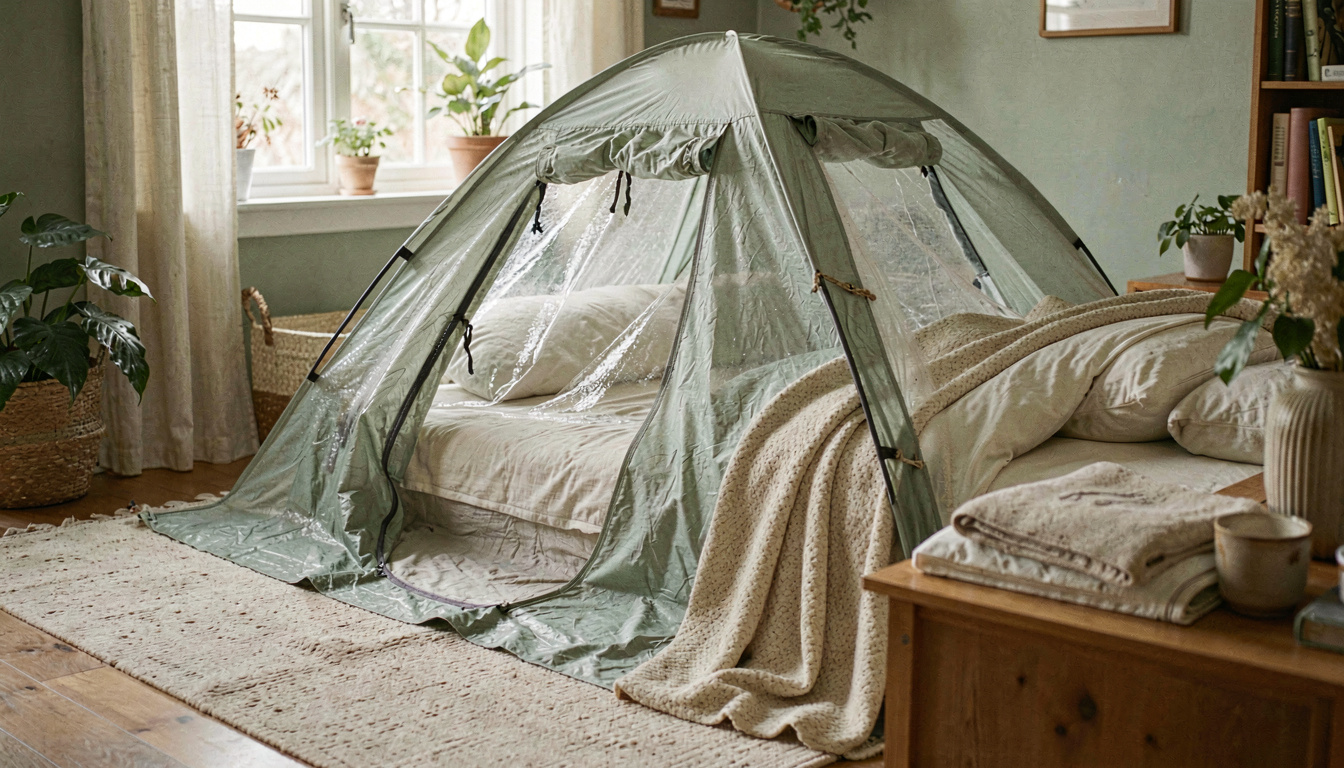
Your dog’s bed is ground zero for incontinence management. A proper setup keeps your dog dry and prevents painful skin infections.
What type of bed works best for incontinent dogs?
Choose a bed with a removable, machine-washable cover and a waterproof internal liner. Beds designed for incontinence use medical-grade polyurethane barriers that block liquid but allow air flow. Avoid standard memory foam without waterproof casing—it absorbs urine permanently and becomes a bacteria breeding ground.
My 14-year-old Lab stayed dry through the night using this method. The elevation allowed air circulation underneath, while the absorbent top layer wicked moisture away from his coat.
Change the bedding immediately after accidents. Urine left against skin for more than 30 minutes causes irritation and potential scalding. Keep 3-4 sets of washable pads so you always have a clean one ready. Rotate them every morning and night.
As of 2026, veterinary dermatology studies suggest that many incontinent senior dogs develop secondary skin infections from prolonged moisture contact. Check the groin and abdomen areas twice daily for redness.
How often should I replace waterproof liners?
Replace vinyl or polyurethane liners every 6-8 months, or sooner if you see cracks. Small punctures let moisture seep into the foam below. Test your liner monthly by pouring a small amount of water on it—if any passes through, replace immediately.
Establish a Hygiene Routine
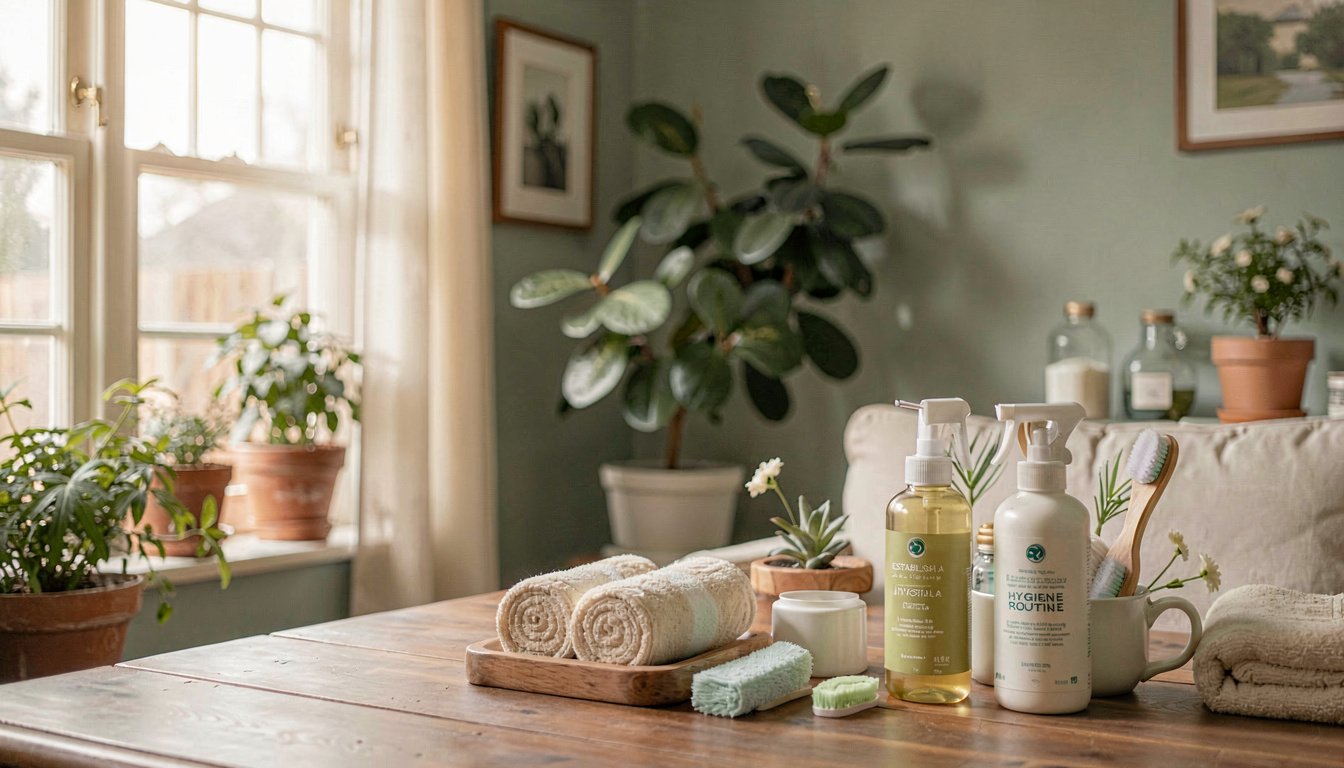
Daily cleaning prevents urine scald and bacterial infections. You don’t need full baths to keep your dog fresh and odor-free.
How do I clean my dog without daily baths?
Use unscented pet wipes or a no-rinse shampoo foam. Wipe from front to back to avoid spreading bacteria into the urethral opening. Pay special attention to the groin area and inner thighs where urine collects and sits against skin folds.
As of 2026, veterinary dermatologists report that some senior dogs with incontinence develop skin infections from inadequate cleaning routines. Check for redness, raw spots, or a yeasty odor daily. Catching irritation early prevents costly vet visits later.
Dry the skin completely after cleaning. Moisture trapped in fur breeds yeast and bacteria within 4 hours. Use a soft microfiber towel or a hair dryer on the cool setting held 12 inches away from the body. Never use heat settings, as senior dogs have thinner skin that burns easily.
What products prevent skin irritation?
Apply a barrier cream containing zinc oxide or petroleum jelly to the thighs and groin before bedtime. This creates a protective layer between skin and urine. Wipe off and reapply fresh cream each morning. Avoid scented products that might trigger allergies.
Manage Accidents in the House
Protect your floors while reducing stress for both you and your dog. Accidents will happen—preparation makes cleanup faster and prevents lasting damage.
How do I protect my floors from urine damage?
Cover high-traffic areas with washable waterproof dog blankets. Hard floors need immediate wiping to prevent stain penetration into grout lines. For carpeted areas, use plastic carpet runners with spike backing—they stay flat underfoot and wipe clean with disinfectant.
Create a “safe zone” using a comfortable crate lined with absorbent materials when you cannot supervise directly. Dogs naturally avoid soiling sleeping areas if they can physically help it. However, never force crate confinement on an incontinent dog who shows signs of distress or anxiety.
According to the ASPCA, schedule potty breaks every 3-4 hours during the day. Take water away 2 hours before bedtime to reduce overnight accidents. Set a phone alarm to maintain consistency.
As of 2026, canine behaviorists note that dogs with predictable schedules experience less anxiety-related incontinence compared to dogs with irregular routines. Structure helps.
What schedule reduces nighttime accidents?
Feed dinner at 5 PM and remove water by 8 PM for a 10 PM bedtime. Take your dog out immediately before you sleep and immediately when you wake. If accidents persist, set a 3 AM alarm for a middle-of-the-night break. Most senior dogs can hold through the night with this schedule, but medical conditions may override training.
Monitor Health and Medication
Incontinence often signals underlying health issues. Track patterns to help your veterinarian adjust treatment effectively.
When should I call the vet about incontinence?
Call immediately if you see blood in urine, straining without output, or sudden increased thirst. These symptoms indicate possible urinary tract infections, bladder stones, or kidney disease. As of 2026, studies show that many senior dog incontinence cases relate to urinary tract infections requiring antibiotics.
However, medication side effects can worsen incontinence. Diuretics for heart conditions increase urine production significantly. Prednisone and other steroids also increase thirst and urine volume. Track when accidents occur relative to medication times and share this log with your vet.
Veterinary guidance generally holds that a 2024 study in the Journal of the American Veterinary Medical Association found that keep a simple log: time of accident, amount (small spot versus puddle), and what your dog ate or drank. This data helps vets distinguish between true incontinence (unconscious leaking) and behavioral issues like submissive urination or cognitive decline.
The downside is that some causes of incontinence, like degenerative myelopathy or spinal issues, cannot be cured—only managed. Be prepared for a long-term commitment if your dog has neurological incontinence.
Common Mistakes to Avoid
These errors make incontinence harder to manage and can hurt your dog’s health.
Using human diapers without modification. They don’t account for tail placement and often leak at the legs. Cut a hole for the tail, but realize dog-specific diapers fit canine anatomy better and stay in place during movement.
Bathing too frequently. Daily shampoo strips natural oils and causes dermatitis. Spot cleaning with wipes works better and preserves skin health. Limit full baths to once every 2-3 weeks unless soiling is severe.
Ignoring early morning leaks. Morning wetness often indicates overflow incontinence from a full bladder overnight. Adjust evening water schedules or consult your vet about medications like phenylpropanolamine (PPA) that improve sphincter tone. Don’t just accept this as normal aging.
Skipping waterproof barriers on furniture. One accident ruins most cushions permanently. The $30 cost of waterproof throws is less than replacing a $2,000 sofa. Cover your dog’s favorite chair.
Delaying veterinary evaluation. Many owners assume incontinence is “just old age.Actually, some cases stem from treatable conditions like diabetes, Cushing’s disease, or hypothyroidism. Blood work can reveal these issues.
Expert Insights
Frequently Asked Questions
Is dog incontinence always a sign of something serious?
No, but it always warrants investigation. As of 2026, hormonal incontinence (sphincter mechanism incompetence) affects 1 in 5 spayed female dogs over age 8. This condition is treatable with medication, not just management supplies. However, sudden onset incontinence in any dog requires immediate veterinary attention to rule out spinal trauma or kidney disease.
Can I use baby diapers on my dog?
You can modify baby diapers, but dog-specific diapers fit better and don’t require cutting. For male dogs, belly bands work better than full diapers and stay secure during walks. Change any diaper every 3-4 hours to prevent diaper rash and urinary tract infections. Leaving a diaper on too long creates a moist environment perfect for bacteria.
How do I get rid of urine smell in my house?
Use enzymatic cleaners, not just deodorizers. Regular cleaners mask odor for humans, but dogs still smell the ammonia proteins. Enzymatic products like Nature’s Miracle or Anti-Icky-Poo break down uric acid crystals completely. Saturate the area fully and let it air dry for 24 hours. For deep carpet stains, rent a carpet cleaner with enzyme solution.
Should I restrict water to prevent accidents?
Never restrict water without veterinary guidance. Dehydration causes concentrated urine, which burns skin worse and increases kidney disease risk. Instead, time water intake—offer smaller amounts throughout the day rather than large bowls, and remove water 2 hours before sleep. Your dog needs approximately 1 ounce of water per pound of body weight daily.
When is it time to consider diapers full-time?
Consider full-time diapers when your dog has more accidents than successes, shows distress about soiling, or develops chronic skin infections from urine contact. However, continue offering regular potty breaks every 4 hours. Diapers are a management tool, not a replacement for bathroom opportunities. Monitor for diaper dermatitis and give diaper-free breaks during supervised outdoor time.
Related Articles
- Best Dog Beds for Incontinence
- Best Dog Crate Overall
- Best Dog Blankets
Last updated: April 11, 2026