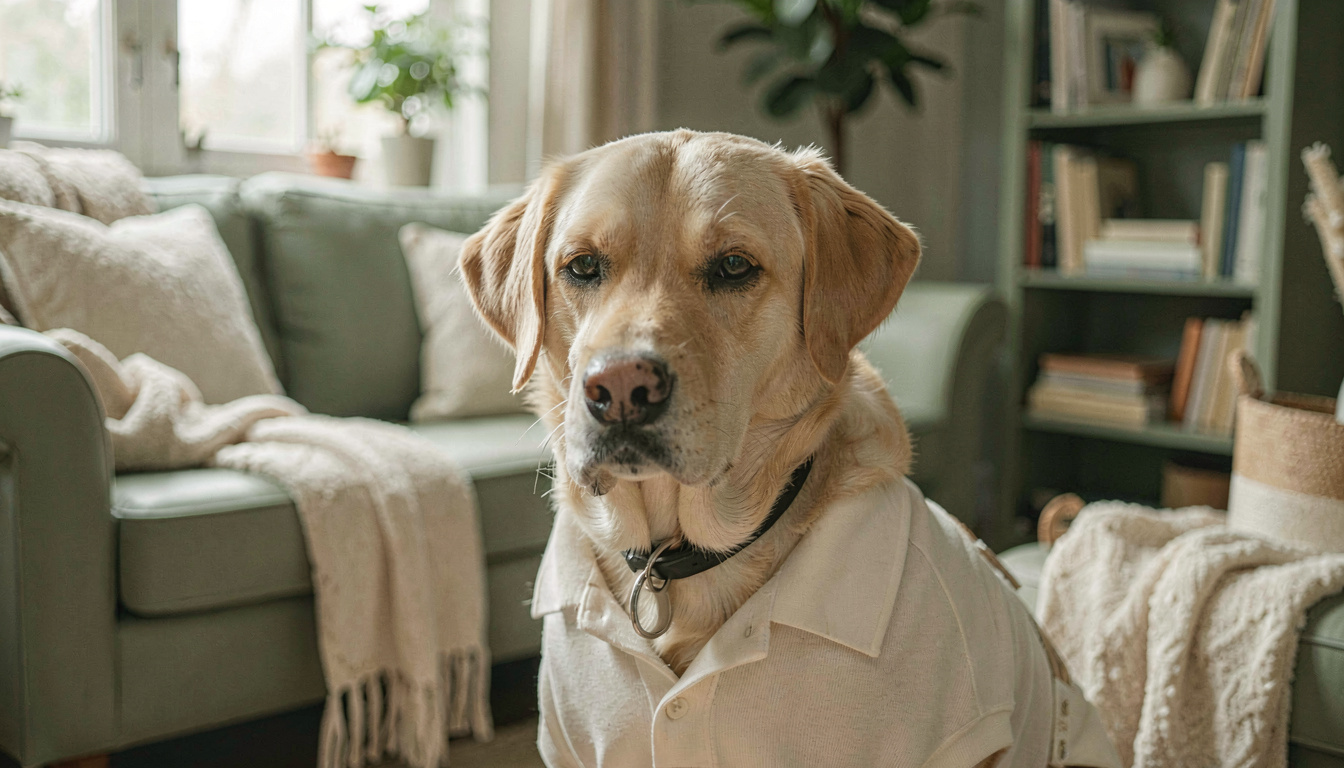
Disclosure: As an Amazon Associate I earn from qualifying purchases. This post may contain affiliate links at no extra cost to you.
- Use a pressure wrap like Thundershirt — it applies gentle, constant pressure to calm most dogs within minutes.
- Play classical music or a white noise machine to mask trigger sounds and lower stress hormones.
- Sit beside your dog and practice slow, audible breathing; dogs sync their heartbeat with yours.
- For aggressive dogs, never attempt physical contact — focus on environmental changes and barriers first.
A panicked dog can go from relaxed to shredding the couch in under five seconds. You need a technique that works fast — and works without escalating the stress.
This guide covers the three fastest ways to settle a frantic dog: pressure wraps, soothing music, and controlled breathing. You’ll also learn exactly when to use each, how underlying pain from conditions like arthritis and hip dysplasia changes the approach, and the single most dangerous mistake to avoid with an aggressive dog.
First, a quick look at what flips the anxiety switch — and why so many owners miss the obvious cause.
What causes sudden anxiety or stress in dogs?
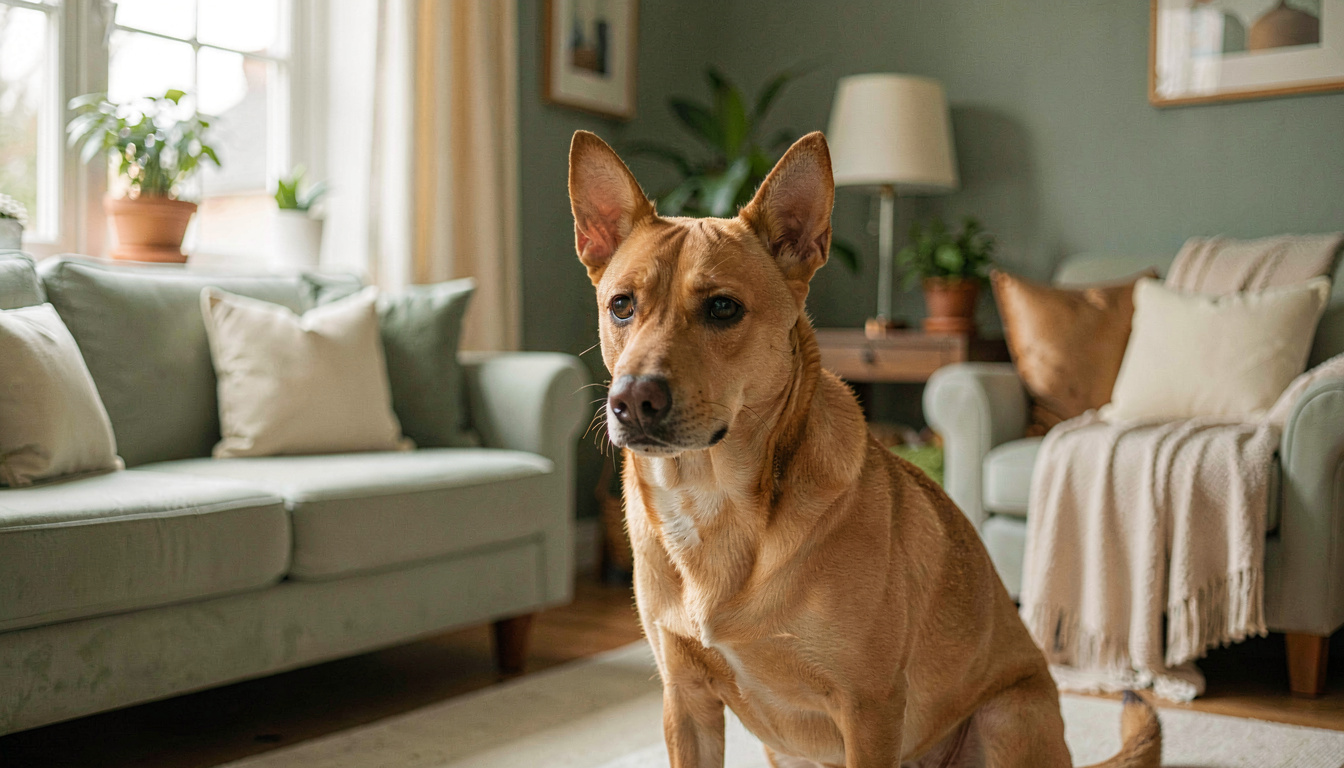
Common triggers include loud noises, being left alone, visitors, and undiagnosed pain — especially from arthritis or hip dysplasia. A dog that’s restless and panting may not be “acting out” at all. They may be hurting.
Separation anxiety affects millions of dogs. A sudden meltdown when you pick up the keys is a classic sign. But physical discomfort can produce identical behavior. If your dog becomes agitated for no apparent reason, a vet check for joint pain is a smart first step.
One mistake almost every owner makes at some point: confusing a medical need with a training problem. I’ll come back to that — and what you should do instead — in the common mistakes section.
What are the fastest ways to calm a dog down instantly?
Pressure wraps, calming audio, and slow, deliberate breathing beside your dog all work — and each can start to bring a dog down within two to five minutes. The method you pick depends on the trigger and your dog’s body language.
Before you choose a technique, scan the quick reference below. If your dog is growling, lunging, or snapping, skip straight to the safety section at the end of this guide. Physical contact will make things worse.
| Technique | Best For | How It Works | Safety for Aggressive Dogs |
|---|---|---|---|
| Pressure wrap (Thundershirt, ACE bandage) | Thunderstorms, fireworks, separation, travel | Constant light pressure triggers the parasympathetic nervous system | Do not attempt to wrap a snarling or snapping dog |
| Classical music or white noise | Noise phobias, separation anxiety, shelter stress | Masks startling sounds and lowers cortisol levels | Safe — use as background without approaching dog |
| Controlled breathing & calm presence | General anxiety, post-trigger settling, vet waiting rooms | Dogs entrain their heart rate to a calm person’s breathing rhythm | Only if dog is non-aggressive; maintain at least arm’s length |
| Gentle massage (non-aggressive dogs only) | Dogs with pain from arthritis, hip dysplasia, or stiffness | Releases endorphins and loosens tight muscles | Skip entirely if the dog shows teeth, whale-eye, or stiff posture |
How does a pressure wrap instantly calm a dog?
A properly fitted pressure wrap delivers a steady, gentle squeeze — like swaddling a baby — that calms the nervous system within minutes. The constant input overrides the pituitary-adrenal stress cycle and drops the heart rate.
Pressure wraps such as the Thundershirt or an ace bandage wrap work especially well during thunderstorms, fireworks, and episodes of separation anxiety. The key is applying the wrap before the dog reaches full-blown panic. If you wait until the dog is already frantic, it can still help, but it may take longer.
How do I put a pressure wrap on a dog safely?
Lay the wrap flat across the back, cross the chest panels, and fasten snugly — but not tight enough to restrict breathing. You should be able to slide two fingers under any part of the wrap.
For a DIY version, use a wide ace bandage and follow the same pattern. Do a “dry run” when the dog is relaxed so they associate the wrap with calmness, not the scary event.
When shouldn’t I use a pressure wrap?
Avoid pressure wraps on dogs with severe respiratory issues, brachycephalic breeds struggling to breathe, or any dog that freezes, growls, or snaps when touched. In those cases, the technique can trigger a defensive reaction. Stick to environmental methods like music and distance.
Can soothing music and sound therapy calm an anxious dog quickly?
Yes — classical music with a tempo of 60 to 80 beats per minute, played at a low volume, can reduce barking, pacing, and stress-related cortisol within 30 minutes, according to the Journal of Veterinary Behavior.
Dogs have sensitive hearing, and sudden loud noises trigger their startle reflex. A consistent, predictable soundscape — such as “Through a Dog’s Ear” playlists or a simple white noise machine — masks doorbells, thunder, and street noise. That predictability acts like a reset button for an anxious brain.
What kind of music works best for dogs?
Choose compositions heavy on piano and low strings, avoid percussion and sudden spikes in volume. Several streaming services now offer canine-specific audio channels. Crate training environments that include soft background music can also help dogs with separation anxiety settle faster.
How can controlled breathing and calm body language settle a dog?
Dogs read human physiology — they synchronize their respiration and heart rate with a calm person nearby. By sitting quietly and audibly sighing or breathing in long, slow exhales, you signal that everything is safe.
Get on your dog’s level. Sit sideways to them — a direct stare can feel confrontational. Let your shoulders drop, soften your eyes, and take audible four-second inhales followed by six-second exhales. You’ll often see the dog sigh or lie down within minutes.
Why does my dog calm down when I breathe slowly?
Dogs are masters of reading subtle cues. Your slow breathing lowers your own cortisol, which changes your scent and body language. They pick up on that shift almost instantly. It’s one of the few calming techniques that works even when you can’t touch the dog — useful if the dog is in a crate or behind a baby gate.
How do underlying health conditions like arthritis and hip dysplasia affect calming methods?
Dogs with arthritis or hip dysplasia are often restless because they’re physically uncomfortable — not just mentally anxious. Hip dysplasia is common in German Shepherds and Golden Retrievers, according to the Orthopedic Foundation for Animals. In these cases, a technique that works for a sound-sensitive dog may fail unless you address the pain first.
Joint pain from arthritis causes chronic stress. The dog can’t settle because lying down hurts. That’s where an orthopedic bed with memory foam makes a difference. A high-density memory foam base relieves arthritis by contouring to the body and reducing pressure on hips and elbows. This is often the missing piece for older dogs who pace and whine at night.
Can a comfortable bed instantly calm a dog with joint pain?
Not literally “instant,” but close. A dog that’s been avoiding rest because of a thin, hard mat will often sink into a supportive bed and visibly relax within minutes. Look for at least 4 inches of orthopedic memory foam that distributes weight evenly. This is especially important for large breeds where hip dysplasia is common.
“When a dog is in pain, traditional calming techniques may not work because the dog’s agitation is rooted in physical discomfort. Addressing the pain source first — with an orthopedic bed, gentle massage, or veterinary pain management — often resolves the behavioral signs of anxiety.”
How to instantly calm a dog with separation anxiety?
Separation anxiety requires a two-phase approach: immediate management (stopping the panic) and long-term training (preventing it from recurring). For an instant fix when you’re about to leave, put on a pressure wrap 20 minutes before departure, start calming music, and give the dog a frozen food puzzle to redirect their focus.
Crate training is one of the most effective long-term tools for separation anxiety. A properly introduced crate becomes a safe den — not a punishment. Covering the crate with a light blanket and placing it near a white noise source can turn it into a sensory-deprivation sanctuary that reduces reactivity to outside noises.
Can I combine crate training with other calming methods?
Absolutely. Place an orthopedic bed inside the crate for comfort. Add a stuffed Kong or a lick mat to trigger the soothing endorphin release from licking. Pair this with the controlled breathing technique — sit calmly near the crate for a few minutes before you leave, breathing audibly and avoiding emotional goodbyes.
How to safely calm an aggressive dog without escalating the situation?
When a dog is growling, lunging, or showing teeth, the priority is safety — not calming through touch. Do not attempt a pressure wrap, massage, or even direct eye contact. Aggression is a distance-increasing behavior; closing that distance will trigger a bite.
Environmental management is your best tool. Turn off loud sounds, dim the lights, and move slowly away from the dog. If you need to contain the dog, use a leash or a barrier — not your hands. Offer a high-value treat tossed away from you, which shifts the dog’s focus and de-escalates the confrontation without forcing an interaction.
What body language signals an aggressive dog?
Whale eye (showing the whites), stiff body, raised hackles, a closed tense mouth, and low growling all indicate a dog that is about to escalate. Back away immediately and avoid staring. Once the dog has a quiet space and is no longer reacting, you can introduce calming music from a distance.
What are the most common mistakes dog owners make when trying to calm a dog?
Even well-meaning owners accidentally make anxiety worse. Here are the four mistakes I see most often, and what you should do instead.
- Petting vigorously and speaking in a high-pitched “it’s okay” voice. This signals that you’re also agitated. Switch to slow, firm strokes or no touch at all.
- Ignoring pain cues. A dog who suddenly becomes restless or snappy might have arthritis or hip dysplasia. Ruling out pain before labeling the dog “anxious” is critical.
- Waiting too long to intervene. Most calming techniques work best when applied early, at the first sign of stress — not once the dog is in a full adrenalized state.
- Using punishment. Yelling, leash jerks, or shaking a can of coins may suppress the behavior temporarily but ramps up underlying anxiety and erodes trust.
What do experts say about instant dog calming techniques?
Behavioral medicine doesn’t rely on guesswork. Here are two principles that guide veterinary professionals when managing acute canine anxiety.
“The most effective immediate interventions are multimodal — combining a pressure wrap with auditory calming and non-confrontational human behavior. For dogs with underlying pain like arthritis or hip dysplasia, barrier-free access to a supportive orthopedic bed removes the physical stressor while the calming techniques address the psychological component.”
Frequently Asked Questions
How long does it take for a pressure wrap to calm a dog?
Most dogs show a visible calming response within 5 to 15 minutes of putting on a properly fitted pressure wrap. The effect is faster if the dog has been previously conditioned to the wrap in a relaxed state.
Can I use human calming music for my dog?
Yes, any classical music with a slow tempo and no sudden percussion shifts can work. Dog-specific playlists are tuned to canine hearing ranges and may be even more effective.
What if my dog has aggression problems — can I still use these techniques?
You can use sound-based methods and environmental control from a distance, but skip any physical techniques like pressure wraps, massage, or holding. Consult a veterinary behaviorist for a safety-first plan.
How can I tell if my dog’s anxiety is caused by arthritis or hip dysplasia?
Signs include difficulty rising, reluctance to jump, stiffness after rest, and pacing at night. If anxiety appears suddenly in an older dog or a breed prone to hip dysplasia like a German Shepherd or Golden Retriever, a vet exam is the first step.
Does crate training help with separation anxiety?
Yes, when introduced positively. A crate provides a den-like safe space that can reduce panic. Pair it with a pressure wrap, calming music, and a food puzzle for the best instant result.
Related Articles
No related roundups are currently available. Check back soon for more dog comfort guides, or explore our resources on orthopedic dog beds for large breeds and crate training for anxious dogs.
What This Gear Does Not Do Well
However, a key limitation of these instant calming techniques is their heavy reliance on the owner’s own composure—if you’re visibly stressed, your dog may feed off that tension and become more agitated. Additionally, physical interventions like pressure wraps can backfire on dogs who feel trapped by snugness, and sound-based methods risk overstimulating sensitive hearing, turning a tool into a stressor.
Sources and Further Reading
The guidance in this article draws on published material from the following organizations:
- Pet safety in vehicles — American Veterinary Medical Association
Last updated: August 26, 2026