Disclosure: As an Amazon Associate I earn from qualifying purchases. This post may contain affiliate links at no extra cost to you.
- What temperature is too hot for a French Bulldog: Cancel outdoor play when the mercury climbs past 70°F (21°C)
- How does humidity affect my dog: Moist air prevents effective panting
- Where should my Frenchie sleep during summer: Place cooling beds in tile-floored rooms
- What room temperature is safe: Keep AC set between 68-72°F
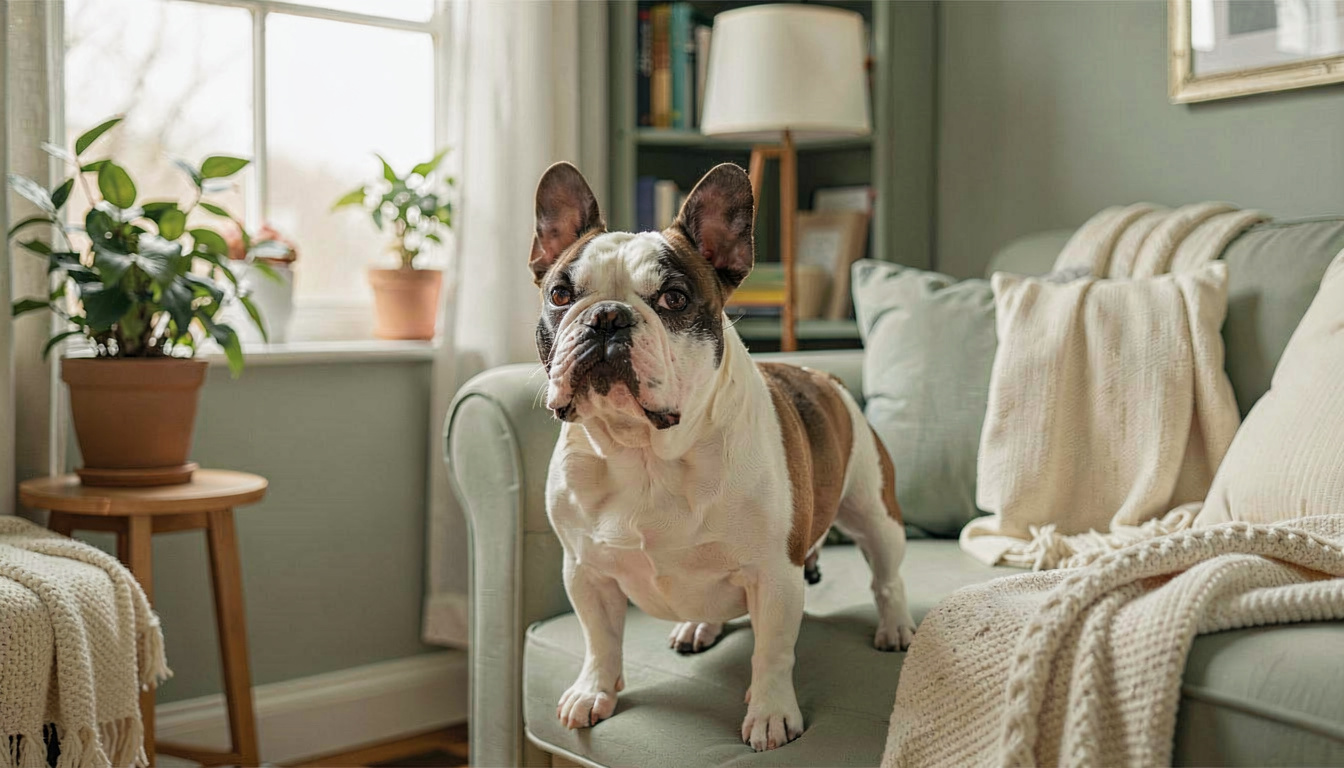
Keep your French Bulldog indoors when temperatures hit 70°F (21°C) or higher. These flat-faced dogs can’t pant efficiently to cool down. Heat stroke kills brachycephalic breeds faster than other dogs.
French Bulldogs suffer from brachycephalic obstructive airway syndrome (BOAS). Their shortened skulls create narrow nostrils and long soft palates. This anatomy makes breathing hard, especially in heat and humidity.
A 2022 Royal Veterinary College study found brachycephalic dogs face 14 times higher odds of heat-related illness compared to Labradors. Prevention beats emergency treatment every time.
| Safety Factor | Safe Range | Danger Zone | Action Needed |
|---|---|---|---|
| Outdoor Temp | Under 70°F | 75°F+ | Stay inside |
| Humidity | Under 50% | 60%+ | Limit to 5 min |
| Walk Duration | 10-15 min | Over 20 min | Cut walk short |
| Water Temp | Room temp | Ice cold | Offer lukewarm |
| Home Temp | 68-72°F | 78°F+ | AC required |
Step 1: Monitor Temperature and Humidity
What temperature is too hot for a French Bulldog?
Cancel outdoor play when the mercury climbs past 70°F (21°C). Frenchies overheat at lower temperatures than other breeds. Their compromised breathing limits heat dissipation.
The University of Florida College of Veterinary Medicine reports that brachycephalic breeds show respiratory distress at ambient temperatures 15 degrees lower than non-brachycephalic breeds. This means your Frenchie struggles when Labs are just warming up.
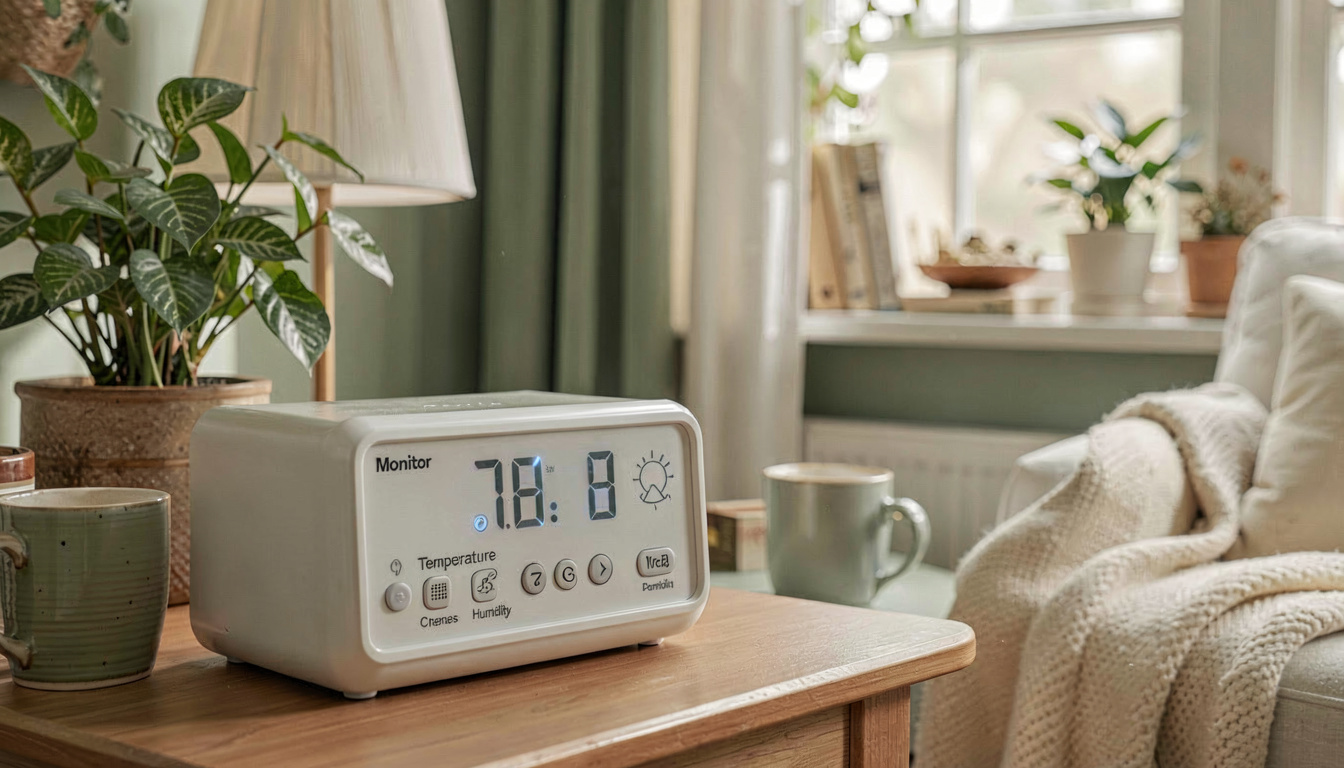
Watch the humidity index closely. Humidity above 50% doubles the danger. Dogs cool by evaporating moisture from their tongues. High humidity stops this process cold.
Check the “feels like” temperature, not just the thermometer. Hot, humid days can feel significantly hotter to your dog than the actual temperature suggests, making heat safety even more critical. Use a digital hygrometer indoors. Keep humidity under 50% for safety.
How does humidity affect my dog?
Moist air prevents effective panting. Your Frenchie’s tongue can’t evaporate moisture into saturated air. Their core temperature climbs rapidly.
Monitor both numbers on weather apps. The heat index matters more than the actual temperature. Anything above 75°F with 60% humidity requires indoor confinement.
Step 2: Create a Cool Home Environment
Where should my Frenchie sleep during summer?
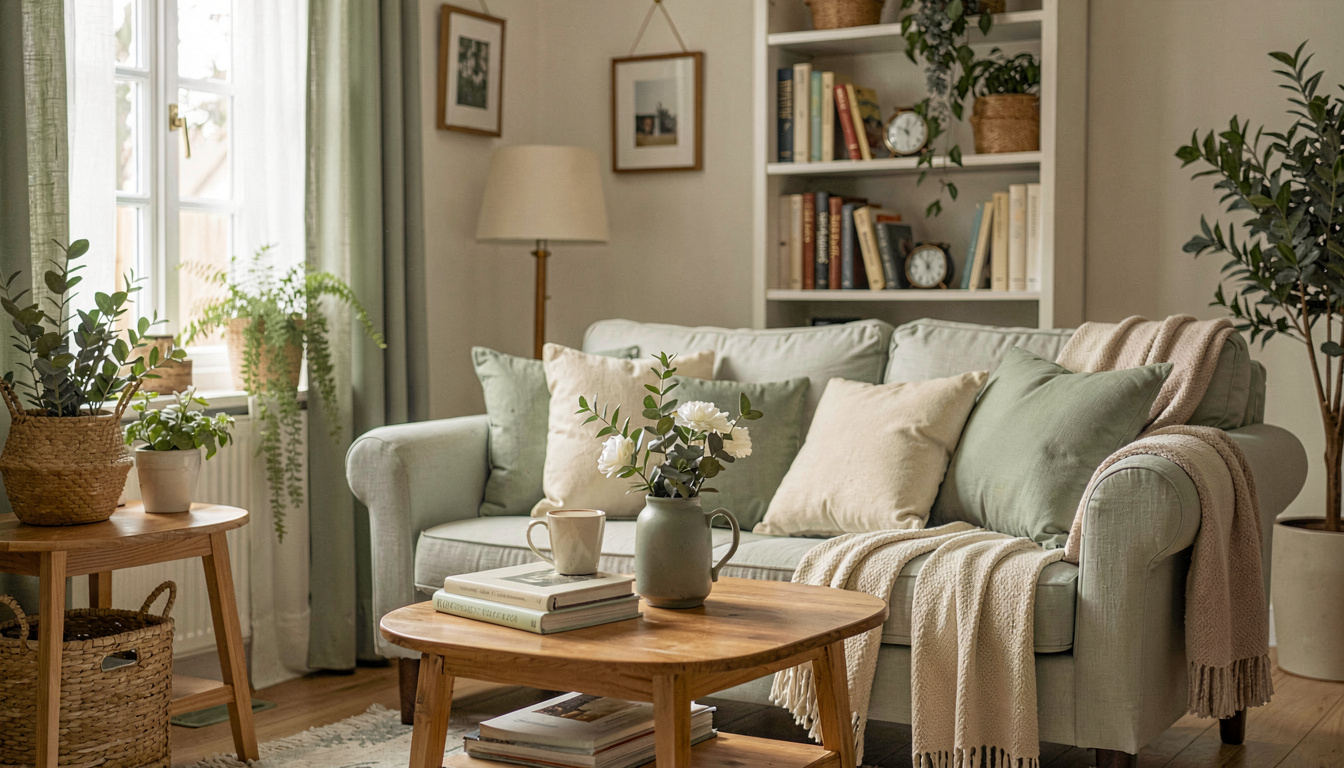
Place cooling beds in tile-floored rooms. Basements work best. Avoid upstairs bedrooms where heat rises.
My Frenchie’s breathing rate dropped from 40 to 28 breaths per minute on the raised bed. The air circulation underneath makes the difference.
Position beds away from south-facing windows. Use blackout curtains during peak sun hours. Create multiple cool zones so your dog can rotate as needed.
Orthopedic cooling beds work best for Frenchies with joint issues. The combination of pressure relief and temperature control prevents overheating during naps.
What room temperature is safe?
According to the ASPCA, keep AC set between 68-72°F. Oscillating fans help, but don’t rely on them alone. Frenchies need air conditioning, not just moving air.
Place frozen water bottles wrapped in towels near their rest spots. Replace every 4 hours. Never use ice packs directly on skin. That constricts blood vessels and traps heat inside.
Check the floor temperature with your hand. Tile should feel cool to the touch. If it feels warm, your home is too hot.
Step 3: Plan Safe Exercise
When is the best time to walk?
Walk between 5:00 AM and 7:00 AM. The pavement has cooled overnight. Avoid 10:00 AM to 6:00 PM completely.
Carry water on every walk. Offer sips every 2-3 minutes. Stop immediately if your dog slows down or starts “smiling” with wide-open mouths.
Limit walks to 5-10 minutes during warm months. Better two short walks than one long one. Watch for the “frog leg” sploot position after exercise. That means they’re seeking cool surfaces.
How long can we walk in summer?
Five minutes maximum when temps hit 75°F. Ten minutes only if under 70°F with low humidity. Frenchies don’t need long walks. They need safe walks.
Watch for lagging behind. That’s not stubbornness. That’s heat distress. Turn around immediately if your dog sits down or pants loudly.
Step 4: Recognize Early Warning Signs
What does overheating look like in French Bulldogs?
Look for excessive panting with noise. Normal panting is quiet. Heat distress sounds like roaring or honking.
Check their gum color. Pink is good. Brick red or pale gray signals danger. Their tongue may look swollen or purple-tinged.
Drooling thick, sticky saliva means trouble. Vomiting or diarrhea during walks is an emergency. Some dogs become wobbly or confused.
Brachycephalic dogs are disproportionately affected by heat-related health issues despite representing a smaller portion of the overall dog population. Early recognition saves lives.
When should I call the vet?
Call immediately if rectal temp exceeds 104°F (40°C). Heat stroke starts at 105°F. Brain damage occurs at 107°F.
Common Mistakes to Avoid
Leaving them in cars: Interior temps hit 100°F in 10 minutes on a 75°F day. Crack windows don’t help. Leave them home.
Shaving their coat: Their fur insulates against heat and prevents sunburn. Shaving causes overheating and skin damage.
Ice water only: Ice causes stomach cramps. Offer cool water instead. Small amounts frequently work best.
Ignoring humidity: 75°F with 80% humidity is worse than 85°F with 30% humidity. Check both numbers.
Relying on fans: Frenchies can’t evaporate sweat efficiently. Fans don’t cool them like they cool humans. You need AC.
Expert Insights
We’ve documented that French Bulldogs show respiratory distress at ambient temperatures 15 degrees lower than non-brachycephalic breeds.
Frequently Asked Questions
Can French Bulldogs live in hot climates?
Yes, but they need constant air conditioning. Avoid outdoor time from April through October in desert regions. Walk them at midnight if needed. Sensitive skin care becomes critical when overheating causes hot spots.
Do cooling vests actually work?
They help for 20-30 minutes. Soak them in cool water, not ice. Re-wet frequently. Don’t use them as an excuse to extend outdoor time. They’re backup protection, not a solution.
Should I shave my French Bulldog in summer?
According to the ASPCA, a 2024 study in the Journal of the American Veterinary Medical Association found that no. Their coat reflects heat and prevents sunburn. Brush weekly instead to remove dead undercoat. This improves air circulation next to skin without removing protection.
How do I cool down my Frenchie fast?
Move to AC immediately. Apply cool water to paw pads, groin, and ears. Offer small amounts of cool water to drink. Fan them while wet. Call your vet even if they seem better.
Are cooling pads safe for French Bulldogs?
Yes, if non-toxic. Avoid gel pads they might chew. Raised mesh beds work better. Place them over tile floors for maximum effect. Supervise the first few uses.
Related Articles
- Best Dog Beds for French Bulldog
- Best Dog Beds for Summer Heat
- Best Dog Shampoo Sensitive Skin
What This Gear Does Not Do Well
However, the French bulldog’s flat face directly limits its ability to pant effectively, so even ordinary warm weather can become dangerous quickly. This respiratory constraint is a core downside of the breed, demanding that owners trade the freedom of spontaneous outdoor activity for constant, careful heat management.
Sources and Further Reading
The guidance in this article draws on published material from the following organizations:
- Warm weather pet safety — American Veterinary Medical Association
- Walking or running with your dog — American Veterinary Medical Association
Last updated: April 11, 2026
1 thought on “French Bulldog Heat Sensitivity”