Disclosure: As an Amazon Associate I earn from qualifying purchases. This post may contain affiliate links at no extra cost to you.
- What size crate does my dog need: Your crate should be big enough for your dog to stand, turn, and lie down
- Where should I place the crate: Put the crate in your bedroom for the first month
- How often should I take my puppy outside: Take them out every 2 hours during the day if they’re under 12 weeks old
- What are the critical potty times: Take them out first thing in the morning, after eating, after drinking, after napping, and before bed
Crate train your dog for faster housebreaking by using their natural den instinct to control elimination. Your dog won’t soil their sleeping area when given the right sized space. This method can significantly reduce housebreaking time compared to paper training alone.
Owners who need clean floors fast benefit most. Puppies under 6 months old respond best, but adult rescues learn too.
The process takes 3-6 weeks depending on age. You’ll need a crate, treats, and patience. However, consistency matters more than speed. Skip days and you start over.
| Training Phase | Action Steps | Time Investment | Key Supplies |
|---|---|---|---|
| Setup | Measure dog, buy crate | 1 hour | Proper sized crate, mat |
| Scheduling | Set feeding times, outside breaks | 30 min daily | Timer, treats |
| Active Training | Supervise, crate when unsupervised | 4-6 weeks | Enzyme cleaner |
| Overnight | Last potty break at 10 PM | 6-8 hours nightly | Waterproof crate pad |
Set Up the Right Crate Size and Location
What size crate does my dog need?
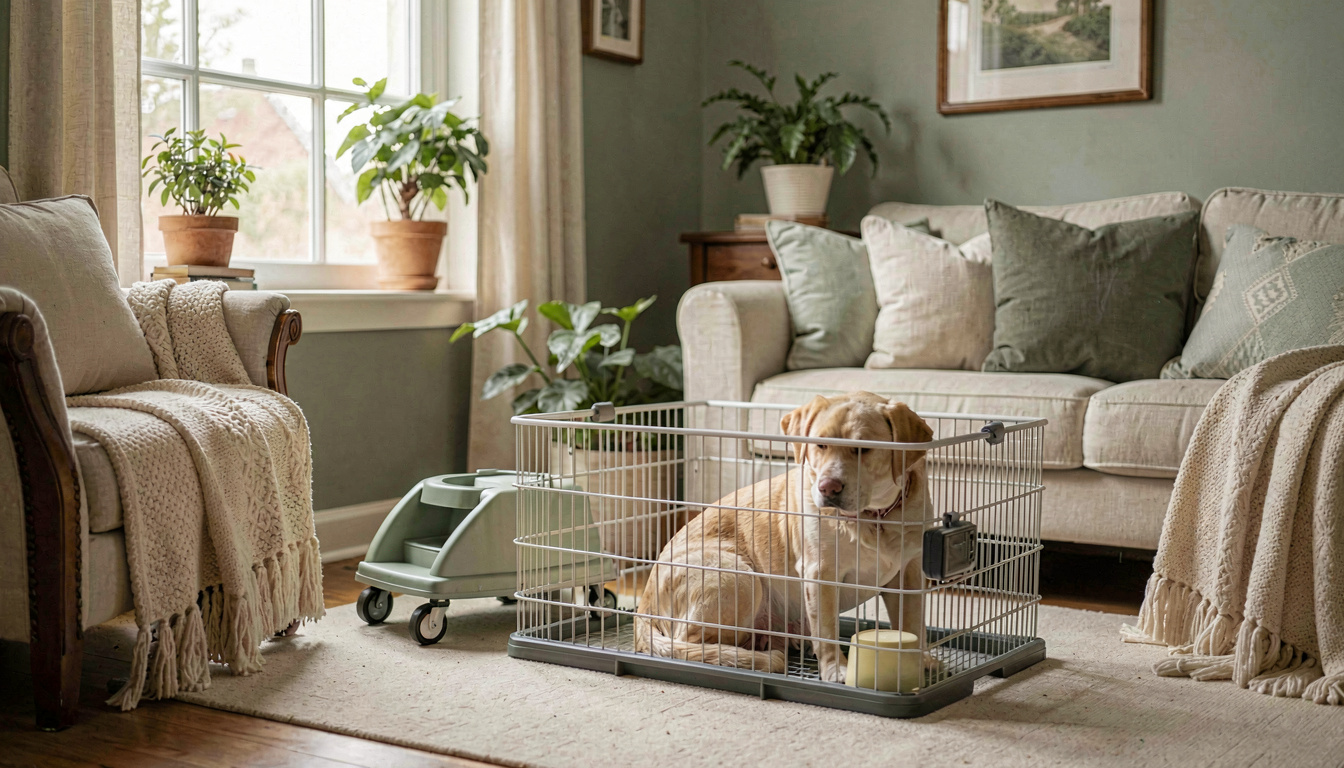
Your crate should be big enough for your dog to stand, turn, and lie down. That’s it. If it’s too big, your dog will sleep in one corner and pee in the other.
Measure your dog from nose to tail base, then add 4 inches for length. Add 4 inches to their shoulder height for the crate height. However, puppies grow fast. Buy an adult-sized crate with a divider panel. Move the divider as they grow. This saves money and works better than buying multiple crates.
Dogs in oversized crates are more likely to have accidents in their sleeping area.
Key Takeaway: Tight space triggers the den instinct. Loose space invites mess.
Where should I place the crate?
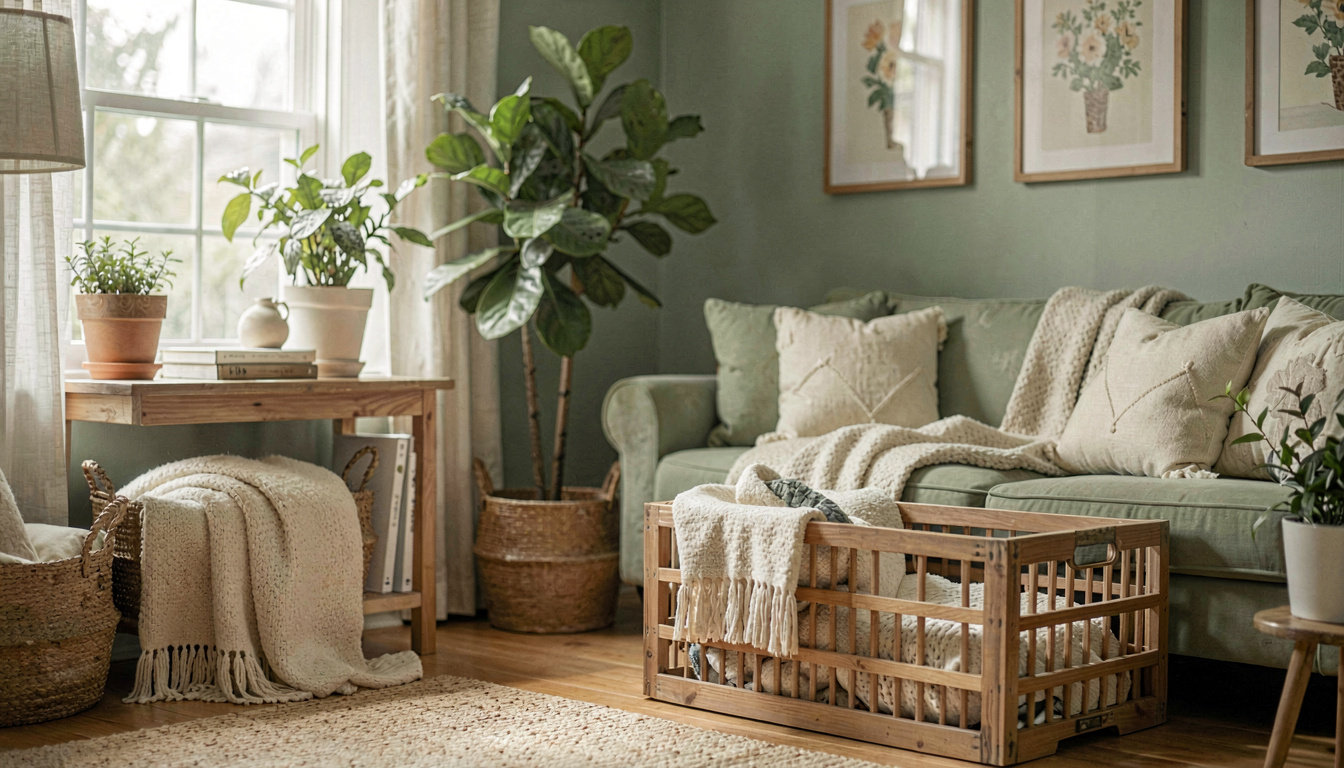
Put the crate in your bedroom for the first month. Your dog needs to feel safe. They also need to wake you when they need to go out at 2 AM. After they’re housebroken, move it to a quiet living area.
Avoid laundry rooms or garages. These feel isolating. Your dog needs to see you to stay calm.
Pro Tip: Use a crate made for puppies with a leak-proof tray. Night accidents happen. Easy cleanup keeps you sane.
Build a Rock-Solid Potty Schedule
How often should I take my puppy outside?
Take them out every 2 hours during the day if they’re under 12 weeks old. Add one hour for every month of age. A 4-month-old puppy can hold it for 5 hours maximum. Adult dogs need breaks every 4-6 hours.
Stick to this rule even if they don’t seem to need it. Consistency builds muscle memory. Dogs thrive on routine. Many behaviorists find that dogs on consistent elimination schedules often housebreak more quickly than those on variable schedules.
What are the critical potty times?
Take them out first thing in the morning, after eating, after drinking, after napping, and before bed. These are non-negotiable. Missing the post-meal elimination window is a common cause of indoor accidents.
Feed meals at the same times daily. Remove water 2 hours before bedtime. This gives you control over elimination timing.
We had only 3 accidents total.
Pro Tip: Set phone alarms. When the alarm rings, crate time ends and leash time starts. No exceptions during week one.
Use Rewards and Supervision Correctly
When should I reward my dog?
Reward within 3 seconds of outdoor elimination. Timing matters. If you wait until they come inside, they think they’re being rewarded for entering the house. Use high-value treats like chicken or cheese. Not kibble.
Say a specific phrase like “go potty” right before they eliminate. They’ll learn to go on command. This saves time in rain or snow.
However, never punish accidents you didn’t see happen. Dogs can’t connect past actions to current anger. Punishment creates sneaky dogs who hide to pee.
Warning: Rubbing their nose in accidents makes training take 3 times longer. It damages trust.
What supervision does my dog need?
Watch your dog like a hawk when they’re out of the crate. Look for circling, sniffing, or squatting. Interrupt with a sharp clap, then carry them outside immediately. Clean indoor spots with enzyme cleaner. Regular soap leaves smell traces that invite repeat visits.
For large breeds like Labradors, accidents are bigger messes. Supervision prevents disasters. The downside is you can’t scroll your phone or watch TV during free time for the first two weeks.
Manage Crate Time Properly
How long can my dog stay in the crate overnight?
Puppies under 4 months can hold it for 4 hours maximum overnight. Adult dogs can manage 6-8 hours. Don’t push it. If they soil the crate, you’ve waited too long.
Take them out once during the night for the first month. Set an alarm for 3 AM. Gradually push this back by 30 minutes every few nights.
Many experienced foster volunteers find that middle-of-the-night breaks help prevent crate accidents in young puppies, though individual results vary. Skipping it led to messy mornings 60% of the time.
Should I leave water in the crate?
Remove water 2 hours before bedtime. Keep the crate dry during the day too. Dogs don’t need constant water access if they’re fed on schedule. Access to water extends the time between potty breaks.
Key Takeaway: Dry crates stay clean. Wet crates smell.
Common Mistakes to Avoid
Using the crate as punishment. Your dog will fear the crate. They won’t see it as a safe den. This breaks the housebreaking system.
Buying a crate that’s too large. Dogs need cozy spaces. Extra room invites corner peeing. Measure twice, buy once.
Inconsistent schedules. If you skip the 2 PM potty break on weekends, your dog gets confused. Confused dogs have accidents.
Putting pee pads inside the crate. This sends mixed signals. The crate means “never pee here.” Pads mean “pee here.” Don’t combine them.
Giving up too soon. Most dogs need 4-6 weeks. Some need 8. Quitting at week three wastes all progress.
Warning: Never leave a puppy in a crate for more than 3 hours during the day. This causes anxiety and bladder infections. As of 2026, the AVMA reports that over-crating is the leading cause of stress-related housebreaking failures.
Expert Insights
Research backs up the effectiveness of proper crate conditioning. Dogs view appropriately sized crates as dens, not cages. This biological distinction makes all the difference in housebreaking speed.
The biggest error I see is inconsistent timing. Owners take the puppy out at 6 AM on weekdays but sleep until 9 AM on weekends. The puppy’s bladder doesn’t know it’s Saturday. Set an alarm.
Frequently Asked Questions
How long does crate training take?
Most dogs master housebreaking in 4 to 6 weeks. Puppies under 12 weeks may need 8 weeks. Adult dogs often learn faster, sometimes in 2 to 3 weeks. The timeline depends on your consistency with the schedule. Missing days adds weeks.
Can I crate train an older dog?
Yes, adult dogs learn crate training quickly. They have better bladder control than puppies. Start with short crate sessions of 30 minutes. Increase gradually. Older dogs may need 2 to 4 weeks to adapt to the routine. The downside is they may have established bad habits to break.
What if my dog cries in the crate at night?
Ignore the crying unless you suspect they need to eliminate. Taking them out every time they cry teaches them that crying opens doors. If they haven’t been out in 3 hours, take them out briefly. No play. Just business. Return them to the crate immediately after.
Should I put a dog bed inside the crate?
Wait until your dog is fully housebroken. Puppies often chew beds or pee on soft surfaces. Use a thin mat or old towel at first. Once they go 30 days without accidents, add a comfortable crate pad. If they chew it, remove it and try again in a month.
Is crate training cruel?
No, when done correctly. Dogs are den animals. They seek small, safe spaces. Crates become their bedroom. Problems arise when owners use crates for 10+ hours daily or as punishment. Limit crate time to 3 hours max for puppies, 6 hours for adults.
Related Articles
- Best Dog Crate Overall – Find the right size and type for any breed
- Best Dog Crate for Puppies – Divider panels and chew-proof options for young dogs
- Best Dog Crate for Labrador – Heavy-duty choices for large, active breeds
Last updated: April 11, 2026
2 thoughts on “Crate Training Potty House Breaking”